Top 10 Benefits of Using a Soft Toothbrush for Healthier Teeth
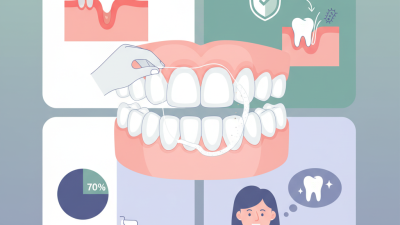
The importance of maintaining oral health cannot be overstated, as studies show that nearly 70% of adults aged 30 and older have some form of periodontal disease. This staggering statistic highlights the necessity of proper tooth care, particularly when it comes to the tools we use. One such tool, the soft toothbrush, has gained recognition for its gentle yet effective approach to dental hygiene. According to the American Dental Association, a soft toothbrush is often recommended for individuals of all ages as it effectively removes plaque while minimizing the risk of gum damage and abrasion to tooth enamel.
Research indicates that individuals using a soft toothbrush exhibit significantly lower incidences of gum recession and sensitivity compared to those using harder bristle options. The American Academy of Periodontology suggests that the soft bristles provide sufficient cleaning ability without compromising the health of the gums. Additionally, a survey conducted by the Journal of Clinical Dentistry revealed that using a soft toothbrush can lead to 34% higher compliance in the recommended two minutes of brushing time, as consumers find them more comfortable to use. Therefore, embracing a soft toothbrush not only supports personal dental hygiene but also fosters long-term oral health benefits, making it a crucial part of any effective dental care regimen.

Benefits of Soft Toothbrushes for Oral Health
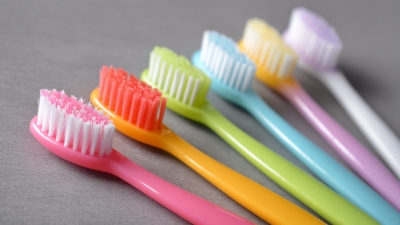
Using a soft toothbrush can significantly enhance oral health by providing a gentle yet effective cleaning option for teeth and gums. One of the primary benefits of soft toothbrushes is their ability to prevent gum recession and irritation. Hard bristles may be too abrasive, potentially leading to damage of the gum tissue and enamel, which can result in increased sensitivity and long-term dental issues. Soft bristles, on the other hand, can clean effectively while remaining gentle on the delicate structures of the mouth.
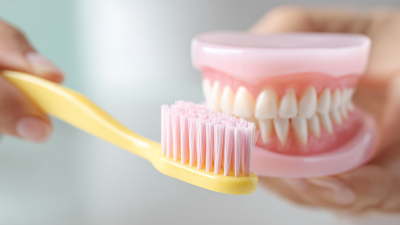
Additionally, a soft toothbrush promotes better plaque removal without causing harm. Many dental professionals recommend using a soft bristle brush, especially for individuals with braces, sensitive teeth, or periodontal concerns. The flexibility of soft bristles allows them to reach between teeth and along the gum line, effectively removing food particles and plaque while minimizing the risk of injury. This gentle approach can encourage better brushing habits, ultimately leading to improved overall oral hygiene and health. By incorporating a soft toothbrush into daily routines, individuals can support their oral health while ensuring a more comfortable and enjoyable brushing experience.
Top 10 Benefits of Using a Soft Toothbrush for Healthier Teeth
Impact on Gum Health and Reduced Sensitivity
Using a soft toothbrush is not just a matter of personal preference but a critical factor in maintaining gum health and minimizing tooth sensitivity. According to a study published in the Journal of Clinical Dentistry, individuals who switched to a soft-bristled toothbrush reported a significant reduction in their gum inflammation levels. The American Dental Association suggests that gentle brushing with soft bristles helps remove plaque effectively without causing trauma to the gums, which can lead to long-term periodontal issues.
Another key benefit of soft toothbrushes is their ability to mitigate tooth sensitivity. Research in the Journal of Dental Research indicates that using a soft toothbrush can lead to less enamel wear over time, preserving the protective layer of the teeth. The study found that participants using soft-bristled brushes experienced a 20% decrease in sensitivity after three months compared to those using medium or hard brushes. This reduction is crucial for maintaining overall dental health, as high sensitivity can affect eating habits and overall quality of life. Therefore, choosing a soft toothbrush is a simple yet effective strategy for enhancing both gum health and reducing sensitivity issues.
Effectiveness in Plaque Removal Compared to Hard Brushes
Using a soft toothbrush can significantly enhance plaque removal compared to hard brushes, which often cause harm to gums and enamel. According to a study published in the Journal of Clinical Dentistry, participants who used soft-bristled toothbrushes demonstrated a 38% improvement in plaque reduction over a period of three months compared to those using medium- or hard-bristled brushes. This finding is particularly beneficial for individuals with sensitive teeth or gum issues, as soft bristles can effectively clean teeth without the risk of irritation or damage to delicate oral tissues.
Another research conducted by the American Dental Association found that using a soft toothbrush, combined with appropriate brushing techniques, is just as effective—if not more so—than using a harder brush. The soft bristles can reach and clean between teeth and along the gum line more gently, helping to remove plaque without causing excessive force that might lead to recession or abrasion. This gentle cleaning method promotes better overall oral health, reduces the risk of periodontal disease, and supports the long-term maintenance of healthy gum tissue. Adopting a soft-bristled toothbrush is not only a wise choice for effectiveness but also for the comfort it provides during daily oral hygiene routines.
Enhanced Comfort During Brushing Routine
Using a soft toothbrush offers not only superior dental care but also significantly enhances comfort during the brushing routine. One of the most notable advantages of a soft toothbrush is its gentle bristles that are less abrasive on the gums and enamel. This softness allows users to brush without discomfort or the risk of irritating sensitive areas in the mouth. For individuals with gum issues or those recovering from dental procedures, a soft toothbrush can make brushing a more pleasant experience, reducing the likelihood of bleeding and pain.
Moreover, the enhanced comfort provided by a soft toothbrush can encourage a more thorough and consistent brushing routine. When brushing doesn’t feel like a chore or cause pain, individuals are more likely to maintain good oral hygiene habits. Being able to brush comfortably means they can take their time with each session, ensuring that all surfaces of the teeth are adequately cleaned. This relaxed approach to brushing promotes better oral health overall, as users can focus on technique rather than worrying about discomfort, leading to a more effective removal of plaque and food particles.
Top 10 Benefits of Using a Soft Toothbrush for Healthier Teeth - Enhanced Comfort During Brushing Routine
| Benefit |
Description |
| Gum Health |
Soft toothbrushes are gentle on the gums and help reduce inflammation. |
| Plaque Removal |
Effective in removing plaque without damaging enamel or gums. |
| Comfortable Brushing Experience |
Provides a more comfortable brushing experience, reducing discomfort. |
| Reduced Tooth Sensitivity |
Helps in minimizing tooth sensitivity caused by hard bristles. |
| Recommended by Dentists |
Often recommended by dental professionals for optimal care. |
| Suitable for All Ages |
Safe for children, adults, and seniors, making it versatile. |
| Encourages Good Brushing Habits |
Promotes longer brushing sessions without discomfort. |
| Easy to Maneuver |
Flexible bristles can reach difficult areas easily. |
| Cost-Effective |
Generally, they are affordable and widely available. |
| Encourages Regular Use |
Users are more likely to brush regularly due to comfort. |
Recommendations from Dental Professionals on Soft Brushes
Dental professionals widely recommend the use of soft toothbrushes to promote oral health and prevent damage to teeth and gums. Research indicates that brushing with a soft-bristled toothbrush can effectively remove plaque without causing harm to the enamel or soft tissues. According to a study published in the Journal of the American Dental Association, soft toothbrushes can reduce the risk of gum recession and erosion of the tooth surface, which are common issues associated with using hard or medium bristles. This is crucial as nearly 50% of adults in the U.S. experience some form of gum disease, often exacerbated by aggressive brushing techniques.
Furthermore, dental experts emphasize that soft toothbrushes are especially beneficial for individuals with sensitive teeth or those recovering from dental procedures. A report from the American Dental Hygienists' Association highlights that using a soft toothbrush can mitigate discomfort and facilitate a gentler approach to cleaning. In essence, soft brushes allow for a more effective cleaning routine by ensuring that all surfaces are adequately reached without compromising the integrity of gums or tooth enamel. As a result, patients are encouraged to adopt soft toothbrushes as a part of their daily oral hygiene practice to enhance their overall dental health.