Oral health is a crucial aspect of overall well-being, and one often overlooked tool in maintaining it is the tongue scraper. Dr. John Smith, a leading expert in oral hygiene, emphasizes the importance of this simple yet effective device, stating, "A tongue scraper can significantly reduce bacteria in the mouth, leading to improved breath and overall oral health." In recent years, awareness of the advantages of using a tongue scraper has been growing, as more individuals seek effective methods to enhance their daily oral care routines.
The benefits of incorporating a tongue scraper into your hygiene regimen are numerous and impactful. From reducing bad breath to preventing oral diseases, the advantages extend beyond mere aesthetics. By effectively removing the buildup of bacteria and food particles from the surface of the tongue, a tongue scraper not only promotes fresher breath but also contributes to healthier gums and teeth. As we delve deeper into the top ten benefits of using a tongue scraper, it becomes evident that this small tool can lead to substantial improvements in oral health, making it an essential addition to everyone’s dental care toolkit.

Maintaining optimal oral hygiene goes beyond regular brushing and flossing; tongue scraping plays a crucial role in a comprehensive dental care routine. The surface of the tongue can harbor bacteria, food particles, and dead cells, leading to bad breath and an increased risk of oral diseases. By incorporating tongue scraping into your daily hygiene practices, you can promote a cleaner mouth and fresher breath, enhancing your overall health.
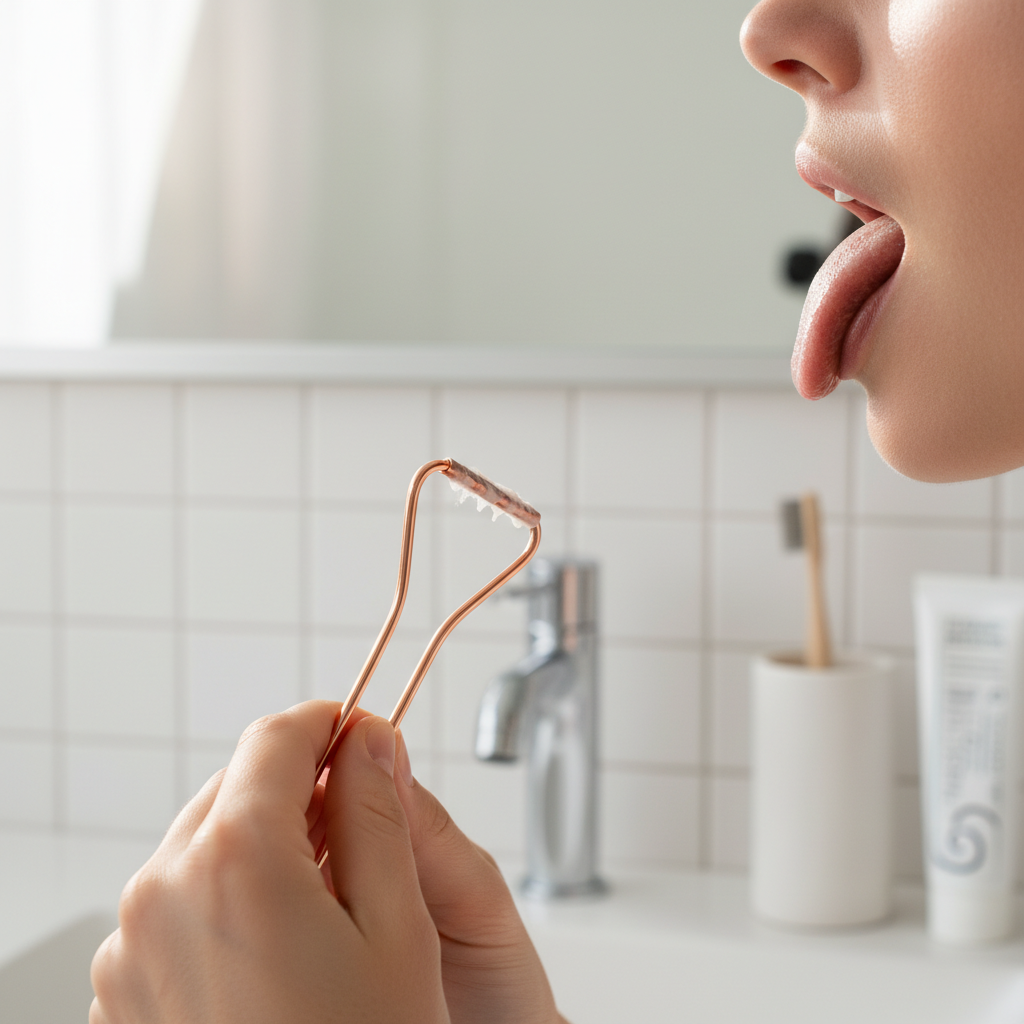
Tip: Choose a tongue scraper made of stainless steel or silicone for effective cleaning. Gently run the scraper from the back of your tongue to the tip in a sweeping motion, rinsing it after each use to remove debris. Regular scraping can significantly reduce the levels of harmful bacteria in your mouth.
Additionally, tongue scraping is simple and takes minimal time, allowing it to fit effortlessly into your morning routine. You can even create a habit by pairing it with brushing your teeth or rinsing with mouthwash, ensuring that you don’t skip this essential step.
Tip: Remember to clean your tongue scraper regularly or replace it every few months to maintain optimal hygiene and effectiveness. This small addition to your oral care routine will contribute significantly to your long-term dental health.
Tongue bacteria play a significant role in the development of bad breath and various oral diseases. Studies indicate that the surface of the tongue can host millions of bacteria, including volatile sulfur compounds (VSCs), which are primarily responsible for halitosis. Research published in the *Journal of Clinical Periodontology* shows that over 80% of individuals with bad breath have a bacterial imbalance on their tongues, leading to the proliferation of harmful microbes. This imbalance can also contribute to plaque buildup, gingivitis, and periodontal diseases, highlighting the importance of maintaining proper oral hygiene.
Using a tongue scraper regularly can effectively reduce the bacterial load on the tongue's surface, thereby improving overall oral health and freshness of breath. According to a study in the *Journal of Dental Research*, individuals who incorporated tongue scraping into their oral hygiene routine experienced a 30% reduction in bad breath compared to those who did not. By removing food particles, dead cells, and harmful bacteria, tongue scraping can lead to a more balanced oral microbiome, reducing the risk of associated diseases and promoting fresher breath. Thus, integrating this simple tool can make a significant difference in maintaining optimal oral health.
Tongue scraping is a simple yet effective practice that can significantly enhance oral health and freshen breath. To maximize these benefits, it's important to adhere to a recommended frequency and adopt proper techniques. Most dental professionals suggest incorporating tongue scraping into your daily oral hygiene routine, ideally first thing in the morning before brushing your teeth. This helps remove the buildup of bacteria and food particles accumulated overnight, reducing the risk of bad breath and promoting overall oral cleanliness.
When it comes to technique, choosing the right tool is essential. Look for a tongue scraper made of stainless steel or plastic, designed to gently scrape the surface of your tongue without causing damage. Begin at the back of the tongue and apply light pressure as you pull the scraper forward towards the tip. Rinse the scraper after each pass to eliminate any debris collected. Repeat this process two to three times, ensuring you cover the entire surface of the tongue. By integrating tongue scraping into your daily routine with consistency and care, you'll notice a remarkable improvement in your oral health and breath freshness.
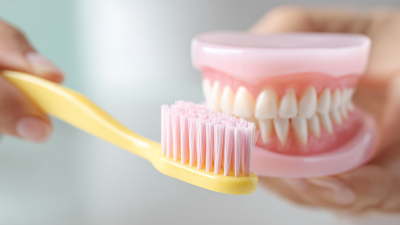
When it comes to maintaining oral hygiene, the choice between tongue scrapers and toothbrushes often sparks debate among dental enthusiasts. While toothbrushes are essential for cleaning teeth and preventing cavities, tongue scrapers have emerged as a powerful tool specifically designed to tackle the often-overlooked surface of the tongue. Research indicates that using a tongue scraper can effectively reduce the presence of volatile sulfur compounds (VSCs), which are responsible for bad breath. In contrast, toothbrushes, while useful, may not adequately reach the back of the tongue where bacteria tend to accumulate.
The comparative effectiveness of these two tools suggests that incorporating a tongue scraper into a daily oral hygiene routine can significantly enhance breath freshness. A study has shown that tongue scraping, when performed regularly, can lead to a substantial decrease in bacteria on the tongue, outperforming traditional toothbrush techniques that lack the targeted efficiency for tongue cleaning. Therefore, while toothbrushes remain essential for comprehensive oral care, using a tongue scraper is a beneficial addition that focuses specifically on reducing bacteria and promoting overall oral health.
Recent scientific studies have increasingly supported the benefits of tongue scraping as an effective practice for improving oral health and achieving fresh breath. Researchers have found that a significant amount of bacteria, food particles, and dead cells can accumulate on the tongue's surface, leading to bad breath (halitosis) and an increased risk of oral infections. A study published in the Journal of Periodontology highlighted that participants who incorporated tongue scraping into their daily oral hygiene routine experienced a noticeable reduction in volatile sulfur compounds, which are primarily responsible for unpleasant odors.
Furthermore, another research focused on the mechanical aspect of tongue scraping revealed that it effectively removes a considerable amount of debris from the tongue compared to just brushing with a toothbrush. This reinforces the idea that a tongue scraper can reach areas that a toothbrush may miss, promoting overall oral hygiene. Participants who adhered to a regimen that included tongue scraping reported fresher breath and a cleaner mouthfeel, substantiating its role as a crucial component of a comprehensive oral care routine.
| Benefit | Description | Scientific Support |
|---|---|---|
| Improved Breath Freshness | Regular tongue scraping removes bacteria and food particles that contribute to bad breath. | Studies show significant reduction in volatile sulfur compounds after scraping. |
| Enhanced Taste Sensation | Removal of debris from the tongue helps enhance the taste receptor’s ability to detect flavors. | Research indicates improved taste perception following tongue cleaning. |
| Reduced Risk of Oral Infections | Tongue scraping can diminish harmful bacteria levels that contribute to infections. | Clinical studies correlate lower infection rates with regular tongue hygiene. |
| Overall Oral Hygiene | Tongue scraping complements brushing and flossing, leading to better mouth cleanliness. | Studies demonstrate better plaque control with tongue cleaning included in routines. |
| Prevention of Gum Disease | Regular removal of bacteria from the tongue reduces the risk of periodontal issues. | Research shows correlation between tongue hygiene and decreased gum inflammation. |
| Improved Personal Confidence | Users often report feeling more confident due to improved breath and oral hygiene. | Surveys indicate higher self-esteem among individuals who use tongue scrapers. |
| Reduction of Acid Reflux Symptoms | Cleaning the tongue may aid in reducing certain symptoms related to acid reflux. | Some studies suggest an improvement in symptoms with oral care practices. |
| Support for Detoxification | Tongue scraping may aid in the removal of toxins and bacteria from the mouth. | Studies on oral microbiome suggest a benefit from regular scraping. |
| Increased Awareness of Oral Health | Routine tongue scraping raises awareness of overall oral hygiene practices. | Behaviour studies show that users become more engaged in their oral health. |