How to Choose the Best Dental Brush for Your Oral Hygiene Needs?
Choosing the right dental brush is essential for effective oral hygiene. With so many options available, it can be overwhelming. A dental brush is your primary tool for maintaining dental health. Yet, not everyone knows what features to consider.
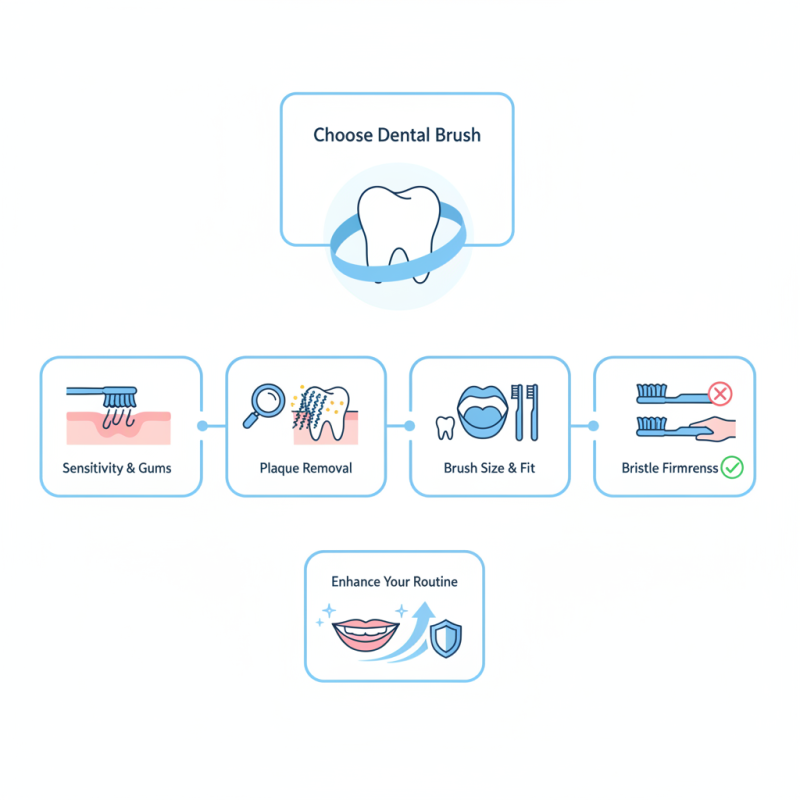
Different brushes serve different needs. Some are designed for sensitive gums. Others focus on plaque removal. Understanding your specific requirements is crucial. Many people overlook the importance of bristle type and brush size. How does it fit in your mouth? Do you feel comfortable while brushing?
Mistakes happen. Many choose a dental brush that is too hard. This can harm your gums. Selecting a brush with the right firmness is key. Reflecting on your brushing habits can offer insights into the best fit. A dental brush should enhance your oral care routine, not complicate it.
Understanding Different Types of Dental Brushes Available in the Market
When selecting a dental brush, various types are available. Manual toothbrushes remain a popular choice. They offer control over pressure and angle. However, many struggle with maintaining the right technique. Electric toothbrushes provide a different experience. They often come with timers and pressure sensors. But some users find them difficult to maneuver in tight spaces.
Tips: Choose a toothbrush with soft bristles. Hard bristles can cause gum damage over time. Consider the size of the brush head. A smaller head can reach challenging areas more easily.
Interdental brushes are another great option. They can clean between teeth effectively. Many people overlook them. Flossing may feel tedious, but it is essential. Regular use of interdental brushes can enhance oral hygiene. While some may find them tricky, they truly make a difference.
Remember that not every brush suits everyone. A tried-and-true model may still not work well for you. Pay attention to how your gums and teeth feel after brushing. It's crucial to find the right fit for your individual needs. Regularly reviewing your choice can lead to better dental health.
Evaluating Bristle Firmness: Soft, Medium, or Hard for Your Teeth
When selecting a dental brush, bristle firmness is crucial. Soft, medium, or hard bristles can impact your oral health. Soft bristles are often recommended. They are gentle on gums. They also remove plaque effectively. Many people prefer this option. It reduces the risk of gum irritation.
Medium bristles offer a middle ground. They provide a bit more scrubbing power. However, they can still cause harm if used too aggressively. Some users find medium bristles do the job well. Yet, they should be cautious. Over-brushing can lead to enamel wear over time.
Hard bristles are not commonly recommended. They can be harsh on gums and teeth. Users may experience discomfort. Some might feel they clean better, but the risks outweigh the benefits. It's important to listen to your body. If it hurts, consider adjusting your choice.
How to Choose the Best Dental Brush for Your Oral Hygiene Needs?
| Bristle Firmness |
Recommended For |
Benefits |
Potential Drawbacks |
| Soft |
Sensitive Teeth, Gum Recession |
Gentle on gums, reduces risk of abrasion |
May not remove plaque as effectively |
| Medium |
General Use |
Balanced cleaning efficiency |
Potentially harsh for sensitive gums |
| Hard |
Sturdy Cleaning Needs |
Effective plaque removal |
Can damage enamel and irritate gums |
Choosing the Right Brush Size for Effective Cleaning of Your Mouth
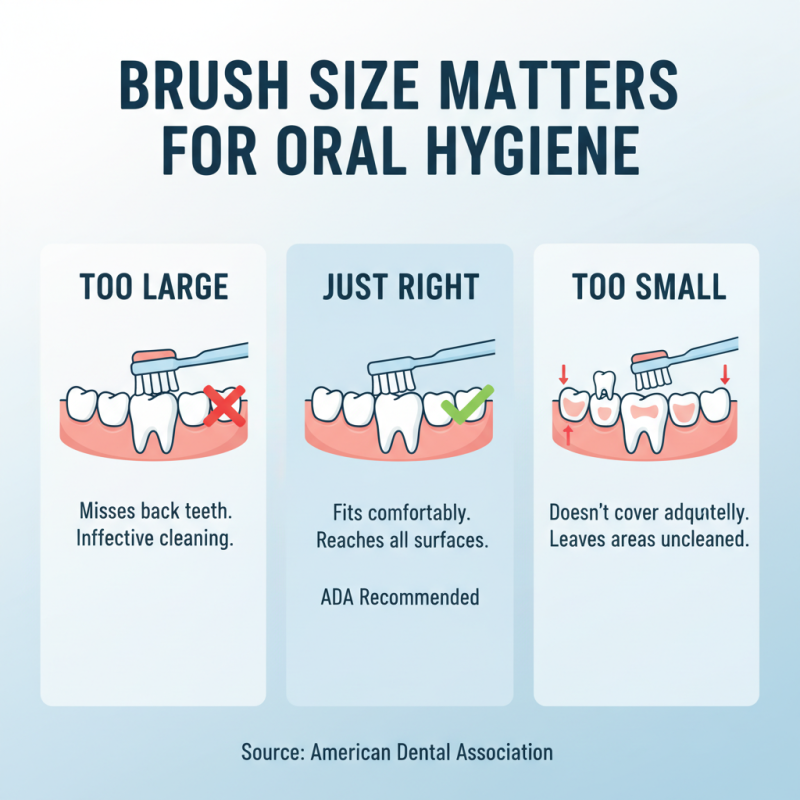
Choosing the right brush size is vital for effective oral hygiene. Studies indicate that improper brush size can leave areas uncleaned. A brush head that is too large may not reach the back molars effectively. According to the American Dental Association, a brush head should ideally fit comfortably in your mouth, allowing access to all surfaces of your teeth.
Many people overlook the importance of brush size. A survey found that nearly 30% of individuals use brushes that are too large for their mouths. This can lead to inadequate cleaning and, potentially, dental problems. Smaller heads allow for better maneuverability and reach. Brushes with smaller heads can effectively clean tight spaces between teeth, promoting better gum health.
It's worth noting that brush size is not one-size-fits-all. Individuals with smaller mouths, such as children, need proportionally smaller brushes. Finding the right fit may require trial and error. If your brush feels uncomfortable or awkward, it might be time to reassess. The goal is to ensure you clean every surface without causing discomfort. Don't dismiss the fighting power of a properly sized brush.
Considering Additional Features: Electric vs. Manual Brushes
When considering dental brushes, the choice between electric and manual options is crucial for optimal oral hygiene. Recent studies show that electric toothbrushes can reduce plaque by 21% and gingivitis by 11% compared to manual brushes after just eight weeks of use. Electric brushes offer consistent brushing motion, which makes it easier to cover all areas of the mouth. However, not all users find them comfortable. Some may prefer the traditional feel of a manual brush.
Electric brushes often come with features like timers and pressure sensors. These tools help ensure users brush for the recommended two minutes and apply the right amount of pressure. Nonetheless, some might find these additional features overwhelming or unnecessary. Manual brushes are generally cheaper and require no charging or batteries. They can be just as effective if used properly, but often people underestimate their technique.
In the end, the decision hinges on personal preference. If comfort and familiarity drive your choice, a manual brush might suit you better. However, those seeking advanced cleaning technology may lean towards electric brushes. Each has advantages and disadvantages that need careful reflection. Remember to choose based on what genuinely fits your lifestyle and keeps your dental health in check.
Comparison of Electric vs. Manual Toothbrushes: Effectiveness in Plaque Reduction
Examining Personal Dental Needs: Special Considerations and Recommendations
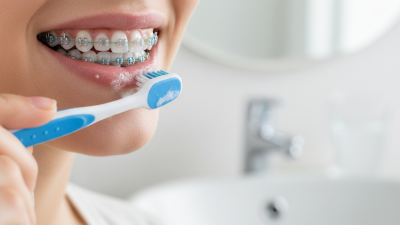
When choosing a dental brush, it’s crucial to examine your personal oral hygiene needs. Everyone has unique requirements. Some may have sensitive gums, while others might have braces or dental work. These factors influence the type of brush that is best for you. A softer bristle brush can be gentler on delicate gums, making brushing more comfortable.
Tips: Always consider your specific conditions when selecting a brush. If you have implants, a nylon bristle brush may be ideal. Those with braces should look for brushes designed to navigate around wires and brackets. Regularly reassess your needs. Sometimes, what worked well last year may not be suitable now.
Additionally, consider the size of the brush head. A smaller head allows for easier access to hard-to-reach areas. However, many people overlook this detail. It’s easy to stick with what you’ve always used. Change can be beneficial, so don’t hesitate to experiment. You might be surprised at how the right size can improve your brushing experience.