How to Use an Interdental Brush Effectively for Better Oral Health?
Maintaining good oral health is essential for overall well-being. One tool that can greatly aid in this process is the interdental brush. This small, yet powerful cleaning device is designed to navigate the tight spaces between teeth. Many people overlook the importance of these spaces, leading to plaque buildup and gum disease.
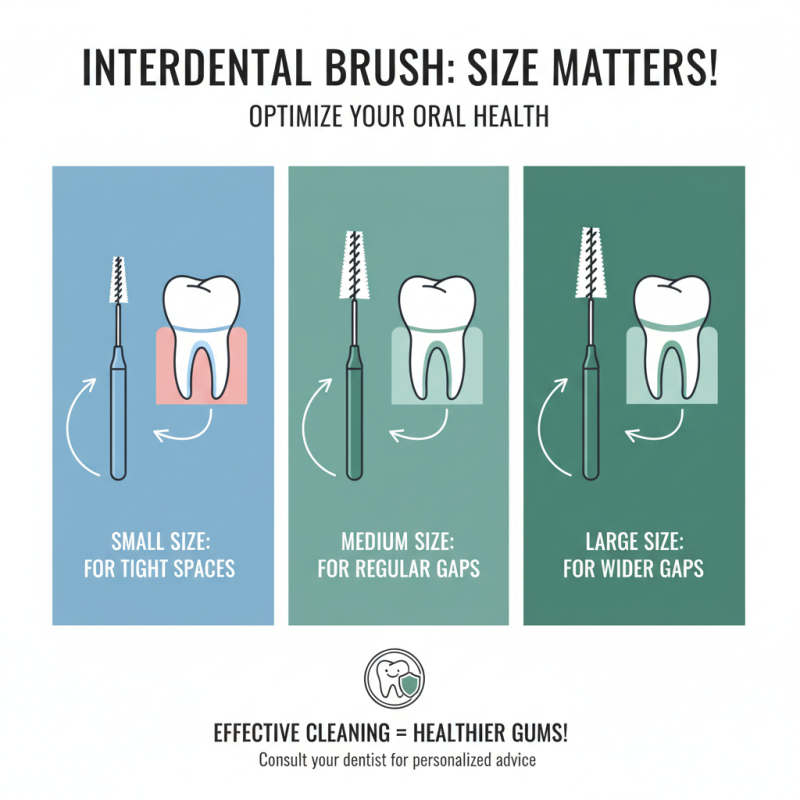
Using an interdental brush effectively may seem simple, but many struggle with the technique. Proper usage can significantly reduce cavities and improve gum health. It’s important to choose the right size of brush for your teeth. A brush that is too large may cause discomfort or bleeding, while one that is too small will not provide an adequate clean.
However, what is not always discussed is the habit of regular use. Many individuals will use the brush inconsistently or give up too soon. Reflecting on our routines can unveil missed opportunities for improvement. Adopting the interdental brush as a daily habit can be transformative. With persistence and the right approach, you can achieve better oral health over time.
Understanding the Importance of Interdental Cleaning for Oral Health
Interdental cleaning is often overlooked in oral hygiene routines. Research indicates that around 80% of dental issues begin in the spaces between teeth. Regular use of interdental brushes can significantly reduce plaque buildup. A study published in the Journal of Clinical Dentistry reveals that using these brushes can lead to a 29% reduction in gingival inflammation.
Neglecting interdental cleaning means leaving food particles and plaque trapped. This can result in cavities and gum disease. Many people forget to clean between their teeth. A survey found that only 37% of adults use interdental aids regularly. It is essential to make this a priority to achieve better oral health. Small habits can lead to substantial changes over time.
Interdental brushes are effective tools to enhance this practice. They come in various sizes, which allows for a more tailored approach. However, finding the right size may take time. Some may struggle with dexterity, making it challenging to navigate tighter spaces. Experimenting with different sizes allows individuals to find what works best for them.
Step-by-Step Guide to Using an Interdental Brush Effectively
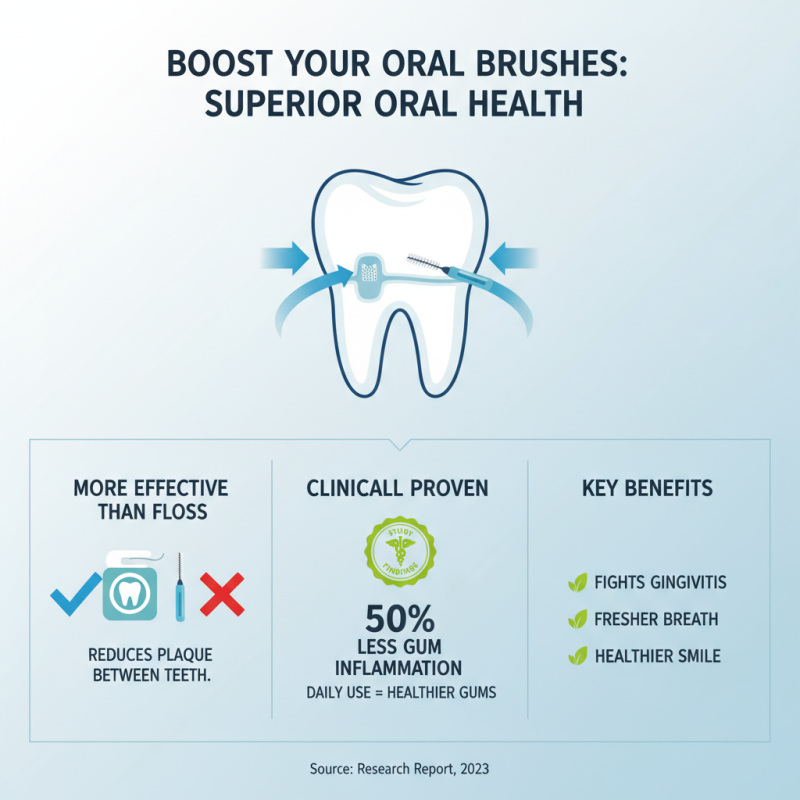
Using an interdental brush can significantly improve your oral health. Many studies indicate that these brushes are more effective than dental floss at reducing plaque between teeth. One report states that using interdental brushes daily can lower gum inflammation by 50%.
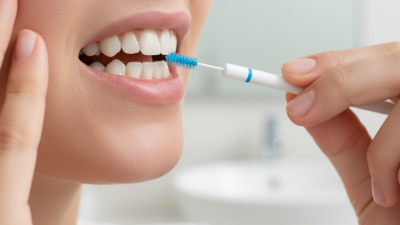
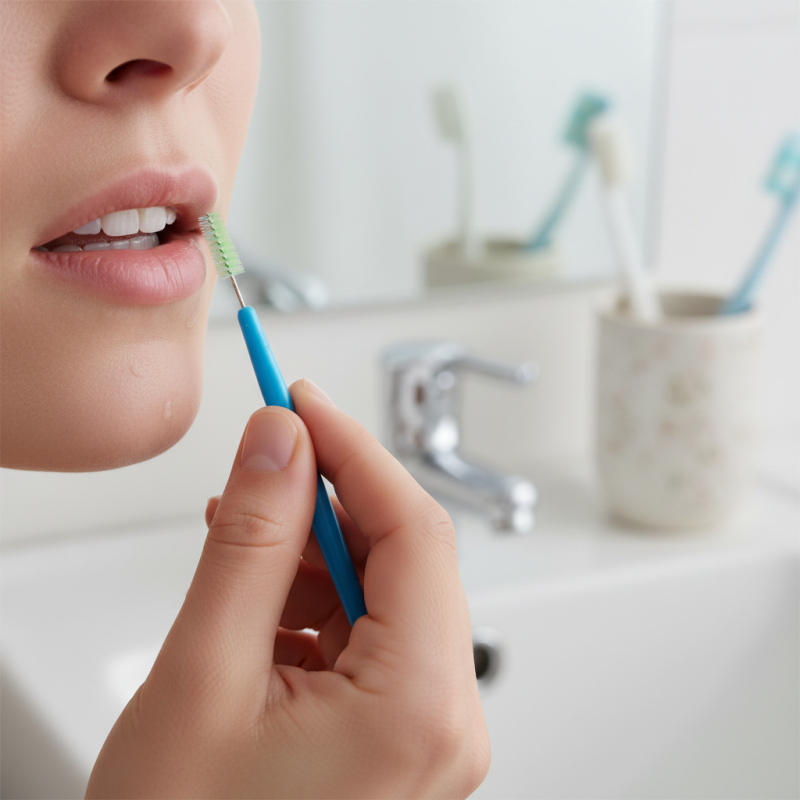
To start, choose the correct size of the interdental brush. It should fit snugly in the space between your teeth without causing discomfort. Gently insert the brush between your teeth and move it back and forth. Avoid using excessive force, as it can damage your gums. After using the brush, rinse it with water to keep it clean.
**Tips:** Make it a habit. Use the interdental brush once daily. Find a time that works best for you, whether in the morning or before bed.
Don’t forget to replace your interdental brush regularly. A worn-out brush can be less effective. Some people might find this challenging. It is easy to overlook this step. However, maintaining the brush's quality is crucial. A fresh brush effectively removes plaque and reduces bacteria.
Common Mistakes to Avoid While Using Interdental Brushes
Using interdental brushes can greatly improve oral health. However, many people make mistakes that diminish their effectiveness. A common error is incorrect sizing. The brush must fit snugly between teeth. If it’s too small, plaque won't be removed. If it’s too large, it can cause injury to the gums. A 2020 study found that 40% of users choose the wrong size.
Another mistake is insufficient cleaning technique. Many individuals rush through the process. Effective use means gently inserting the brush and moving it back and forth. This action disrupts plaque and food particles. Moreover, don’t forget to clean both sides of each gap. Research shows that this method can reduce gum bleeding by 30% over time.
Finally, some users neglect maintenance of the brushes themselves. Interdental brushes should be replaced regularly. A worn brush loses its effectiveness. The American Dental Association suggests swapping them out every few weeks. Awareness of these pitfalls can lead to better results and enhanced oral health. Each small adjustment makes a significant difference.
Maintaining and Care for Your Interdental Brushes for Longevity
Cleaning your interdental brushes properly can extend their lifespan significantly. After each use, rinse them under warm water to remove debris. This simple step prevents bacteria buildup. Inspect the brushes regularly for signs of wear or fraying. If they look worn, it’s time to replace them. It’s easy to forget about maintaining these tools, but doing so enhances your oral health.
Store your interdental brushes in a dry place. Moist environments encourage mold growth, which is not ideal for oral health. Consider using a case designed for storage. This helps keep the brushes clean between uses. Remember, neglecting care could lead you to use dirty brushes. This may cause more harm than good. Take a moment to reflect. Are you caring for your tools as well as you could? Balancing convenience and hygiene is key.