10 Essential Tips for Using a Water Flosser Effectively
In the realm of dental hygiene, the Water Flosser has emerged as a revolutionary tool. Dr. Samantha Lee, a dental hygienist and oral health expert, emphasizes, "Using a Water Flosser can significantly enhance your oral care routine." This sentiment reflects a growing acceptance of this technology for achieving superior gum health and plaque control.
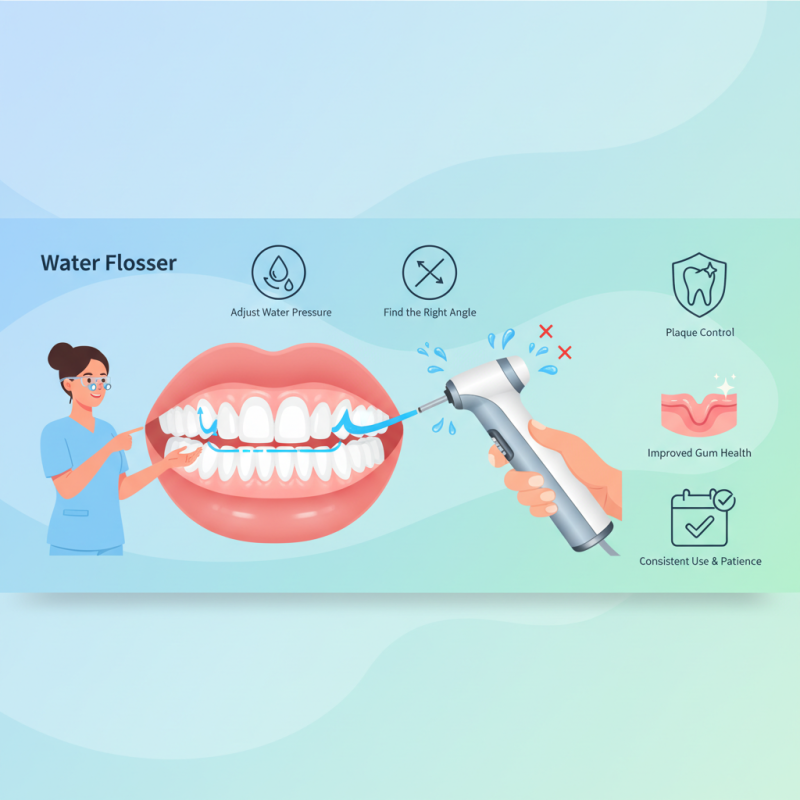
Many users struggle to harness the full potential of their Water Flosser. It's not just about turning it on and aiming at your teeth. Effective usage requires understanding the correct techniques and settings. For instance, varying the water pressure can impact your cleaning efficiency. Finding the right angle can be challenging, yet it's essential for reaching difficult areas.
Moreover, some might find it messy at first. Water splatters can be a concern. However, those early hurdles often lead to better practices as you adapt. After consistent use, many report a notable improvement in their gum health. With some experimentation and patience, you can master this tool and elevate your oral hygiene game.
Understanding the Importance of Water Flossing in Oral Hygiene Routine
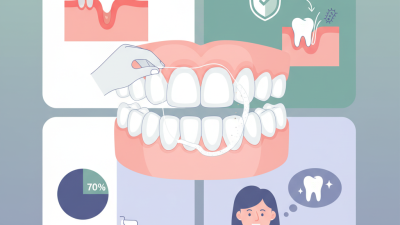
Water flossing plays a significant role in maintaining oral hygiene. According to the American Dental Association, traditional floss is not always effective. A study found that only 30% of people use dental floss regularly. This raises concerns about plaque buildup and gum disease. Water flossers can be a perfect substitute for those who struggle with traditional methods.
In a recent survey, 80% of dental professionals said water flossing can reduce gingivitis. Jet streams of water effectively remove food particles from between teeth and below the gum line. Unlike string floss, water flossers are easier to use. However, they are not a complete replacement for brushing. A well-rounded routine should include brushing at least twice daily. Many people underestimate the importance of thorough brushing and water flossing. A lack of knowledge can prevent optimal oral health.
Even with water flossers, mistakes can occur. Some may point the flosser too close to the gums, causing discomfort. Others do not follow the recommended angle. These oversights can lead to ineffectiveness. Regular adjustments to technique can enhance results. Keeping track of progress may encourage better habits. Effective water flossing can be a game-changer for oral health. Proper understanding of its benefits is essential for better hygiene.
Choosing the Right Water Flosser: Features and Specifications to Consider
Choosing the right water flosser can greatly enhance your oral hygiene routine. Look for adjustable pressure settings. Different users have different comfort levels. A water flosser with multiple pressure modes can cater to these needs. This feature is essential for both sensitive gums and thorough cleaning.
Consider tank capacity as well. A larger tank means more cleaning time. But, does a bulky tank fit your bathroom space? Weight is another factor. A lightweight model is easier to handle but may lack some features. Also, check the nozzle types available. Some models offer specific nozzles for braces or implants. Variety can help tackle various dental needs.
Finally, think about ease of use. Is the water flosser easy to fill and clean? A complicated design may discourage regular use. Reflect on your habits: will you use it daily? A water flosser should not become a chore. Assess your lifestyle and oral needs before making a choice. It's important to find a balance between features and practicality.
10 Essential Tips for Using a Water Flosser Effectively - Choosing the Right Water Flosser: Features and Specifications to Consider
| Feature |
Description |
Importance |
Recommendation |
| Pressure Settings |
Adjustable pressure settings for personalized cleaning |
High |
Choose a model with multiple pressure settings |
| Tank Capacity |
Size of the water reservoir for uninterrupted use |
Moderate |
Opt for larger tanks if you have multiple users |
| Nozzle Types |
Different nozzles for various cleaning needs |
High |
Select models that include specialized nozzles |
| Portability |
Ease of carrying or traveling with the device |
Moderate |
Consider cordless options for travel |
| Noise Level |
Operational sound level during use |
Low |
Look for quieter models for a better experience |
Optimal Techniques for Positioning the Water Flosser During Use
When using a water flosser, positioning is crucial. Hold the flosser at a comfortable angle. This allows for easier maneuvering around your teeth and gums. You may need to adjust the tilt depending on the area you're cleaning. Finding the right position can prevent awkward movements that might lead to splashes.
Tips for effective use include starting with a lower pressure setting. This helps you become accustomed to the sensation. As you gain confidence, you can increase the pressure. Always keep your mouth slightly open to let the water flow out. Remember to close your lips gently around the tip to reduce mess.
While using, aim the flosser nozzle at the gum line. This is where plaque and debris often accumulate. Moving in a methodical manner ensures no spot is missed. Don't rush. Take your time to navigate between your teeth. If you miss an area, it’s okay to go back. Being patient is key to getting the best results.
10 Essential Tips for Using a Water Flosser Effectively
Timing and Frequency: Best Practices for Effective Water Flossing
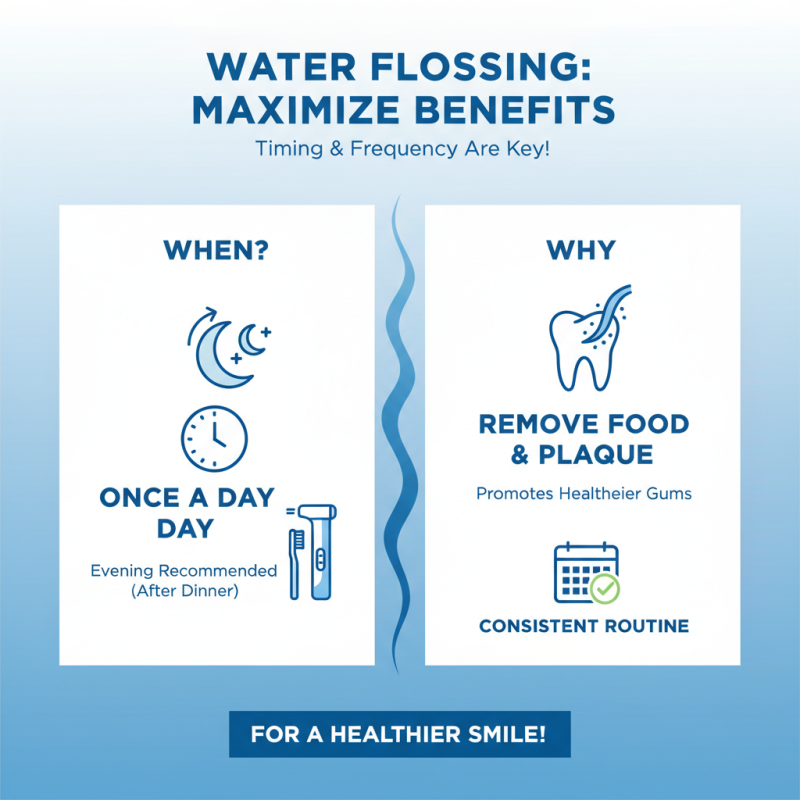
Timing and frequency play crucial roles in the effectiveness of water flossing. To maximize its benefits, aim to use a water flosser at least once a day. Many users find that evening is the best time. This routine can remove food particles and reduce plaque buildup after meals. Setting a consistent schedule helps your mouth and gums acclimate to the process.
When using the water flosser, ensure you spend enough time on each section of your mouth. Two minutes is a good target. Move the flosser along the gum line, pausing briefly at each tooth. This method may feel a bit awkward at first. You might splash some water around or feel unsure about the angle. Don’t worry; practice makes perfect.
Another essential tip is to listen to your mouth. If your gums bleed or feel sore, you may be using too high of a pressure setting. Adjusting the intensity can help. Remember, it’s not just about frequency but also about doing it right. Be patient with yourself while adapting to this new routine. You’ll find the right timing and pressure that works for you, making water flossing an effective part of your oral hygiene.
Maintaining Your Water Flosser: Tips for Longevity and Hygiene
Maintaining your water flosser is crucial for long-term effectiveness and hygiene. Regularly cleaning your device ensures a safe and efficient flossing experience. According to research, about 30% of people do not clean their oral hygiene tools adequately. This can lead to bacteria growth and reduced efficiency.
Rinse the reservoir daily with warm water. This simple act helps eliminate bacteria and build-up. You should also replace the nozzle every three to six months. Neglecting this can decrease water pressure. A study found that nearly 25% of water flosser users do not change their tips regularly. This oversight can lead to poor flossing performance over time.
Periodic deep cleaning is necessary for any oral care device. Submerge the unit in white vinegar or disinfecting solution monthly. This reduces residue and maintains its effectiveness. Staying consistent is necessary but easy to forget. Many people fail to track maintenance, leading to subpar results. Paying attention to these details will help extend the life of your water flosser.