How to Use Dental Floss Properly for Optimal Oral Health
Dental health is a critical component of overall well-being, and the importance of proper oral hygiene practices cannot be overstated. According to the American Dental Association (ADA), nearly 70% of Americans admit to not using dental floss daily, which directly correlates with the prevalence of gum diseases and tooth decay. The use of Dental Floss is recognized as an essential practice in maintaining oral health by removing food particles and plaque from areas that toothbrushes cannot reach. A comprehensive report by the Centers for Disease Control and Prevention highlights that regular flossing can reduce the risk of gum disease by up to 40%.
Dr. Jane Smith, a renowned expert in oral hygiene and a dentist with over 20 years of experience, emphasizes the significance of proper flossing techniques. She asserts, "Using Dental Floss incorrectly can lead to ineffective cleaning and even harm your gums. It's not just about the act of flossing, but how you do it that really matters." This underscores the necessity for individuals to be educated about the right methods of using Dental Floss to ensure they are maximizing its benefits for optimal oral health. As we delve into the proper techniques for using Dental Floss, understanding its role and importance will empower you to take charge of your dental hygiene effectively.
Understanding the Importance of Dental Floss in Oral Hygiene
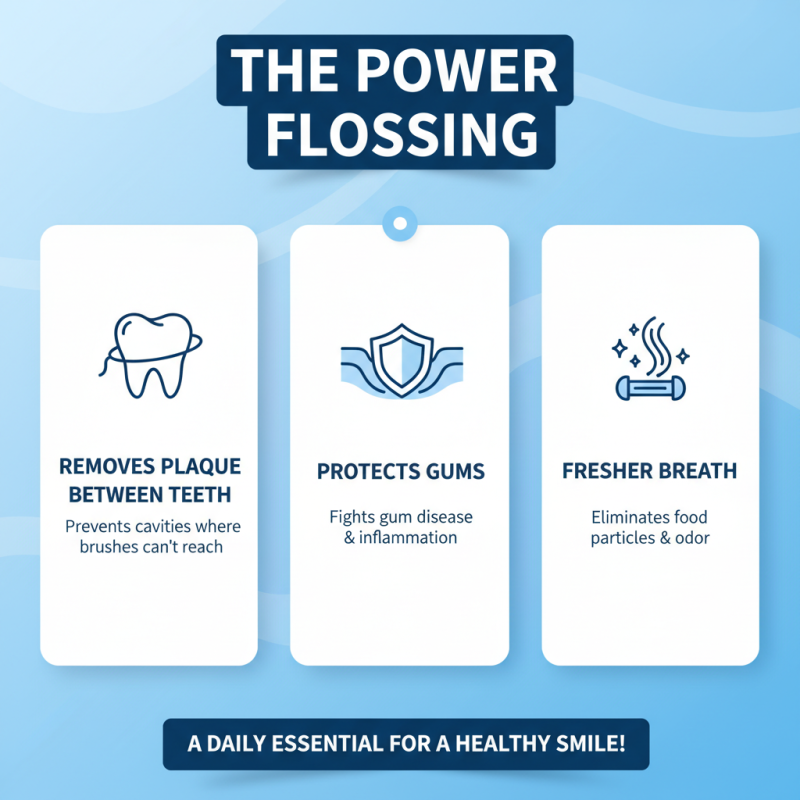
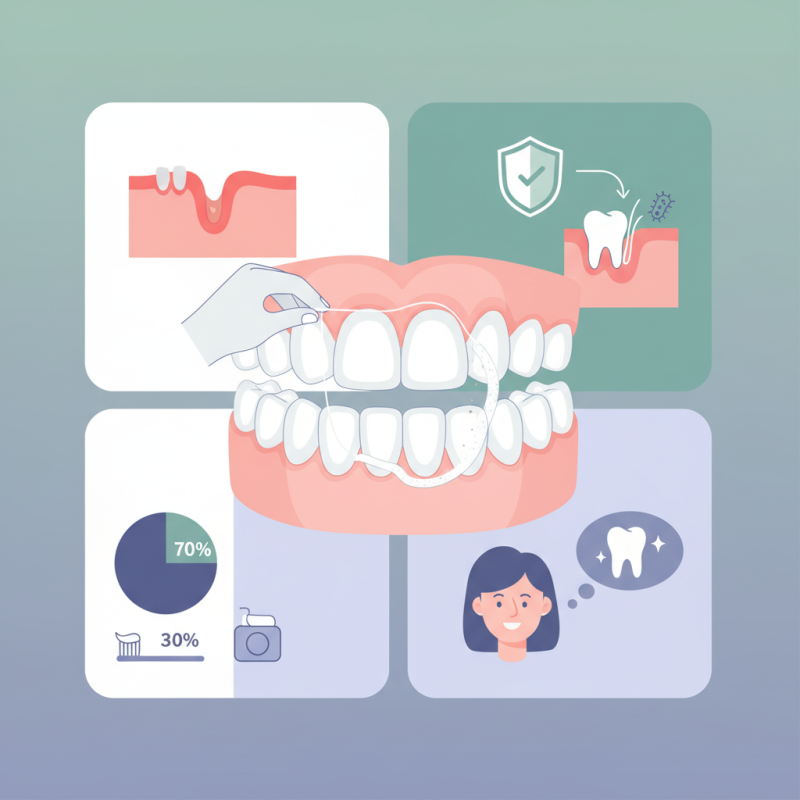
Dental floss is an essential tool in maintaining optimal oral health, acting as a vital complement to brushing. While brushing removes plaque from the surfaces of the teeth, flossing is specifically designed to clean the tight spaces between teeth and along the gum line, areas that a toothbrush often misses. Regular use of dental floss helps in preventing cavities and gum disease by effectively removing food particles and plaque, which can lead to inflammation and tooth decay if allowed to accumulate.
Incorporating dental floss into a daily oral hygiene routine can significantly enhance overall dental health. The act of flossing promotes healthier gums by reducing the likelihood of gingivitis, a common form of gum disease. Additionally, the removal of plaque through flossing can also help prevent bad breath, giving users a fresher mouth feel. By understanding the importance of dental floss and utilizing it correctly, individuals can take proactive steps towards achieving and maintaining a brighter smile and better oral hygiene.
Choosing the Right Type of Dental Floss for Your Needs
When selecting the right type of dental floss, it’s essential to consider your unique oral health needs. There are various types of dental floss available, each designed to address specific issues like tight spaces between teeth or sensitivity. For those with wider gaps, a thicker, waxed floss may glide easily between teeth without shredding. Conversely, individuals with tighter spacing can benefit from unwaxed floss, which is thinner and may fit more comfortably in constricted areas.
Moreover, flavored flosses can enhance the experience of flossing, making it more appealing, especially for children or those reluctant to maintain their oral hygiene routine. It’s also crucial to consider specialized floss products, such as those designed for braces or implants, which can effectively clean around dental work without causing damage.
Ultimately, understanding your dental needs can help you choose the most effective type of dental floss, promoting a healthier mouth and supporting overall oral hygiene.
Step-by-Step Guide to Proper Dental Flossing Technique
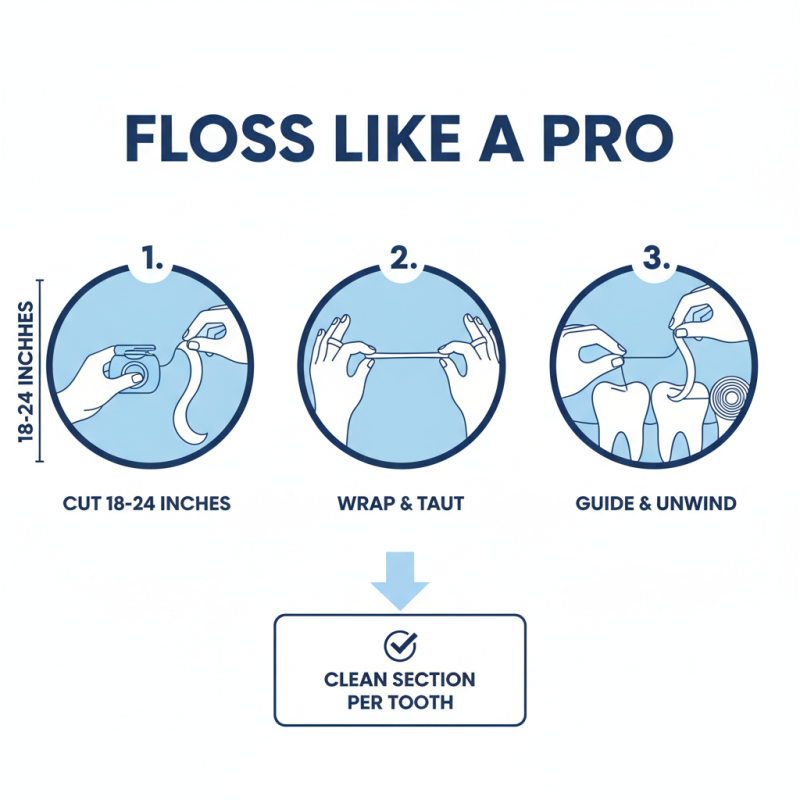
To use dental floss properly, begin by cutting a piece of floss about 18 to 24 inches long. Wrap the ends around your middle fingers, leaving a few inches of floss between them. This helps you maintain control while allowing you to use a clean section of floss as you move from tooth to tooth. Hold the floss taut between your thumbs and forefingers.
Next, gently slide the floss between your teeth using a sawing motion. Avoid snapping or forcing the floss, as this can damage your gums. Once the floss reaches the gum line, curve it around the base of each tooth in a C-shape to ensure effective cleaning of both sides. Move the floss up and down against the tooth surface to remove plaque and food particles. Repeat this technique for each tooth, using a fresh section of floss as needed. This step-by-step process will help improve your oral health by minimizing plaque buildup and preventing gum disease.
Common Mistakes to Avoid While Using Dental Floss
Using dental floss is a vital part of maintaining oral health, but many people make common mistakes that can reduce its effectiveness. One significant error is using too little floss. A piece of floss should be roughly 18 inches long, allowing enough material to wrap around your fingers and give you a firm grip. This length provides you the ability to use a clean segment of floss for each tooth, preventing the transfer of plaque and bacteria from one space to another.
Another mistake involves incorrect technique. Many individuals saw the floss back and forth between their teeth, which can cause gum irritation. Instead, gently slide the floss between the teeth and curve it around each tooth in a C-shape. This method helps to effectively remove food particles and plaque from the sides of the teeth and beneath the gum line. Additionally, some people neglect to floss regularly. Flossing should be part of your daily oral hygiene routine, ideally done once a day, to ensure that you effectively remove debris from your mouth.
How to Use Dental Floss Properly for Optimal Oral Health - Common Mistakes to Avoid While Using Dental Floss
| Mistake |
Description |
Tips for Avoidance |
| Using Too Much Floss |
Using excessive lengths of floss can waste material and be inefficient. |
Use about 18 inches of floss for effective cleaning. |
| Flossing Too Aggressively |
Aggressive flossing can injure gums and cause bleeding. |
Use a gentle sawing motion and avoid snapping floss between teeth. |
| Neglecting Back Teeth |
Many people forget to floss their back teeth which can lead to decay. |
Ensure you reach the back teeth and maintain a consistent flossing routine. |
| Flossing Once a Week |
Flossing infrequently diminishes its benefits for oral health. |
Floss daily to remove plaque and prevent gum disease. |
| Using Worn-Out Floss |
Worn-out floss is less effective and can fray. |
Change to a fresh section of floss each time you floss. |
Tips for Maintaining Consistency in Flossing Your Teeth
Maintaining a consistent flossing routine is essential for optimal oral health. To integrate flossing into your daily regimen, start by setting a specific time each day. Whether it’s in the morning or before bed, finding a routine that works for you will help establish the habit. Additionally, consider keeping your dental floss in a visible place, such as next to your toothbrush, to serve as a reminder to floss.
Another effective tip is to track your flossing with a calendar or an app. By marking off days when you floss, you'll create a visual representation of your progress, which can motivate you to stick with it. Involve your family members by making flossing a shared activity; this not only fosters accountability but also encourages children to develop good dental hygiene habits early on. Setting small, achievable goals can also reinforce your commitment, helping you to view flossing not just as a chore, but as an integral part of your oral care routine.
Flossing Frequency for Optimal Oral Health
This chart illustrates the recommended frequency of flossing for maintaining optimal oral health. Consistent flossing helps prevent gum disease and cavities by removing food particles and plaque from areas that a toothbrush cannot reach.