How to Use a Tongue Scraper for Better Oral Hygiene and Fresh Breath
Maintaining optimal oral hygiene is essential for overall health and confidence, and one often-overlooked tool in achieving this is the Tongue Scraper. While most individuals focus on brushing and flossing their teeth, the surface of the tongue can harbor harmful bacteria, food particles, and dead cells that contribute to bad breath and other oral health issues. By incorporating a Tongue Scraper into your daily routine, you can effectively enhance your oral hygiene practices and promote fresh breath.
Using a Tongue Scraper is a simple yet impactful addition to your oral care regimen. It involves gently sweeping the scraper across the surface of your tongue, removing debris and bacteria that brushing alone may miss. This practice not only improves breath freshness but also supports better overall oral health by reducing the risk of plaque buildup and oral infections. In the following sections, we will explore the benefits of using a Tongue Scraper, the proper techniques for use, and tips for integrating this habit seamlessly into your daily routine. Embrace the power of the Tongue Scraper, and take a significant step towards a healthier mouth and brighter smile.

Understanding the Benefits of Using a Tongue Scraper
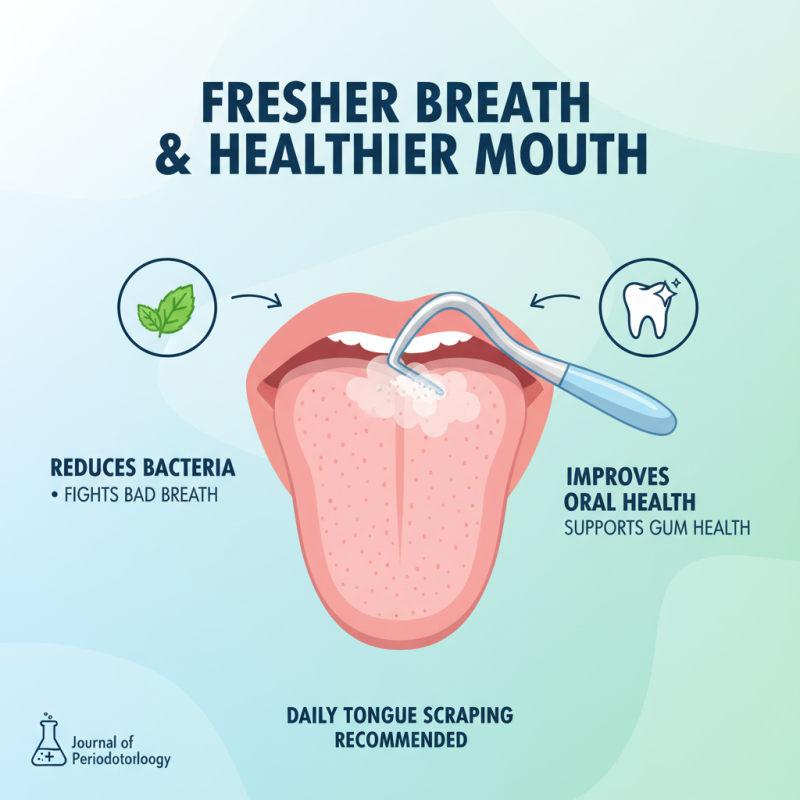
Using a tongue scraper can significantly enhance your oral hygiene and contribute to fresher breath. The surface of the tongue is filled with papillae, which can trap bacteria, food particles, and dead cells. According to a study published in the Journal of Periodontology, using a tongue scraper can reduce bacteria levels in the mouth and decrease the risk of periodontal diseases. Regular scraping can help in maintaining the natural balance of bacteria in the mouth, leading to improved overall oral health.
One of the key benefits of using a tongue scraper is its ability to remove compounds that cause bad breath. The American Dental Association notes that over 90% of halitosis cases originate from the mouth, with the tongue being a common source. By incorporating tongue scraping into your daily routine, you can effectively reduce volatile sulfur compounds that contribute to unpleasant odors. In fact, research shows that individuals who practice tongue scraping may notice a significant reduction in bad breath within just a few days.
Tips for effective tongue scraping include using a gentle motion from the back of the tongue to the tip, repeating several times while rinsing the scraper between uses. It’s recommended to perform this after brushing your teeth, as it helps to clear out residual particles and enhances the overall cleanliness of your mouth. Additionally, make it a habit to clean your tongue daily for optimal results. With consistent use, you can enjoy a healthier mouth and improved confidence in your breath.
Choosing the Right Type of Tongue Scraper for Your Needs
When it comes to selecting the right tongue scraper for your oral hygiene routine, it's essential to consider materials, design, and your personal preferences. Research indicates that tongue scraping can reduce bacteria in the mouth by up to 50%, significantly enhancing overall oral health and freshness (American Dental Association, 2021). Tongue scrapers are primarily made from stainless steel, plastic, or copper, each with its own benefits. Stainless steel gently removes debris and bacteria while being easy to clean and long-lasting. In contrast, plastic scrapers tend to be lighter and more affordable but may not be as durable or effective in the long run.
The design of the tongue scraper is also crucial. Options range from straight designs to curved shapes that better conform to the tongue's surface. A study published in the Journal of Periodontology showed that users preferred curved designs as they offered a more effective scraping action without causing discomfort. Additionally, those with sensitive gag reflexes may find narrower scrapers easier to use. Ultimately, the right choice for you will depend on your comfort level and specific oral health needs, which can be determined by consulting with a dental professional. By finding the right type of tongue scraper, you can significantly contribute to improved oral hygiene and fresher breath.
Step-by-Step Guide to Properly Use a Tongue Scraper
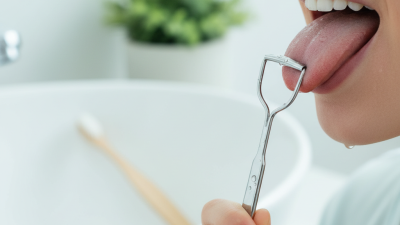
Using a tongue scraper is a simple yet effective way to enhance oral hygiene and promote fresh breath. To begin, make sure your tongue scraper is clean. Rinse it with warm water before use to eliminate any bacteria. Next, stick out your tongue as far as comfortable, allowing for a clear view of the surface. Starting from the back of the tongue, gently place the scraper on the tongue and pull it forward towards the tip. Use light pressure to avoid irritation, and perform the scraping motion a few times until you've covered the entire tongue surface.
After scraping, rinse the tongue scraper thoroughly under warm water to remove any debris. It's a good practice to follow up by rinsing your mouth with water or mouthwash to remove any loosened particles. Lastly, repeat the scraping process at least once a day, preferably in the morning before brushing your teeth, to maintain a fresh and clean mouth. Incorporating this step into your daily routine can greatly improve your overall oral health and confidence in your breath.
Maintaining Your Tongue Scraper for Optimal Hygiene
Maintaining your tongue scraper is essential for ensuring optimal hygiene and promoting overall oral health. After each use, it's crucial to rinse the scraper thoroughly under warm water to remove any debris, bacteria, or food particles that may have accumulated during scraping. This simple act not only keeps the device clean but also prevents the transfer of harmful bacteria back into your mouth during subsequent uses. Additionally, consider soaking the scraper in a mild antibacterial solution occasionally to give it a deeper clean, ensuring that it remains free of germs.
Periodically inspecting your tongue scraper for wear and tear is equally important. Over time, the scraping edge may become dull or damaged, which can lead to ineffective cleaning or even injury to the tongue. If you notice any signs of wear, it’s advisable to replace the scraper to maintain effective oral hygiene. Proper storage is also vital; keep your tongue scraper in a clean, dry place to limit exposure to bacteria and moisture that can lead to contamination. By taking these simple steps, you can maximize the benefits of your tongue scraper and enjoy fresher breath and improved oral hygiene.
Incorporating Tongue Scraping into Your Daily Oral Care Routine
Incorporating tongue scraping into your daily oral care routine is a simple yet effective way to enhance your overall oral hygiene. The first step is to choose the right time for tongue scraping—ideally, you should do it in the morning before brushing your teeth. This allows you to remove the buildup of bacteria and debris that accumulates overnight, setting a fresh tone for the day. Gently use the scraper from the back of your tongue to the front, applying moderate pressure to avoid discomfort.
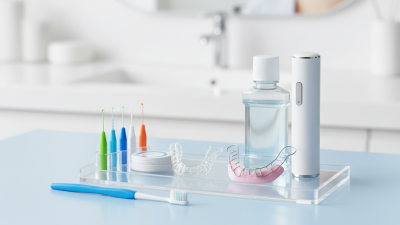
To make tongue scraping a seamless part of your routine, consider keeping the scraper in your bathroom right next to your toothbrush. After brushing your teeth and flossing, take a moment to scrape your tongue. This not only helps eliminate bad breath but also promotes a healthier oral environment by reducing the risk of plaque buildup. Additionally, maintaining a consistent routine will enhance your awareness of oral hygiene, making it easier to spot any changes in your mouth that may require professional attention. By taking just a few extra moments each day for this practice, you can significantly improve your oral health and enjoy fresher breath throughout the day.