How to Use a Tongue Scraper for Oral Hygiene and Fresh Breath
The importance of oral hygiene cannot be overstated, and one essential tool that often gets overlooked in dental care routines is the tongue scraper. According to Dr. Jennifer Adams, a leading expert in dental health and hygiene, "Incorporating a tongue scraper into your daily routine can significantly enhance your oral hygiene and contribute to fresher breath." This statement highlights the crucial role that a tongue scraper plays not only in oral cleanliness but also in improving overall mouth health.
Using a tongue scraper effectively can help remove bacteria, debris, and dead cells that accumulate on the surface of the tongue, which can lead to bad breath and other oral health issues. Many people underestimate the importance of maintaining a clean tongue; however, studies have shown that a significant amount of oral bacteria resides on the tongue. By integrating a tongue scraper into your daily dental hygiene routine, you can elevate your oral care practice and ensure that your breath remains fresh throughout the day.
In this article, we'll explore the benefits of using a tongue scraper, the proper technique for its use, and tips for choosing the right scraper for your needs. With insights from experts and practical guidance, we aim to empower you to take control of your oral hygiene, ensuring you enjoy the benefits of a clean and healthy mouth.
Understanding the Importance of Tongue Scraping in Oral Hygiene
Tongue scraping is an often-overlooked aspect of oral hygiene that plays a crucial role in maintaining fresh breath and overall mouth health. The surface of the tongue can harbor bacteria, food particles, and dead cells, which contribute to bad breath and other oral issues. By incorporating tongue scraping into your daily routine, you can effectively reduce the buildup of harmful substances and promote a cleaner, healthier mouth.
Tips for effective tongue scraping include using a dedicated tongue scraper rather than a toothbrush, as the design of a scraper can better reach the surface of the tongue. Make sure to start from the back and gently scrape forward, rinsing the scraper under water after each pass to remove residue. It's recommended to scrape your tongue once a day, preferably in the morning before brushing your teeth, to maximize freshness throughout the day.
Additionally, remember to maintain cleanliness. Regularly clean your tongue scraper with soap and water or disinfect it to prevent the transfer of bacteria. Monitor your tongue for any unusual discoloration or texture changes, as these can indicate underlying health issues that may require professional attention. With these simple steps, tongue scraping can significantly enhance your oral hygiene routine, leading to a more pleasant breath and a healthier mouth.
How to Use a Tongue Scraper for Oral Hygiene and Fresh Breath - Understanding the Importance of Tongue Scraping in Oral Hygiene
| Dimension |
Description |
| Frequency of Scraping |
Recommended 2 times a day - morning and night |
| Benefits |
Reduces bacteria, improves taste, freshens breath |
| Recommended Material |
Stainless steel, plastic, or copper |
| Technique |
Start from the back of the tongue and scrape forward |
| Duration |
Each session should last about 10-15 seconds |
| Post-Scraping Care |
Rinse mouth and scraper after use |
| Contraindications |
Avoid if you have a sensitive gag reflex |
| Storage |
Keep in a dry place, clean regularly |
Choosing the Right Tongue Scraper for Your Needs
When it comes to maintaining optimal oral hygiene, selecting the right tongue scraper is crucial. With various options available, it's important to consider factors such as material, design, and ease of use. Stainless steel, plastic, and silicone are common materials, each offering distinct advantages. For instance, stainless steel is durable and easy to clean, while silicone scrapers are gentler and often more comfortable for sensitive tongues.
Additionally, the design of the tongue scraper can greatly impact its effectiveness. Look for options with a curved shape that fits the contours of your tongue, allowing for maximum coverage and efficient scraping. Some models also feature flexible handles for better grip and maneuverability. It's beneficial to choose a scraper that suits your personal preferences and comfort level, as this will encourage regular use and promote better oral hygiene practices. Remember that the right tongue scraper can help reduce bacteria buildup, leading to fresher breath and enhanced overall oral health.
Oral Hygiene: Effectiveness of Tongue Scraping
This bar chart illustrates the effectiveness of tongue scraping in improving various aspects of oral hygiene such as breath freshness, plaque reduction, taste sensitivity, and overall oral hygiene, rated on a scale from 1 to 10.
Step-by-Step Guide to Proper Tongue Scraping Technique

Using a tongue scraper is an effective way to enhance oral hygiene and promote fresh breath. To achieve optimal results, it’s essential to follow a proper technique. Begin by selecting a tongue scraper made of stainless steel, plastic, or silicone—materials that are smooth and easy to clean. Before use, ensure your mouth is well-hydrated; a dry tongue can be more difficult to scrape effectively.
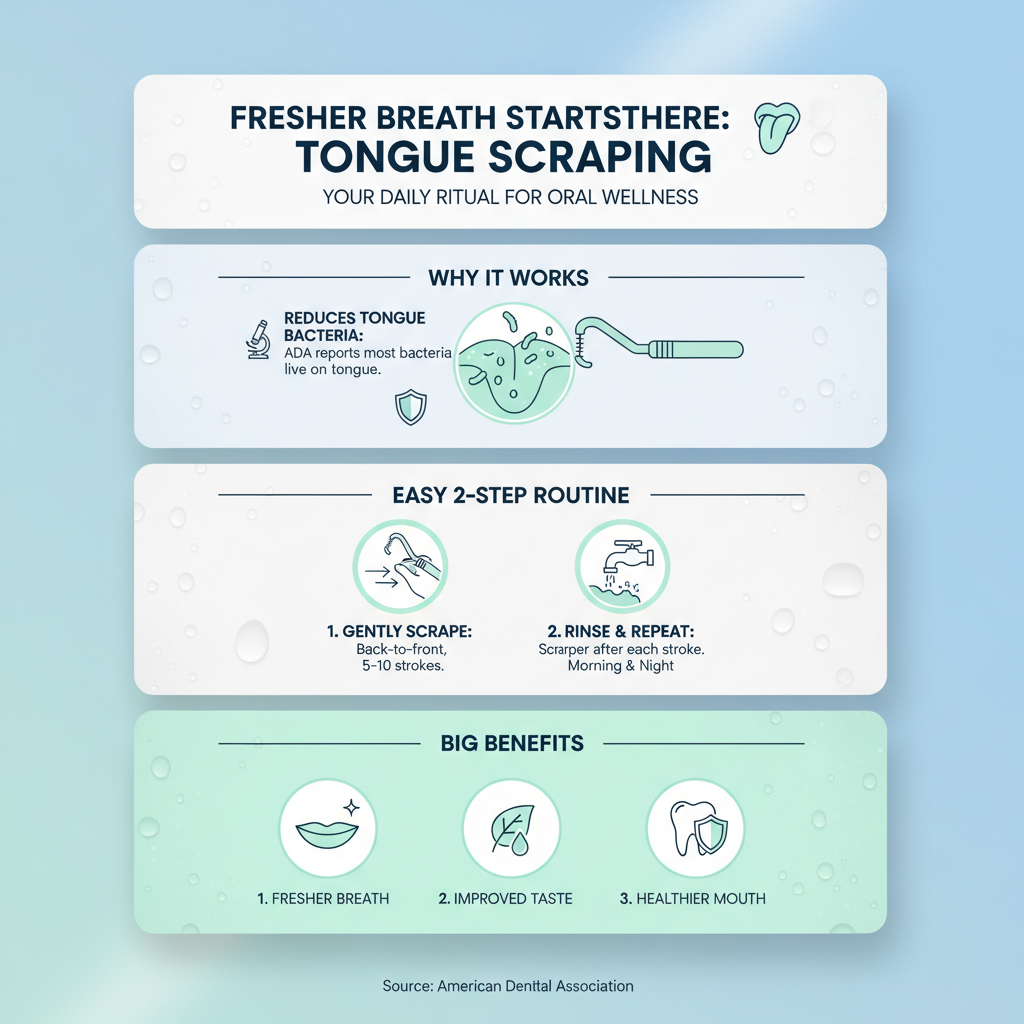
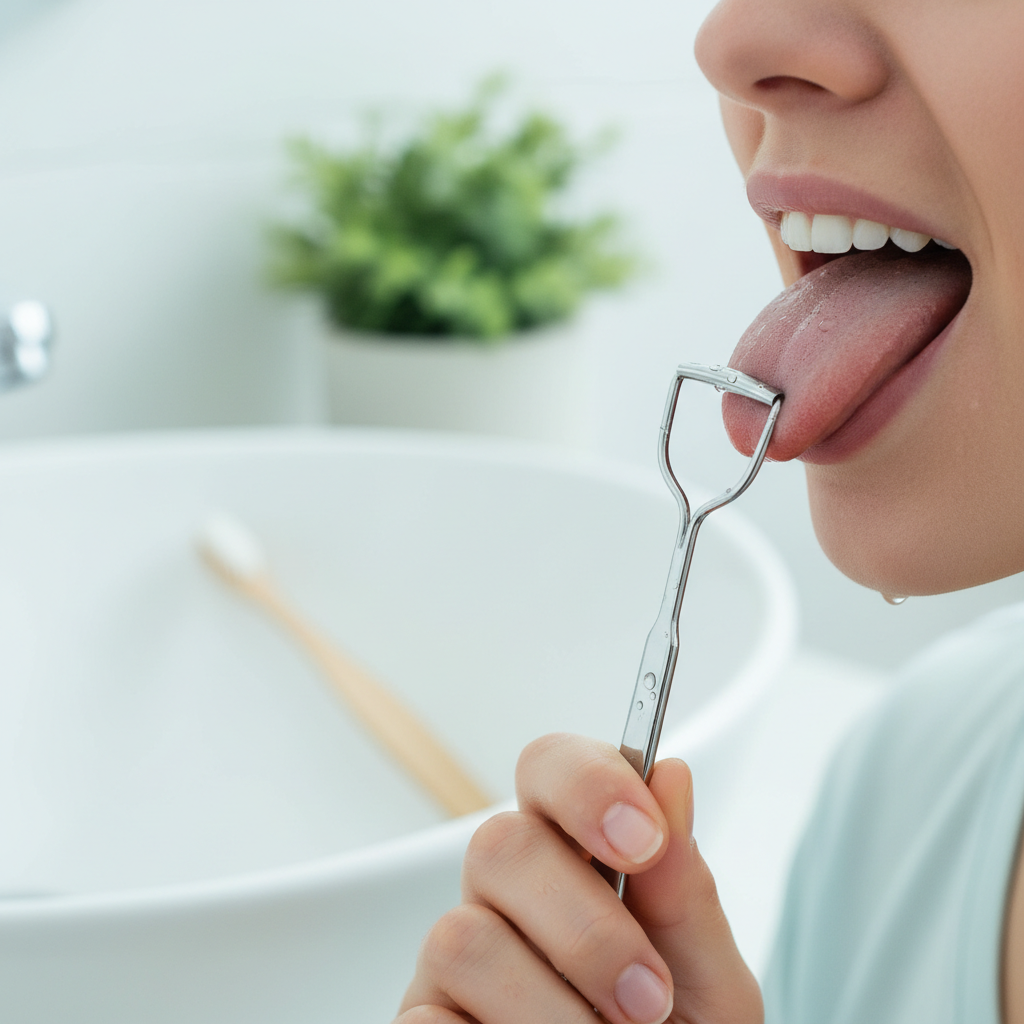
To start the scraping process, stick out your tongue as far as comfortable. Place the tongue scraper at the back of your tongue and apply gentle pressure as you move it forward, towards the tip. This motion helps to remove the buildup of bacteria, food particles, and dead cells. Rinse the scraper after each stroke to clear away the debris you’ve collected. Repeat this action several times, covering the entire surface of your tongue, but be careful not to press too hard to avoid any discomfort. After scraping, rinse your mouth thoroughly and clean the scraper with warm water. Incorporating this practice into your daily oral hygiene routine can significantly enhance freshness and overall oral health.
Best Practices for Maintaining Your Tongue Scraper's Hygiene
Maintaining the hygiene of your tongue scraper is crucial for optimal oral health. Just like any other dental tool, a tongue scraper can harbor bacteria if not cleaned properly. Dentists recommend cleaning your tongue scraper after each use with warm water and mild soap to eliminate any residual bacteria or food particles. Additionally, it’s essential to replace your tongue scraper every three to six months, particularly if you notice any visible wear and tear.
Tips: Use a designated toothbrush to gently scrub the scraper’s surface, ensuring a more thorough clean. Store your tongue scraper in a dry, clean area to prevent bacteria growth. It’s also wise to avoid sharing your scraper with others to minimize the risk of transferring harmful bacteria.
Regular usage of tongue scrapers can significantly improve oral hygiene; studies indicate that daily tongue scraping may reduce bacteria by up to 75%. This practice, rooted in ancient Ayurvedic medicine, has gained popularity in recent years as a viral oral care routine. Dentists emphasize that while tongue scraping can enhance fresh breath and overall mouth cleanliness, maintaining the scraper itself is just as vital to prevent any potential health risks.
Tips for Incorporating Tongue Scraping into Your Daily Routine
Incorporating tongue scraping into your daily routine can significantly enhance your oral hygiene and contribute to fresher breath. The American Dental Association highlights that a significant number of bacteria reside on the surface of the tongue, which can contribute to bad breath and other oral health issues. By adding a tongue scraper to your morning and evening routines, you can effectively reduce these bacteria. Aim to scrape your tongue gently from back to front, rinsing the scraper between strokes to ensure optimal cleanliness.
To make tongue scraping a habit, consider placing your tongue scraper next to your toothbrush as a visual reminder. It’s best to integrate tongue scraping after brushing your teeth, as this can help clear away remaining particles. Research conducted by the Journal of Contemporary Dental Practice found that individuals who practiced tongue scraping experienced up to a 75% reduction in bacteria compared to those who did not. By dedicating just 30 seconds to this simple ritual, you can elevate your oral hygiene, creating a fresher foundation for your overall health.