2026 How to Use an Interdental Brush for Optimal Oral Care
Oral care is essential for maintaining overall health. An Interdental Brush can play a crucial role in this process. Dr. Emily Carter, an oral health expert, emphasizes, "Using an interdental brush can drastically improve your gum health." This statement highlights the importance of proper dental hygiene.
Many people overlook the spaces between their teeth. These areas often trap food and bacteria. An Interdental Brush helps reach those hard-to-clean spots. It can reduce plaque buildup significantly. However, many users struggle with the right technique. They often apply too much pressure or use the wrong size brush. This can lead to discomfort or ineffective cleaning.
Effective oral care requires consistency and knowledge. Understanding how to use the Interdental Brush correctly is vital. It’s not just about having the tool; it’s about using it properly. Regular use can prevent gum disease and cavities. Reflecting on your technique could lead to better results. Proper implementation of these simple tools is key to achieving optimal oral hygiene.

Benefits of Using an Interdental Brush for Gum Health Improvement
Using an interdental brush can significantly improve gum health. These brushes help clean spaces between teeth where regular toothbrushes can't reach. When used consistently, they reduce plaque buildup and lower gum inflammation. Healthy gums mean a lower risk of periodontal disease. This simple tool enhances overall oral care.
Tips for using an interdental brush: Choose the right size for your gaps. A brush that’s too big may hurt your gums. Gently insert the brush between teeth. Avoid forcing it. Regular use helps your gums adapt. Start with once a day, then increase as you get comfortable.
It's important to note some challenges. Not everyone finds it easy to incorporate an interdental brush into their routine. Some may feel awkward at first. If it causes bleeding, you might be too rough. Reflect on your technique and adjust accordingly. Over time, this practice can lead to healthier gums and a more confident smile.
2026 How to Use an Interdental Brush for Optimal Oral Care
| Aspect |
Details |
| Purpose |
To clean between teeth, removing plaque and food particles. |
| Benefits |
Improves gum health, reduces risk of periodontal disease, enhances overall oral hygiene. |
| Usage Frequency |
Recommended once daily, preferably before brushing teeth. |
| Technique |
Gently insert the brush between teeth and move it back and forth. |
| Types |
Available in various sizes to fit different gaps between teeth. |
| Cleaning Tips |
Rinse the brush after use and replace it every 1-2 months. |
| Considerations |
Consult a dentist for proper size and technique recommendations. |
Step-by-Step Guide to Selecting the Right Size Interdental Brush
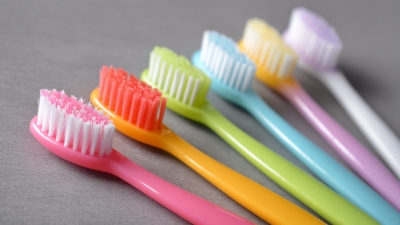
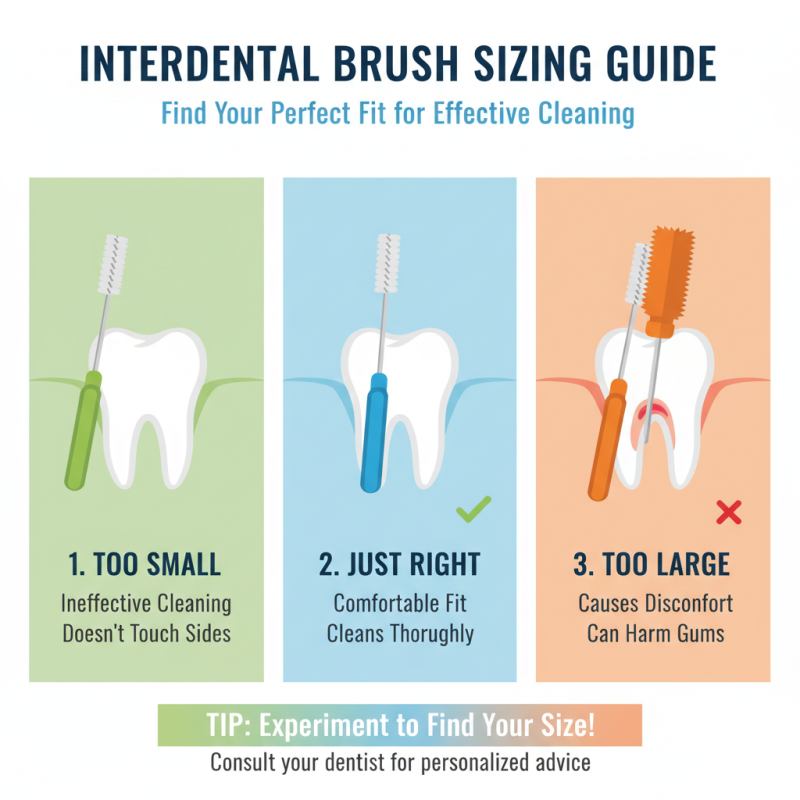
Selecting the right size interdental brush is crucial for effective oral care. These brushes come in various sizes. Choosing the wrong size may lead to discomfort or poor cleaning. Consider the gaps between your teeth when making a decision. If the brush feels too tight, it may cause bleeding. If it’s too loose, it won’t clean appropriately.
To find the perfect size, you can start by using a trial-and-error approach. Purchase a few different sizes. Test each one to see which fits best. The brush should slide comfortably between your teeth without causing pain. Pay attention to how it feels in your hands, too. A brush that’s too large can be difficult to maneuver, while a small one might not provide sufficient cleaning.
Many people overlook this step. They tend to grab whatever brush is available. While it’s tempting, this can lead to ineffective cleaning. Consider your unique dental needs and consult with a dental professional if you’re unsure. Remember, optimal oral care requires thoughtfulness. Your interdental brush should not just be a tool but an essential part of your daily routine.
Frequency and Timing: When to Use Your Interdental Brush for Best Results
Using an interdental brush effectively is crucial for optimal oral health. Many people underestimate the timing and frequency of use. Studies show that 75% of cavities form between teeth. Therefore, using an interdental brush regularly can significantly reduce plaque buildup.
For best results, it is advised to use the interdental brush at least once daily. The ideal time is at night before brushing your teeth. This timing allows you to remove food particles and plaque that can accumulate throughout the day. A report from the American Dental Association highlights that a nightly routine can lead to a 50% reduction in gum disease.
Some individuals may feel overwhelmed by the process. It can be challenging to navigate the various sizes of brushes needed for different gaps. It's not uncommon to forget this step or feel unsure about the proper technique. Experts suggest practicing regularly to improve dexterity and confidence. Remember, consistency is vital for maintaining gum health and preventing dental issues.
Optimal Use of Interdental Brushes for Oral Care
Comparative Effectiveness: Interdental Brushes vs. Dental Floss
When it comes to maintaining oral hygiene, the choice between interdental brushes and dental floss is significant.
Interdental brushes can reach spaces that floss might miss. They provide a more thorough cleaning, especially for wider gaps between teeth. However, some people struggle with using these brushes. Mastering the right angle and pressure takes practice.
It can feel awkward at first, and that’s okay.
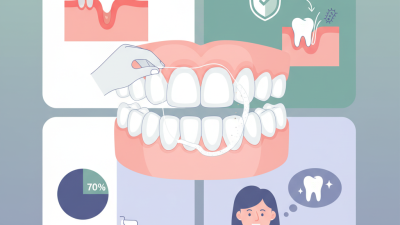
Dental floss has been the traditional go-to for many. It can effectively remove plaque and food particles. Yet, it often cannot provide the same level of cleanliness as an interdental brush.
With floss, users sometimes miss areas because it's difficult to see or access. Many individuals fail to use it consistently, making it less effective over time.
Both tools have their strengths, but the choice ultimately depends on personal preference and comfort. Experimenting with both methods may be necessary. Some may find that using both can actually enhance their oral care routine.
It’s crucial to reflect on what feels best for your mouth.