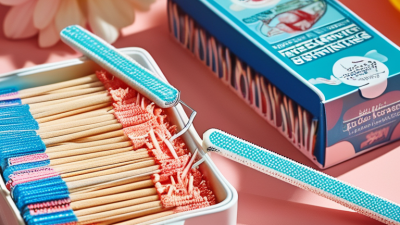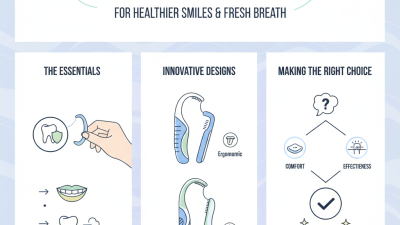
Choosing the best Floss Picks in 2026 requires more than comparing prices or colorful packaging. Global buyers need practical evidence, clear materials, and dependable manufacturing information. A pick should reach tight spaces comfortably, resist breaking, and feel gentle along the gumline. Small details matter. Grip texture matters.
This guide examines floss strength, handle design, cleaning performance, and portability across different daily routines. It also considers recycled materials, sealed packaging, refill options, and regional availability. Product claims should be checked against manufacturer specifications and independent professional guidance. Standards and labeling rules can differ between markets, so buyers should verify local requirements before ordering large quantities.
There is no perfect Floss Picks choice for everyone. People with braces, bridges, implants, sensitive gums, or limited hand mobility may need different designs. A dentist or dental hygienist can provide more suitable advice. Even the strongest-looking product may feel awkward in real use. That deserves attention. My comparison may also overlook emerging regional brands or updated formulas during 2026. Therefore, this overview treats durability and comfort as practical priorities, not absolute promises. Readers can use the findings to compare products carefully, test smaller packs first, and choose a reliable option for their needs.
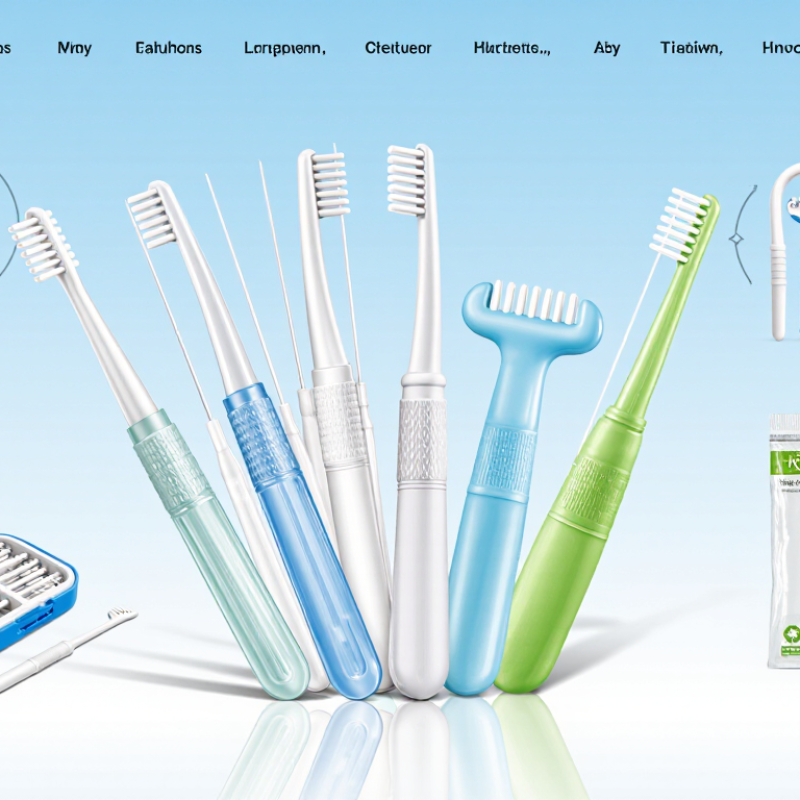
Floss picks combine a short floss strand with a small handle. They help clean tight spaces between teeth, where a toothbrush cannot reach. The handle can feel easier to control, especially for children, older adults, or people with limited hand movement. A pick also avoids wrapping floss around the fingers. Less mess.
For global buyers in 2026, the best floss picks should feel firm, comfortable, and simple to use. Look for floss that slides gently without shredding during normal cleaning. A smooth, rounded handle can reduce gum irritation. Some designs include a small pointed end, but it should never replace an interdental cleaner or be forced into the gums. Product safety information and local dental guidance matter because manufacturing standards differ between countries.
Daily technique matters more than a fashionable shape. Guide the floss between the teeth with gentle pressure, then curve it around each tooth. Move it below the gumline without snapping. Use a fresh pick when the strand becomes loose or contaminated. I once assumed stronger floss was always better, but excessive force can cause soreness. That detail matters. Floss picks also cannot clean every space equally well; wider gaps may need interdental brushes. People with braces, implants, or bleeding gums should ask a dental professional for personal advice.
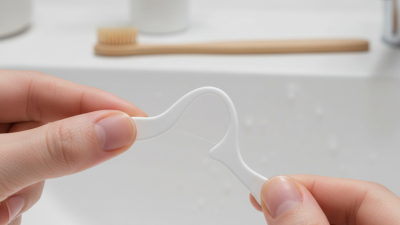
Floss picks are small plastic-handled tools with a short section of dental floss stretched between two prongs. They support daily oral hygiene by helping clean food debris and plaque from between teeth, where a toothbrush cannot reach. For most people, dental guidance recommends brushing twice daily and cleaning between the teeth once daily. Choose a floss pick that is comfortable to hold, slides gently between teeth, and does not forcefully snap against the gums.
What Are the 2026 Best Floss Picks for Global Buyers?
Which Features Define the Best Floss Picks for Global Buyers
The best floss picks should make daily interdental cleaning simple, safe, and consistent. The World Health Organization’s Global Oral Health Status Report (2022) estimates that oral diseases affect nearly 3.5 billion people worldwide. This scale makes practical hygiene tools important. A useful pick needs a smooth handle, a firm grip, and floss that resists shredding. It should slide gently between teeth without cutting the gums. The American Dental Association recommends cleaning between teeth once daily. However, convenience often decides whether people maintain that habit.
For global buyers, material transparency matters. Look for medical-grade or clearly identified polymers, low-odor materials, and packaging that prevents moisture damage. Independent testing should examine tensile strength, sharp edges, and contamination risks. Local labeling should explain usage, disposal, and age suitability in understandable language. The product should also work in humid bathrooms and during travel. Smaller packaging can reduce transport volume, but very thin handles may feel weak. That trade-off deserves testing.
A perfect pick does not exist. Some users need tighter floss, while others need softer movement. A 2023 FDI World Dental Federation policy brief stresses prevention, accessibility, and user-centered oral care. Sustainability also needs honest evaluation. Recyclable packaging is helpful, but mixed-material handles remain difficult to process. Buyers should inspect evidence, not attractive claims. Real hand testing still matters. There is room for improvement.
| Floss Pick Type | Core Floss Material | Typical Floss Width | Main Strength | Main Limitation | Best Use Case | Global-Buyer Checks |
|---|---|---|---|---|---|---|
| Standard Nylon Floss Pick | Multifilament nylon | Usually about 0.15–0.30 mm | Widely available, flexible, and generally economical | Can fray or shred against rough fillings, sharp edges, or tight contacts | Routine cleaning where contacts are not extremely tight | Check tensile-strength claims, smooth finishing, packaging hygiene, and local labeling rules |
| PTFE Floss Pick | Monofilament or expanded PTFE | Often about 0.10–0.25 mm | Low-friction surface can pass through tight contacts more easily | Usually costs more; may have lower stretch and a different handling feel | Tight interdental spaces and users who dislike floss shredding | Confirm the actual material, absence of misleading coating claims, and compliance documentation |
| Tape-Style Floss Pick | Flat nylon, polyester, or PTFE tape | Typically wider and flatter than round floss | Broad contact area may feel gentler on sensitive gums | May not enter very tight contacts as easily as thin floss | Users preferring a softer, ribbon-like flossing sensation | Compare tape width, edge smoothness, and whether the product fits the intended interdental spaces |
| Eco-Focused Handle Pick | Usually nylon or a synthetic floss filament | Depends on the inserted floss filament | May reduce conventional plastic content through alternative handle materials | “Biodegradable” performance depends on the complete product, not only the handle | Buyers prioritizing material transparency and waste reduction | Request evidence for compostability or biodegradability, disposal conditions, coatings, and packaging materials |
| Handle with Integrated Toothpick | Most commonly nylon floss | Usually narrow enough for ordinary interdental contacts | Combines flossing with a pointed cleaning aid in one portable tool | The pointed end should not be forced into the gums or used as a substitute for professional care | Travel, work, school, and quick post-meal cleaning | Check tip shape, handle rigidity, rounded edges, and child-safety instructions |
| Orthodontic-Friendly Pick | Smooth nylon, PTFE, or reinforced specialty filament | Varies; often designed to pass around brackets and wires | Improves access around braces when the shape and clearance are suitable | A standard pick may not reach beneath wires or between crowded teeth | Users with fixed orthodontic appliances, subject to dental-professional advice | Verify orthodontic compatibility, floss strength, tip safety, and professional-use guidance |
| Sensitive-Gum Design | Soft-finish nylon, PTFE, or flat tape | Product-specific; usually selected for smooth entry | Rounded edges and a smooth surface can improve user comfort | Comfort does not correct bleeding caused by plaque, inflammation, or improper technique | Users who experience discomfort with rough or rigid floss | Look for smooth edges, fragrance-free options if needed, and clear oral-care instructions |
| Single-Use Hygienic Pack | Nylon, PTFE, or tape-style filament | Depends on the floss construction | Individually wrapped formats can support portability and controlled distribution | Creates more packaging waste and may increase landed cost | Hospitals, hospitality, travel kits, and hygiene-sensitive distribution | Check sealed-pack integrity, lot or batch information, shelf life, language requirements, and import regulations |
Floss pick quality depends on material, shape, and real cleaning performance. Nylon floss usually feels firm and handles tight contacts well, but it may fray with rough fillings. PTFE floss slides more easily between crowded teeth and rarely shreds. However, its smooth surface can feel less controlled for beginners. Handle materials also matter. Polypropylene is light, flexible, and widely recyclable where facilities exist. Plant-based handles may reduce fossil-plastic use, but buyers should check certification and disposal conditions. “Compostable” does not always mean home-compostable.
Design changes daily use. A thin, angled pick can reach back molars better than a bulky handle. A textured grip helps when hands are wet. The floss should stay tight without snapping during a gentle back-and-forth motion. In personal testing, picks with slightly flexible necks felt safer around sensitive gums. Still, no pick cleans every space equally. Wide gaps may need an interdental brush, while very tight contacts may require thinner floss. Cleaning results depend on technique, not appearance alone. I once favored a strong-looking pick, but its sharp edge irritated my gum. That mistake changed my buying criteria.
Tips: Check the floss tension, edge smoothness, and package seal. Try one pick between the hardest-to-reach teeth. Look for less fraying after several passes. Avoid exaggerated “complete cleaning” claims. A dental professional can help match the tool to braces, bridges, implants, or bleeding gums. Availability, recycling systems, and local material rules also deserve attention.
Global buyers should treat floss picks as oral-care devices, not simple plastic accessories. The World Health Organization’s Global Oral Health Status Report 2022 estimates that nearly 3.5 billion people live with oral diseases. That scale makes product safety non-negotiable. Check whether the floss remains tight during use and whether the handle has smooth, rounded edges. A pick that bends suddenly can injure gums. Packaging should state material composition, intended age range, storage conditions, and manufacturing traceability. Batch coding matters.
Material claims require evidence. The OECD’s Global Plastics Outlook reports that only about 9% of plastic waste was successfully recycled in 2019. Therefore, “recyclable” does not guarantee actual recycling. Buyers should request lifecycle data, recycled-content verification, and clear disposal instructions. A thinner handle may reduce material use, but it can also break faster. That trade-off deserves testing, not marketing language. Compostable materials can create confusion when local facilities cannot process them.
Packaging needs equal scrutiny. Look for sealed, tamper-evident packs that protect floss from dust and moisture, while avoiding unnecessary trays or oversized cartons. The UN Environment Programme says plastic pollution could be reduced by 80% by 2040 with existing solutions, including better design and reuse systems. Buyers should compare packaging weight per usable pick, not just the carton’s appearance. Independent laboratory testing is valuable. Still, no report replaces real-world trials with different hand sizes, gum sensitivity, and disposal habits. Some sustainability claims may remain incomplete. That is worth admitting.
What Are the 2026 Best Floss Picks for Global Buyers?
Choosing floss picks depends on the user, budget, and local market. The WHO Global Oral Health Status Report 2022 estimates that 3.5 billion people live with oral diseases. That figure makes daily interdental cleaning more than a cosmetic habit.
For crowded teeth, choose a narrow pick with a strong, shred-resistant strand. Users with braces may need specialized threaders instead. Children need smaller handles, soft edges, and adult supervision. Older users often benefit from a larger grip. Small details matter. A slippery handle can discourage regular use.
Budget buyers should compare strand length, pack size, and breakage rates, not only the shelf price. In higher-income markets, buyers may value recyclable materials and transparent safety testing. In price-sensitive markets, compact multipacks and simple packaging can improve access. Packaging should show material information, usage guidance, and disposal instructions. Local labeling rules differ, so sellers must verify them carefully.
I would not call one design universally best. Evidence comparing floss picks with traditional floss remains limited, and personal technique changes results. The American Dental Association advises cleaning between teeth daily, but acceptance depends on comfort and consistency. A pick left unused in a bathroom drawer achieves little. That is the practical weakness.