2026 Top Electronic Toothbrush Types You Need to Know?
In recent years, the popularity of the Electronic Toothbrush has surged. Many consumers are looking for effective ways to maintain oral health. With advancements in technology, various types of electronic toothbrushes have emerged. These devices promise superior cleaning and more convenient features.
Understanding the different types of electronic toothbrushes available in 2026 is crucial. Some models focus on deep cleaning, while others enhance gum health. Each design caters to unique needs, and users must choose wisely. Questions often arise about effectiveness and reliability. What works for one person may not suit another. This aspect often leads to confusion.
If you are considering an upgrade, it is essential to know your options. Explore the features that matter most. Some brushes claim to offer 3D cleaning motions. Others emphasize pressure sensors or timers. It’s important to reflect on what you truly need versus the marketing hype. Investing in an electronic toothbrush should be based on informed choices.
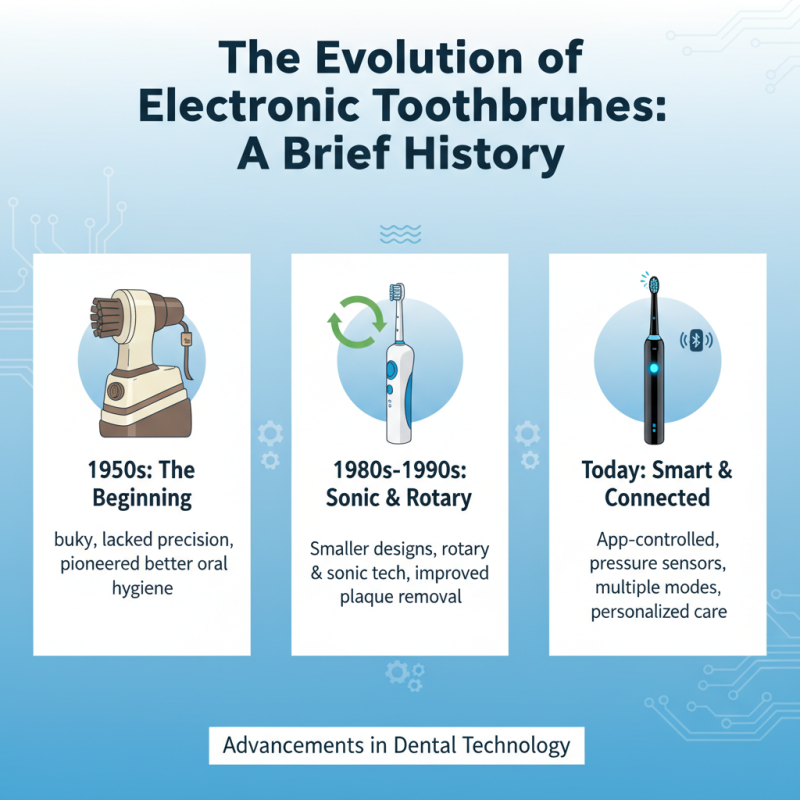
The Evolution of Electronic Toothbrushes: A Brief History
The evolution of electronic toothbrushes reflects advancements in dental technology. The journey began in the late 1950s when the first electric toothbrushes hit the market. These initial designs were bulky and lacked the precision of modern models. However, they opened the gateway to better oral hygiene practices.
By the 1980s, improvements in battery technology led to more compact and efficient designs. Users found these brushes more convenient for daily use. The introduction of oscillating and rotating heads marked a significant shift. Studies revealed that these designs could remove plaque more effectively than manual brushing. The focus began to shift toward user experience and connectivity.
In recent years, smart features became integrated into electronic toothbrushes. Some models now connect to smartphone apps, providing real-time feedback. Yet, the increase in gadgetry raises questions about dependency. At times, users may prioritize technology over technique. This invites us to reflect on the core purpose of brushing—maintaining oral health. As we look ahead to new innovations, understanding the basics remains crucial.
Key Features to Consider When Choosing an Electronic Toothbrush
When selecting an electronic toothbrush, key features can greatly impact oral health.
Brush head design is crucial. Studies indicate that
smaller, contoured heads can clean more effectively than larger ones. For instance, a
report from the American Dental Association suggests smaller brush heads can access hard-to-reach
areas better, where plaque often accumulates.
Another essential feature is the cleaning modes. Many models offer varying settings, such as
sensitive and whitening modes. A survey found that 60% of users prefer
toothbrushes with customizable settings. This allows users to cater their brushing experience to individual needs.
Sensor technology is also emerging. These sensors can monitor
brushing pressure. Continuous pressure can lead to gum damage.
Real-time feedback can prevent this, enhancing the overall brushing experience.
Battery life is another consideration. Longer-lasting batteries can support
consistent use without frequent recharging. Some users express discontent with short battery life, leading to
usage inconsistency. Reports show that nearly 30% of users abandon their electric toothbrushes
due to poor battery performance. When navigating these features, consider personal preferences and experiences.
Making an informed choice ensures better oral hygiene over time.
Types of Electronic Toothbrushes: Sonic, Oscillating, and More
When considering electronic toothbrushes, it's essential to understand the main types: sonic and oscillating. Sonic toothbrushes utilize high-frequency vibrations to create fluid motion. This action helps in removing plaque effectively and stimulates gum health. They can reach areas traditional brushing might miss. Some users find sonic brushes gentler on their gums, yet they still deliver impressive cleaning results.
Oscillating toothbrushes, on the other hand, employ a rotating motion. These brushes rotate back and forth, tackling plaque with precision. Many people appreciate how this technology makes brushing feel thorough. However, the experience can vary. Some users may find oscillating brushes a bit too aggressive, leading to discomfort. It’s crucial to personalize your choice based on your dental sensitivity.
There are additional options as well, like dual-action and ultrasonic brushes. Each type offers unique benefits but comes with considerations. Users often need time to adjust to new techniques. Regular feedback from your dentist is vital to ensure your chosen type suits your specific needs. Experimentation may be necessary, and some trial and error might exist before finding the perfect fit. Understanding these types not only enhances your dental routine but may lead to lasting oral health benefits.
2026 Top Electronic Toothbrush Types
Comparative Analysis of Popular Electronic Toothbrush Brands in 2026
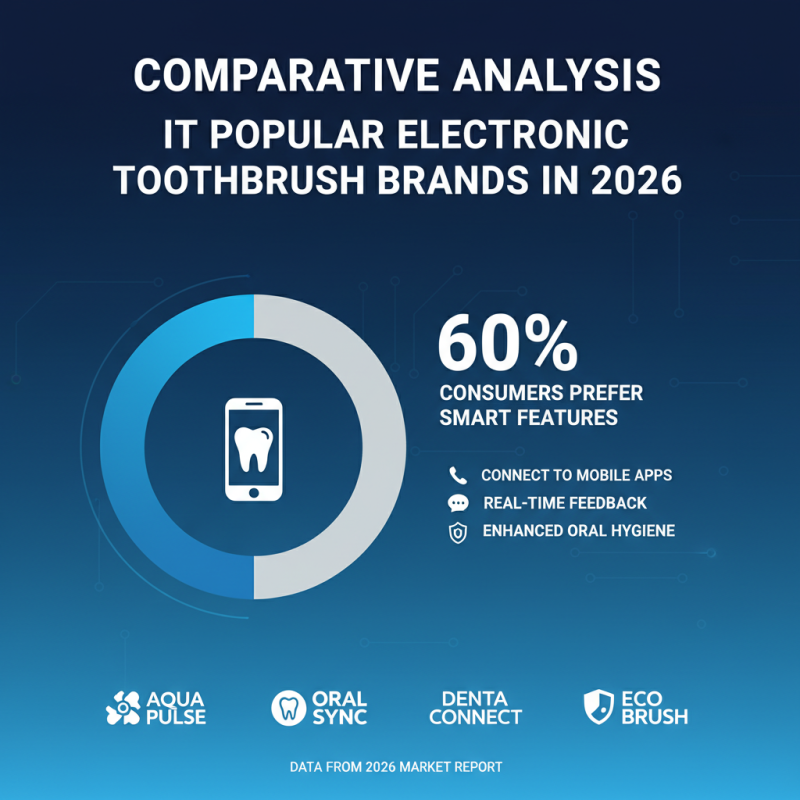
In 2026, a comparative analysis of electronic toothbrushes reveals significant trends in the market. Data from a recent report indicates that over 60% of consumers prefer toothbrushes with smart features. These toothbrushes connect to mobile apps, providing real-time feedback on brushing habits. Such innovations enhance user engagement and promote better oral hygiene practices.
Market leaders have shown an increase in sales, with the growth rate for electronic toothbrushes at around 10% annually. However, not all brands perform equally. Some models struggle with user satisfaction due to complicated app interfaces or battery issues. Such shortcomings highlight the importance of reliable consumer feedback for manufacturers.
Additionally, a notable finding is that battery life varies significantly among brands. Users often report that some brushes require frequent recharging, which can be frustrating. This variation suggests that while technology advances, some basic customer needs may still be overlooked. Ongoing development in design and functionality will be essential for meeting the diverse demands of users in coming years.
Future Trends in Electronic Toothbrush Technology and User Experience
The future of electronic toothbrush technology is poised for significant advancement. Innovations are focusing on improved user experiences, integrating smart features that track oral health in real-time. According to a report by the International Dental Research Organization, nearly 58% of consumers value interactivity. This trend suggests that future toothbrushes will incorporate AI-driven analytics, allowing users to receive personalized feedback on their brushing habits.
Moreover, sustainability is becoming a priority. Many new models will likely utilize eco-friendly materials. A survey from the Dental Hygiene Association shows that 70% of consumers prefer products that are environmentally conscious. This shift not only enhances the user experience but also appeals to health-conscious consumers.
However, challenges remain. The tech-heavy designs may alienate users who prefer simplicity. Additionally, the learning curve for utilizing advanced features could deter widespread adoption. As companies innovate, they must balance sophistication with accessibility. Ensuring that electronic toothbrushes cater to all user demographics will be essential for future success.
2026 Top Electronic Toothbrush Types You Need to Know
| Toothbrush Type |
Features |
Battery Life |
Smart Technology |
User Experience |
| Sonic Toothbrush |
High-frequency vibrations, multiple cleaning modes |
Up to 2 weeks |
Yes, app connectivity |
Excellent, deep cleaning feel |
| Rotary Brush |
Circular motion, compact design |
1 week |
Limited, basic features |
Good, easy maneuverability |
| Ultrasonic Toothbrush |
Uses ultrasonic waves, minimal brush contact |
3 weeks |
Yes, advanced tracking |
Outstanding, gentle on gums |
| Travel Electric Toothbrush |
Compact size, travel case |
1-2 weeks |
No, basic functionality |
Convenient for travel |
| Smart Toothbrush |
Real-time oral health feedback |
Up to 2 weeks |
Yes, full app integration |
Highly personalized |