Top 10 Benefits of Using an Adult Toothbrush for Oral Health?
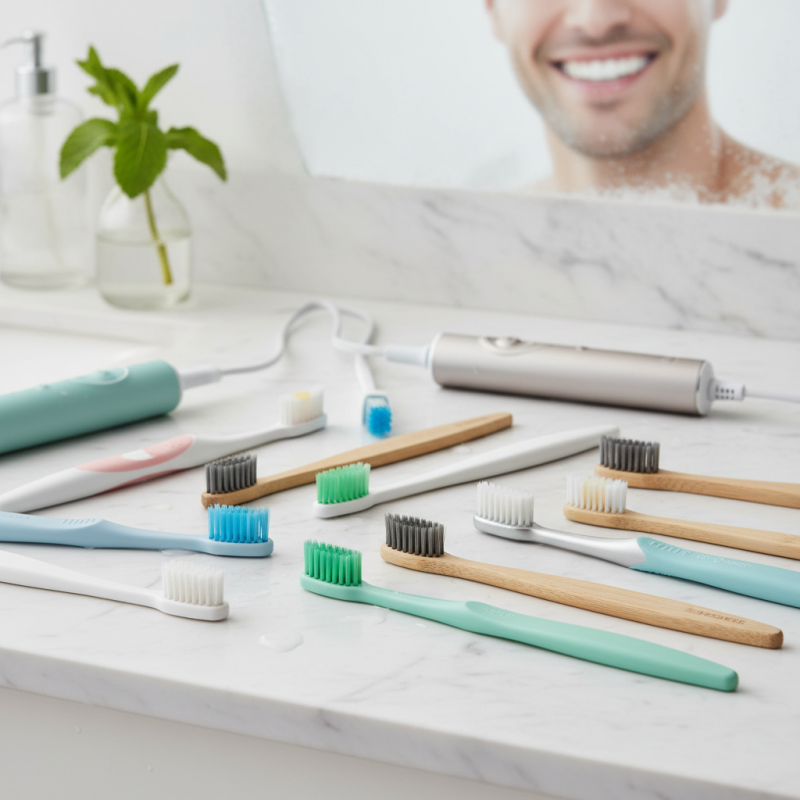
Choosing the right toothbrush can impact your oral health significantly. An adult toothbrush is designed specifically for the needs of adult mouths. Its bristle density and size support effective cleaning of larger surfaces.
Many people overlook the importance of using an adult toothbrush. They might think any brush is fine, but that’s not accurate. An adult toothbrush offers benefits that a child’s brush simply cannot provide. The stiffness of bristles helps in removing plaque efficiently. A well-functioning toothbrush can boost your brushing experience.
However, not all adult toothbrushes are created equal. Some individuals still struggle to find the ideal fit for their oral needs. This can lead to ineffective cleaning and oral issues. Reflecting on your choices can enhance the quality of your dental care.
Benefits of Using an Adult Toothbrush for Effective Plaque Removal
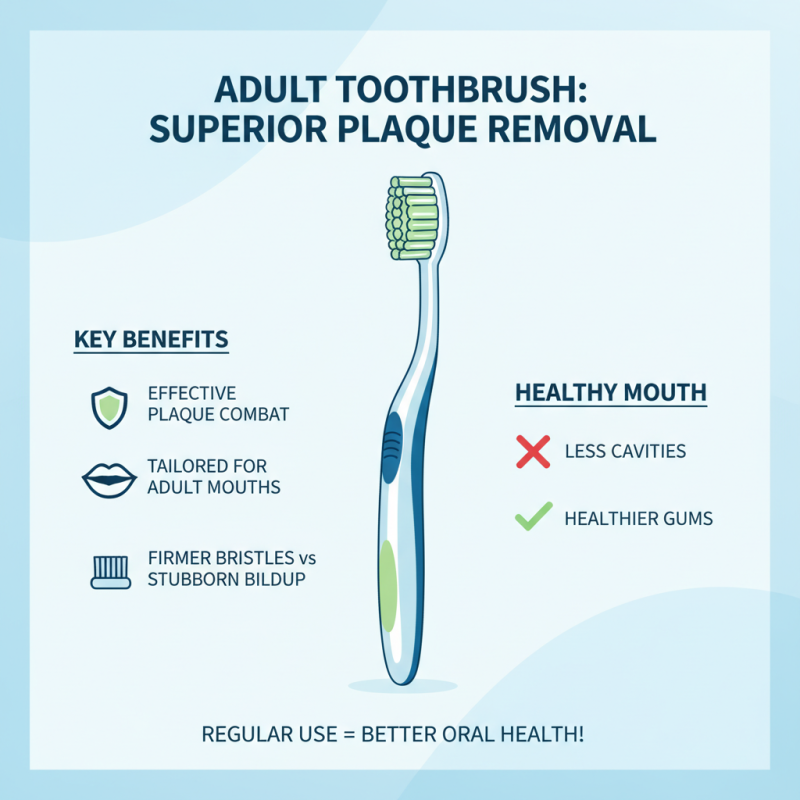
Using an adult toothbrush has significant benefits for effective plaque removal. The design is tailored for adult mouths. The bristles reach all areas, making it easier to combat plaque. Plaque can lead to cavities and gum disease if not removed regularly. A toothbrush for adults has firmer bristles that work well against stubborn buildup.
To maximize plaque removal, angle your brush at 45 degrees. This position targets the gum line effectively. Instead of brushing back and forth, use gentle circular motions. Focus on each section of your mouth for at least 30 seconds. This detail can make a big difference. Remember to replace your toothbrush every three months.
Be mindful of your technique. Sometimes, we brush too hard, which can harm gums. It’s essential to find a balance; gentle yet effective is the goal. Regular dental check-ups are also crucial. Even with a great brushing routine, professional cleaning is still necessary. Don’t overlook the importance of flossing too; it complements brushing well.
Impact of Adult Toothbrush Bristle Types on Gum Health and Sensitivity
The type of bristles on an adult toothbrush can greatly affect gum health. Soft bristles are often recommended for those with sensitive gums. They clean effectively while being gentle, avoiding irritation. However, many may underestimate their importance.
Medium and hard bristles can feel more effective at cleaning. Yet, they can also lead to gum recession and sensitivity over time. People might think more pressure equals better cleaning. This is a misconception that can cause harm. Not everyone realizes the damage caused by aggressive brushing.
Choosing the right bristle type is crucial. It involves knowing your gum health and sensitivity level. Many adults might not consult a dentist before selecting a toothbrush. This oversight can lead to ongoing issues, like bleeding gums or increased sensitivity. Awareness and proper choices are key to maintaining oral health.
Top 10 Benefits of Using an Adult Toothbrush for Oral Health
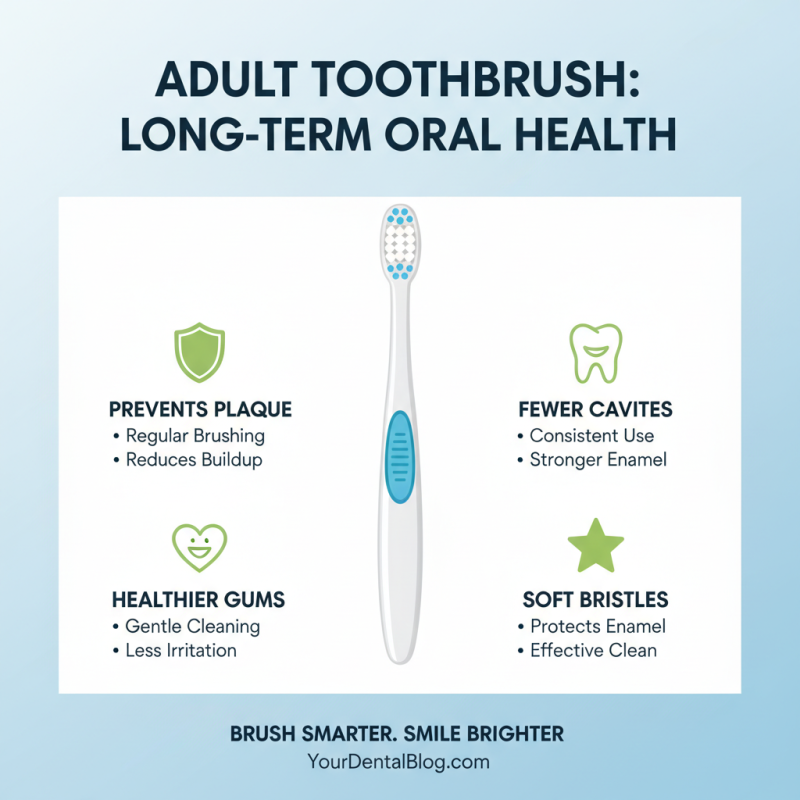
This chart illustrates the various benefits associated with using an adult toothbrush for oral health, scored on a scale from 1 to 10. Each benefit is crucial for maintaining optimal oral hygiene and overall health, showcasing the importance of choosing the right toothbrush.
The Role of Toothbrush Size and Design in Reaching Difficult Areas
The design and size of an adult toothbrush play vital roles in maintaining oral health. When it comes to brushing, size matters. A brush that's too large can make it difficult to reach back teeth. This can lead to plaque buildup in those hard-to-reach areas. Conversely, a smaller brush allows for better maneuverability, allowing it to easily access tight spaces between teeth.
The shape of the toothbrush head also influences effectiveness. A compact head can navigate around molars, ensuring a thorough clean. Meanwhile, the bristle design is crucial too. Soft bristles are gentle on gums, yet effective against plaque. However, some may overlook replacing their toothbrush regularly. This could lead to reduced cleaning efficiency over time.
Additionally, many people don’t think about grip. A comfortable handle allows for better control. Without it, brushing becomes less effective, sometimes resulting in missed spots. It’s essential to reflect on these aspects. A toothbrush should not only be functional but also comfortable to use daily. Prioritizing these features can greatly enhance overall oral hygiene.
Comparative Studies on Toothbrushes: Manual vs. Electric for Adults
When it comes to oral health, the choice between manual and electric toothbrushes often arises. Recent comparative studies highlight key differences in effectiveness. Manual brushes require strong technique and commitment. Many users struggle to maintain consistency in their brushing habits. This can lead to missed spots and plaque buildup. On the other hand, electric toothbrushes often boast timers and pressure sensors. These features promote proper technique, making brushing more effective.
Tips: Try switching things up. If you use a manual toothbrush, focus on brushing for two minutes. Set a timer or play a song to stay on track. For electric toothbrush users, be mindful of your pressure. Too much force can wear down enamel. It's crucial to find the right balance.
Ultimately, both types can promote oral health if used correctly. Regular brushing, combined with flossing and dental check-ups, makes a significant difference. However, it’s easy to become complacent. Reflect on your routine. Are you doing your best for your teeth? Adjustments might be necessary for better oral hygiene.