Top Benefits of Using Soft Toothbrushes for Effective Oral Care?
Maintaining optimal oral health is essential for overall well-being. Recent studies indicate that soft toothbrushes are effective in promoting gum health while efficiently removing plaque. According to the American Dental Association, about 80% of adults experience gum disease at some point. A soft toothbrush can help reduce irritation in sensitive gums, which is crucial for many people.
Using a soft toothbrush may seem like a simple choice, but it comes with significant benefits. Clinical research shows that individuals who switch to soft bristles reduce enamel wear by 30%. This is essential for preserving tooth integrity. Moreover, users report less pain and sensitivity when brushing with soft toothbrushes. These findings make it evident that choosing the right toothbrush plays a vital role in one's daily oral care routine.
However, not everyone appreciates the gentle approach of a soft toothbrush. Some individuals prefer firmer bristles, believing they clean more effectively. This mindset may need to be reevaluated. Ultimately, adopting a soft toothbrush could vastly improve comfort and contribute positively to one’s dental health journey.
Understanding the Structure and Bristles of Soft Toothbrushes
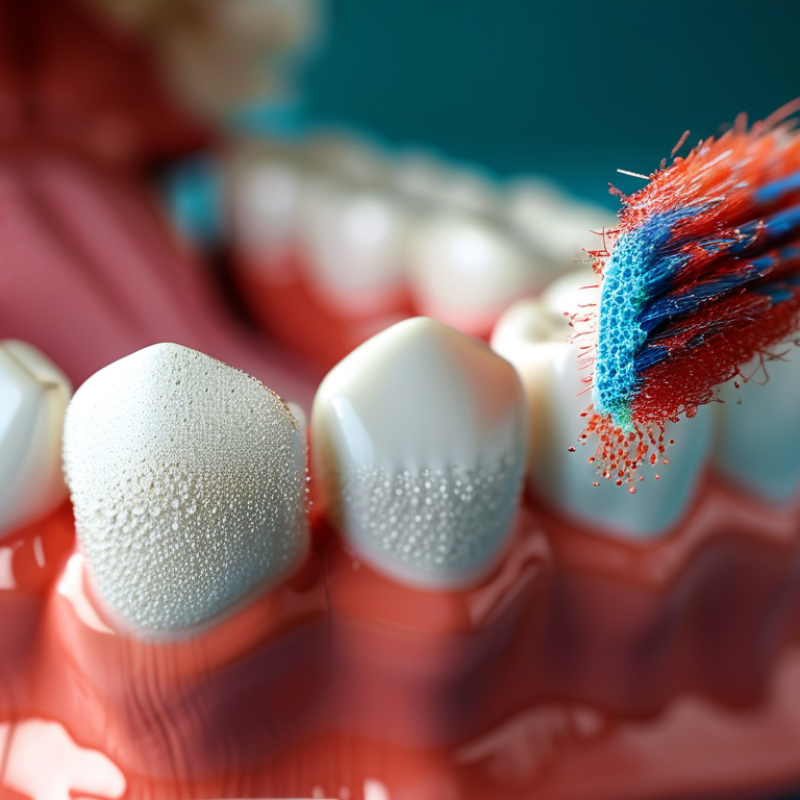
When considering effective oral care, the structure and bristles of soft toothbrushes play a crucial role. Soft toothbrushes typically have bristles made from nylon, designed to be gentle on gums while effectively clearing plaque. According to the American Dental Association, over 80% of dental professionals recommend using soft-bristled toothbrushes. This is due to their ability to reduce the risk of gum recession and enamel wear, two common issues attributed to hard-bristled brushes.
The bristles on a soft toothbrush are narrower and more flexible. This design allows for better access to tight spaces between teeth. A study published in the Journal of Periodontology found that individuals using soft bristles showed 38% less gum inflammation compared to those using harder bristles. However, not all soft toothbrushes are created equal. Some may lack sufficient firmness to remove debris effectively. Therefore, it's essential to choose one that balances softness with adequate cleaning capability.
Despite the advantages, some users may initially feel that soft brushes do not provide a thorough clean. This perception can lead to improper brushing techniques, which may inadvertently result in missed areas. It's important to focus on technique rather than force when using a soft toothbrush. Adopting the right angle and gentle pressure can elevate the cleaning experience. Regularly replacing toothbrushes is also vital in maintaining effectiveness; ideally, it should be done every three to four months.
Top Benefits of Using Soft Toothbrushes for Effective Oral Care
This chart illustrates the various benefits of using soft toothbrushes, highlighting their importance in effective oral care. Each benefit is rated on a scale from 1 to 10, providing a visual representation of their effectiveness.
Advantages of Soft Toothbrushes for Sensitive Gums and Teeth
Using a soft toothbrush is essential for individuals with sensitive gums and teeth. These brushes are designed to gently clean without causing irritation. For those who experience discomfort while brushing, a soft toothbrush can be a game-changer. It helps reduce inflammation and protects enamel from wear. Sensitive gums benefit greatly from this softer touch, leading to a more pleasant brushing experience.
Choose a toothbrush that fits your mouth comfortably. A smaller head can reach difficult areas more effectively. When brushing, focus on gentle, circular motions rather than harsh back-and-forth strokes. This technique aids in plaque removal without damaging delicate gum tissue. Regularly replace your toothbrush every three to four months or sooner if the bristles fray.
For anyone who struggles with brushing due to pain, consider using warm water. Rinsing your brush ensures a soothing gum experience. Be aware of applying too much pressure. This can exacerbate sensitivity problems. If discomfort persists, consult your dentist. They can offer personalized recommendations for maintaining oral health while using a soft toothbrush. Taking care of your dental hygiene doesn’t have to be painful.
How Soft Toothbrushes Promote Better Plaque Removal Techniques
Soft toothbrushes are increasingly recognized for their effectiveness in oral care. They are gentler on the gums and enamel, helping to prevent irritation and promote a healthier mouth. Many dental professionals recommend them, especially for people with sensitive teeth or gum issues.
When it comes to plaque removal, the technique matters. Soft bristles can reach into crevices without causing damage. It's crucial to use a gentle, circular motion. Avoid aggressive scrubbing, as too much pressure can lead to gum recession. Regular use of a soft toothbrush can significantly reduce plaque buildup.
Tips for choosing and using a soft toothbrush:
- Look for a brush with a comfortable grip. This encourages a longer brushing duration.
- Change your toothbrush every three months.
- Remember, brushing twice daily is key to maintaining oral health.
- Experiment with different angles to find what works best for you.
- Reflect on your habits and make adjustments as needed.
Comparing Soft Toothbrushes with Hard and Medium Bristle Options
In dental health, the choice between soft, medium, and hard toothbrushes can significantly impact oral care. Soft bristles are gentle on gums and tooth enamel. A report from the American Dental Association (ADA) highlights that using soft toothbrushes can reduce gum abrasion. Over 70% of dental professionals recommend them for most people.
In contrast, medium and hard bristles can cause discomfort. They may lead to gum recession and increased sensitivity. A study indicated that individuals using hard bristle brushes had a 30%% higher likelihood of experiencing gum issues. This raises an important question: Are we prioritizing aggressive cleaning over gentle care?
While some might prefer firmer options for a "deeper clean", it’s vital to recognize potential harm. Effective brushing is less about bristle hardness and more about technique. Proper brushing methods with a soft toothbrush can effectively remove plaque. The evidence suggests a shift in mindset is necessary for optimal oral health. Gentle care should be the priority.
Best Practices for Using Soft Toothbrushes in Daily Oral Hygiene
Using a soft toothbrush is a simple yet effective way to enhance your oral hygiene. These brushes are gentle on the gums and enamel, making them suitable for everyone. When selecting a toothbrush, choose one with soft bristles to avoid irritation. This is especially important for those with sensitive teeth or gum conditions.
Proper technique is key when using soft toothbrushes. Brush gently in circular motions, targeting each tooth carefully. Don’t apply too much pressure; let the bristles do the work. Spending at least two minutes brushing can ensure thorough cleaning. Rinsing your toothbrush after use can help maintain its cleanliness and effectiveness.
It’s essential to remember that soft toothbrushes are not a cure-all. Regular dental check-ups are still crucial for monitoring your oral health. Some people may feel tempted to rush through brushing. This can lead to inadequate cleaning. Developing a consistent routine can help combat this tendency. Consider setting reminders if necessary, to encourage mindfulness during your dental care practices.