Choosing the right Water Floss supplier can shape product quality, customer trust, and long-term market performance. Global buyers need more than attractive pricing. They need reliable factories, consistent pressure control, safe materials, and responsive after-sales support.
Dr. Mark S. Wolff, a respected dental educator and researcher, has emphasized, “The most important thing is to clean between the teeth every day.” This practical point matters when evaluating Water Floss products. A well-designed device should make daily cleaning easier, not create confusion or discomfort. Buyers should examine water-tank design, pulse settings, nozzle durability, battery performance, and noise levels. Small details matter.
Reliable suppliers should provide clear test reports, traceable production records, and transparent quality procedures. They should also explain how products are inspected before shipment. Certifications alone are not enough. That is easy to forget. Factory visits, sample testing, and communication checks can reveal weaknesses early. A supplier may offer excellent prototypes but struggle with large-volume consistency. This risk deserves attention.
The best China-based Water Floss suppliers usually combine engineering experience with flexible OEM and private-label services. They can support packaging design, instruction manuals, replacement tips, and export documentation. However, buyers should avoid choosing only by low price. Lower costs may hide weak materials, unstable pumps, or limited customer support. This outline examines supplier selection, product evaluation, manufacturing capability, compliance documentation, and practical questions for global buyers. Real purchasing decisions remain imperfect, so careful verification is essential.
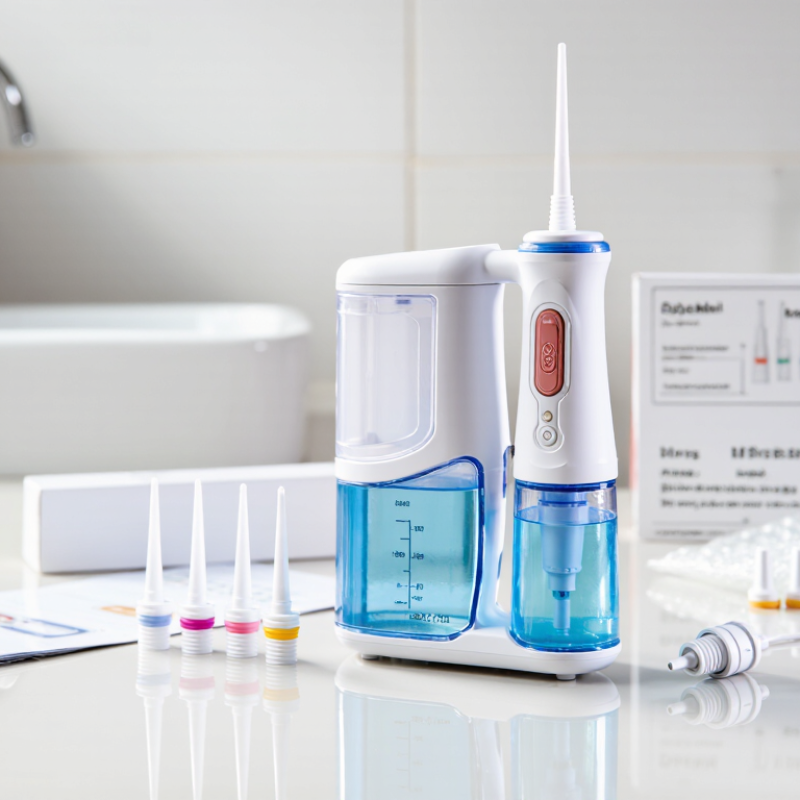
China’s leading position in water floss supply reflects a deep manufacturing ecosystem, not only lower pricing. The World Health Organization’s Global Oral Health Status Report estimates that oral diseases affect nearly 3.5 billion people worldwide. This expanding need encourages scalable production and practical product improvement. The World Bank’s 2023 Logistics Performance Index ranked China 19th among 139 economies, supporting reliable export coordination and shorter replenishment cycles.
Factories can source miniature pumps, rechargeable cells, molded housings, silicone seals, and control boards from nearby suppliers. This proximity reduces design delays. It also makes private customization easier. Engineers can adjust pulse pressure, reservoir volume, nozzle geometry, and charging systems within one development cycle. UNIDO industrial statistics consistently place China among the world’s largest manufacturing bases, giving buyers access to tooling, assembly, testing, and packaging in one region.
The strongest suppliers document more than attractive samples. They record pressure consistency, water leakage, battery endurance, noise levels, and repeated switch testing. ISO 9001 or ISO 13485-based procedures can improve traceability, although certification alone proves little. Buyers should inspect batch records and test independent samples. Some suppliers still exaggerate laboratory results. That weakness deserves scrutiny. A water flosser that performs well for one week may fail after months of daily charging. Real evaluation should include drop tests, continuous cycling, and user cleaning habits. Small details matter.
China’s advantage comes from its mature electronics and plastics supply chains, broad OEM/ODM manufacturing capacity, export infrastructure, and competitive production economics. The scores shown are an editorial benchmark based on publicly measurable manufacturing and trade factors, not company- or brand-specific performance data.
A capable Chinese water flosser supplier should provide more than attractive samples. Request the business license, factory address, production photos, and recent quality records. A video tour helps, but an independent audit is stronger. Check whether the factory controls molding, assembly, testing, and final packing. Trading companies can be useful, yet their production visibility may be limited.
Test samples under realistic conditions. Measure water pressure, spray stability, charging time, noise, and tank leakage. Run repeated cycles, not only a short demonstration. Inspect nozzle fit, silicone seals, battery protection, and surface finishing. Ask for material declarations and applicable safety test reports. Documentation should match the exact model, not a similar product. Small differences matter.
A reliable supplier explains minimum order quantities, tooling charges, lead times, and replacement policies clearly. Confirm carton dimensions and drop-test methods before approving packaging. Ask how defective units are recorded and corrected. One polished sample proves very little. I have seen evaluation plans focus too heavily on appearance. That is an easy mistake. Production consistency deserves equal attention. Keep written inspection criteria, approve a pilot order, and compare random units from different cartons. Suppliers who welcome difficult questions often provide more dependable cooperation.
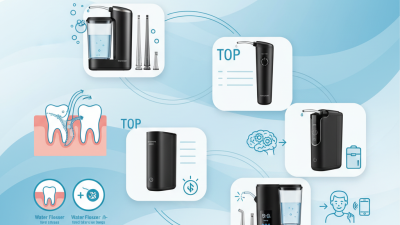
China’s water flosser suppliers serve three main formats: countertop, cordless, and faucet-connected units. Countertop models often provide 600–1,000 ml tanks, while cordless models usually hold 150–300 ml. Portable designs suit travel, but small tanks may require refilling during full-mouth cleaning.
Market research from Grand View Research places the global oral irrigator market in the billion-dollar range, with demand supported by home-care adoption. Suppliers should therefore show measurable specifications, not vague claims.
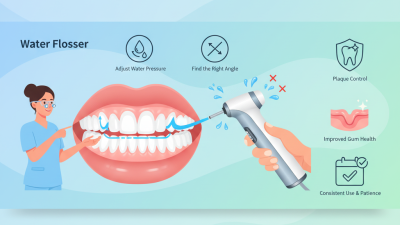
Useful details include adjustable pressure around 10–100 PSI, 1,200–1,800 pulses per minute, and multiple interchangeable tips. A 360-degree rotating nozzle improves access around molars. An IPX7 rating can support safer bathroom use, but buyers should verify the actual test report.
For global purchasing, examine battery capacity, charging time, noise output, and tank sealing. USB-C charging is convenient, while a 1,000–2,000 mAh battery may support several days of normal use.
IEC 60529 testing, EMC documentation, material declarations, and battery transport records add credibility. ISO 9001 production controls are helpful, though certification alone does not prove product quality. Ask for pressure calibration records and sample-testing results.
Some supplier specifications look impressive but lack repeatable evidence. That gap deserves attention.
For global buyers, a capable Chinese water flosser supplier must prove more than attractive specifications. The WHO Global Oral Health Status Report 2022 estimates that nearly 3.5 billion people live with oral diseases. This demand increases pressure on suppliers to deliver safe, consistent devices. Ask for ISO 9001 quality records, batch traceability, incoming-material inspections, and documented corrective actions.
Documents matter.
Product safety requires practical testing. Suppliers should evaluate electrical insulation, leakage current, battery protection, charging temperature, and water resistance under IEC 60529 IP ratings. If a product makes medical or therapeutic claims, buyers should verify the relevant market approval pathway. ISO 13485 may support medical-device quality management, but it does not replace local registration.
A certificate alone is not proof.
Production capability also needs physical evidence. Check whether factories operate automated assembly, ultrasonic welding, aging tests, and calibrated pressure testing. Request sample reports for nozzle flow, reservoir leakage, noise, and battery cycle performance. The ISO Survey 2023 shows ISO 9001 remains widely used across global manufacturing, yet certification quality can vary. I would still audit the production line. Ask workers to demonstrate a live final inspection, not only show photographs. Small weaknesses often appear around seals, charging ports, and recycled plastic parts. Suppliers should also explain capacity during peak seasons, spare-part availability, and how failed units are isolated before shipment.
Global buyers need more than a low quotation when selecting water floss suppliers in China. Pricing should include product cost, packaging, inspection, spare nozzles, and export documents. Ask for a clear price breakdown before comparing offers. A cheaper unit may require stronger packaging or create higher after-sales costs. Request samples from shortlisted suppliers. Test water pressure, battery life, noise, and leakage for several days. My experience is that one sample rarely reveals every production issue.
Order management should be precise. Confirm the model, color, logo method, carton size, plug type, and replacement parts in writing. Use a purchase order with approved specifications and inspection standards. Production photos can help, but they are not a complete quality check. An independent inspection before shipment offers better evidence. Still, inspection adds time and cost. Buyers should decide which risks matter most.
Tips: Negotiate shipping terms only after confirming carton dimensions and total weight. Compare sea, air, and rail options using the same delivery scope. Check whether the quotation includes customs handling, destination charges, and insurance. Keep a small buffer for port delays and seasonal congestion. Do not promise customers an exact arrival date too early. That mistake is common. Also, review payment milestones carefully, and keep written records of every change. A reliable supplier should answer technical questions clearly, provide consistent documents, and explain delays without hiding them.
| Supplier Manufacturing Region | Typical Product Focus | Indicative FOB Price per Unit | Common MOQ | Sample Lead Time | Mass-Production Lead Time | Typical OEM/ODM Capability | Recommended Order-Control Point | Common Export Shipping Option |
|---|---|---|---|---|---|---|---|---|
| Guangdong | Cordless, countertop, portable, and rechargeable water flossers | US$8–18 | 500–2,000 units | 7–15 calendar days | 25–45 calendar days | Private labeling, packaging customization, color changes, accessory sets, and firmware adjustments for selected models | Confirm battery specifications, charger requirements, carton dimensions, and production capacity before placing the purchase order | Sea freight from South China ports; air freight or courier for samples and urgent replenishment |
| Zhejiang | Cost-focused handheld and entry-level rechargeable models | US$6–14 | 1,000–3,000 units | 7–12 calendar days | 25–40 calendar days | Logo printing, standard mold selection, retail packaging, and basic product configuration | Compare quoted prices using the same battery capacity, nozzle quantity, packaging material, and testing requirements | Sea freight from East China ports; rail or truck combinations may be used for selected inland destinations |
| Jiangsu | Countertop units, family-use systems, and products with larger water reservoirs | US$12–25 | 500–1,500 units | 10–18 calendar days | 30–50 calendar days | Housing color changes, control-panel customization, packaging development, and engineering support | Approve a sealed production sample and verify water-resistance, pump performance, noise level, and leakage results | Full-container or consolidated sea freight; ocean shipping is generally more economical for bulky countertop products |
| Fujian | Portable oral-care appliances and compact travel-oriented models | US$7–16 | 800–2,000 units | 7–15 calendar days | 25–45 calendar days | Logo application, color matching, accessory bundling, and customized instruction manuals | Check the final packed weight and master-carton quantity because these directly affect courier and air-freight costs | Sea freight from Southeast China ports; courier service is suitable for small samples and pre-production approvals |
| Shandong | Standard electric oral-care appliances and value-oriented bulk orders | US$8–17 | 1,000–3,000 units | 10–20 calendar days | 30–50 calendar days | Standard OEM packaging, logo printing, accessory selection, and moderate product customization | Use a written inspection checklist covering appearance, charging, power output, nozzle fit, water leakage, and carton labeling | Sea freight from North or East China ports; inland trucking time should be included in the landed-cost calculation |
| Multi-region sourcing benchmark | Mixed models for distributors, e-commerce sellers, and private-label importers | US$6–25 | 500–3,000 units | 7–20 calendar days | 25–50 calendar days | Ranges from simple logo application to full packaging, appearance, accessory, and functional customization | Request a complete quotation showing unit price, tooling, sample fees, testing, packaging, inland delivery, export documents, and Incoterms separately | Compare EXW, FOB, CIF, and DDP only after confirming the same product specification and destination requirements |