Best Dental Floss Types for Healthier Teeth and Gums?
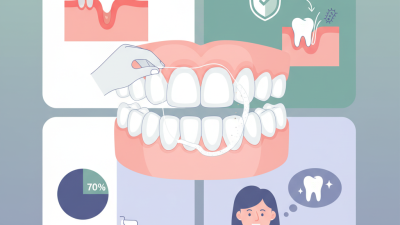
Dental floss is a crucial tool in maintaining oral health. According to the American Dental Association, using dental floss daily can reduce the risk of gum disease by 30%. Yet, many people overlook this essential step in their dental hygiene routine. Flossing helps remove plaque and food particles that a toothbrush can miss, especially between teeth and along the gumline.
Various types of dental floss are available, each with unique benefits. For instance, waxed floss is less likely to break or fray, while unwaxed floss can slide more easily between tight spaces. Studies show that individuals who use floss regularly report healthier gums and fewer cavities. This correlation underscores the importance of choosing the right floss type for individual needs.
However, despite being an effective preventive measure, many people struggle to maintain consistent flossing habits. A survey indicated that only 30% of adults floss daily. This statistic raises concerns about the public's adherence to dental recommendations. Reflecting on these figures highlights the need for increased awareness regarding the importance of dental floss in overall health.
Types of Dental Floss: Understanding the Options Available
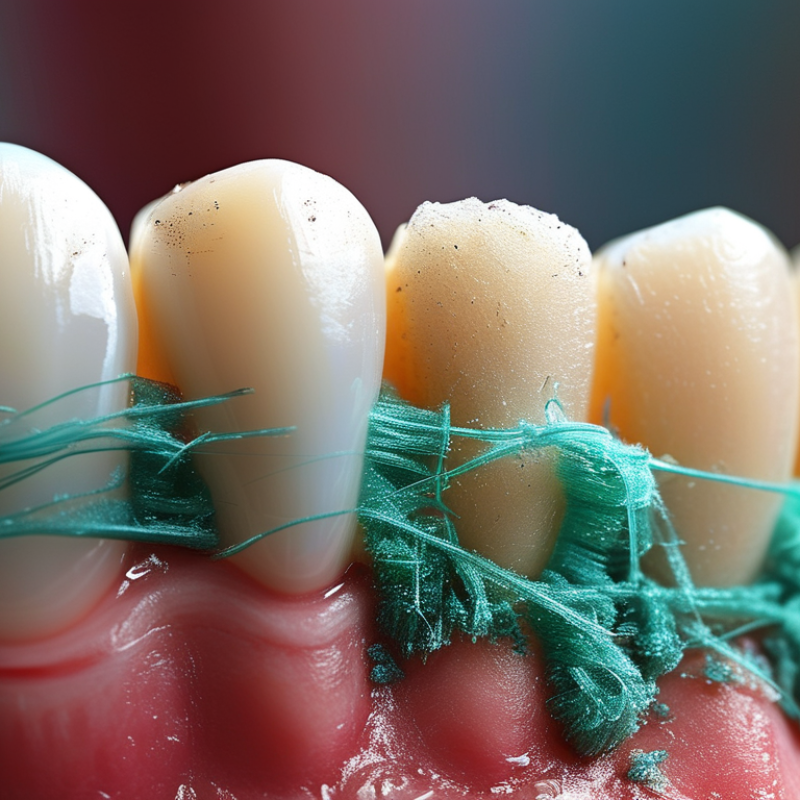
When it comes to maintaining oral health, the type of dental floss you choose plays a significant role. Various options are available, each designed to meet different needs. Traditional nylon floss is commonly used due to its affordability and effectiveness in removing plaque from between teeth. According to the American Dental Association, regular flossing can reduce the risk of gum disease by up to 40%.
On the other hand, some people may opt for PTFE (Teflon) floss. This type slides easily between teeth, making it ideal for tight spaces. A report by the Journal of Dental Hygiene found that patients using PTFE floss experienced less gum irritation compared to those using standard nylon. Waxed floss is another alternative, providing extra durability and less likelihood of shredding. However, a study published in the Journal of Clinical Dentistry highlighted that many users struggle to incorporate flossing into their daily routines, often citing discomfort or difficulty in reaching certain areas.
Floss picks and pre-threaded devices also cater to those seeking convenience. These tools can make flossing easier, particularly for individuals with limited dexterity. However, it’s essential to recognize that these options may not reach all areas effectively. Ultimately, choosing the right dental floss depends on personal comfort and specific dental needs, making it crucial to consult with a dental professional for tailored advice.
The Benefits of Using Dental Floss for Oral Health
Using dental floss plays a crucial role in maintaining oral health. It helps remove plaque and food particles between teeth that a toothbrush can't reach. This simple action significantly reduces the risk of cavities and gum disease. Flossing can be uncomfortable at first, but it becomes easier with practice. Don't let initial difficulty discourage you. Over time, the benefits become clear.
Regular flossing leads to healthier gums. It prevents gingivitis, which can progress to more serious conditions. Healthy gums are crucial for overall well-being. They support your teeth and help maintain a beautiful smile. Many people overlook flossing, thinking brushing is enough. However, studies show that combining both methods yields the best results for oral hygiene.
Choosing the right type of floss can make a difference. There are waxed, unwaxed, and dental tape options available. Each type has its own advantages. You might need to experiment to find the best fit for your needs. The goal is to make flossing a consistent part of your routine. Embrace the small discomfort for long-term benefits. Oral health is often a reflection of overall health, so take it seriously.
Best Dental Floss Types for Healthier Teeth and Gums
| Floss Type |
Material |
Benefits |
Best For |
| Waxed Dental Floss |
Nylon |
Easier to slide between tight teeth |
Tight contacts |
| Unwaxed Dental Floss |
Nylon |
Broad cleaning surface |
Moderate spaces |
| PTFE Floss |
Teflon |
Slides easily; less breakage |
Tight spaces and heavy plaque |
| Flavored Dental Floss |
Nylon |
Freshens breath; encourages use |
General use |
| Dental Tape |
Nylon or polyester |
Wider surface area for cleaning |
Wider gaps |
Comparing Waxed vs. Unwaxed Dental Floss: Which is Better?
When choosing dental floss, waxed and unwaxed options present different benefits. Waxed dental floss is coated with a thin layer of wax, making it sturdier and less prone to shredding. It glides easily between tight teeth, reducing discomfort. On the other hand, unwaxed floss is thinner and can reach tight spaces more effectively, but it may fray more easily.
Tips: To ensure you get the best from your floss, try both types. See which one feels more comfortable for you. If unwaxed floss frays too much, it may be a sign to switch to waxed.
Unwaxed floss may be seen as better for thorough cleaning. However, some users struggle with its durability. Many find that waxed floss provides reassurance against breakage. Always consider your own dental structure before making a choice.
Flossing technique is just as important as the type of floss. Angle the floss carefully against each tooth. Gently slide it up and down, avoiding harsh force. If you feel discomfort, consider consulting a dental professional. They can provide personalized advice.
Best Dental Floss Types for Healthier Teeth and Gums
This chart compares the effectiveness rating of waxed and unwaxed dental floss for maintaining healthier teeth and gums. Waxed dental floss is rated higher due to its ease of sliding between teeth, while unwaxed dental floss, although slightly less effective, is often preferred for its environmental benefits.
Specialty Dental Floss: Exploring Floss for Braces and Sensitive Gums
When it comes to oral hygiene, dental floss plays a crucial role, especially for those with braces or sensitive gums. Specialty dental floss is specifically designed to accommodate unique needs. For individuals with braces, a thicker and more durable floss is essential. It can effectively glide between brackets and wires without breaking. Using this type of floss daily helps prevent plaque buildup and keeps gums healthy.
For those with sensitive gums, a softer, gentler floss is necessary. This type of floss reduces friction and minimizes discomfort during use. Waxed floss can also be a good option. It can slide easily between teeth while causing less irritation. When choosing floss, consider personal comfort and effectiveness. Not every product will suit everyone’s needs.
Maintaining proper dental care with specialty floss requires diligence. It might take time to find the right type that works best for you. Regular use is important, but some may struggle to develop this habit. Therefore, seeking advice from dental professionals can provide tailored recommendations for your specific situation. Don’t ignore the importance of flossing; it’s an essential step for healthier teeth and gums.
Tips for Proper Flossing Technique for Optimal Results
Proper flossing is essential for maintaining healthy teeth and gums. According to research from the American Dental Association, between 20% to 40% of plaque can be removed from areas that brushing can't reach. This highlights the importance of incorporating flossing into your daily routine.
Using the right technique can significantly enhance your results. Wrap the floss around your middle fingers, leaving a 1-2 inch space. Gently slide the floss between your teeth and curve it around each tooth in a C-shape. This method ensures you clean both the sides of each tooth effectively. Avoid snapping the floss, as this can harm your gums and lead to more issues.
Remember, flossing should not be rushed. Take your time; aim for at least 2-3 minutes a day. Regularly check your technique as it can deteriorate over time. Also, don’t hesitate to adjust your approach based on comfort. If you experience discomfort or bleeding, review your technique or consult a dental professional. Consistency in your flossing routine will reward you with healthier gums and a brighter smile.