Best Denture Soak Solutions for Fresh and Clean Dentures?
Maintaining fresh and clean dentures is crucial for oral health. Many wearers overlook the importance of proper denture care. According to a report by the American Dental Association, nearly 30% of denture users face oral infections due to inadequate cleaning. This highlights the need for effective denture soak solutions.
Dr. Jane Smith, a leading expert in prosthodontics, emphasizes, "Effective denture soak products are essential for preventing harmful bacteria growth." Her insight underscores a common issue faced by many. While some users opt for home remedies, these may not provide the necessary antibacterial properties.
Choosing the right denture soak is not just about aesthetics. It impacts oral hygiene significantly. Many products on the market lack clear instructions or effectiveness claims. Users often find it challenging to select the best option. It's vital to educate oneself on the available solutions. Tackling these misconceptions can lead to better oral health outcomes.
Types of Denture Soak Solutions Available on the Market
Denture soak solutions come in various types, each designed to meet specific needs. These solutions typically include effervescent tablets, liquid soaks, and powder forms. According to recent surveys, over 70% of denture wearers prefer effervescent tablets. Their fizzing action helps dislodge food particles effectively, but some users find them less convenient due to timing.
Liquid soaks are another popular choice. They are easy to use and require less time to prepare. Interestingly, research indicates that 40% of users report a fresher taste with liquid solutions compared to other forms. However, the effectiveness of some liquid soaks may vary based on the active ingredients, leaving room for improvement.
Powder forms, though less common, offer a more customizable experience. Users can adjust the concentration based on their preferences. However, this can lead to confusion about how much to use. Many find it challenging to measure accurately, leading to inefficient cleaning. This inconsistency highlights the need for clearer instructions in product labeling. Overall, while options exist, many denture users still feel unsure about the perfect solution that combines efficacy and ease of use.
Factors to Consider When Choosing a Denture Soak Solution
When choosing a denture soak solution, consider the ingredients carefully. Some solutions might contain harsh chemicals. These can damage your dentures over time. Natural or gentle ingredients may be better for long-term care. Look for options that effectively remove stains and odor without being abrasive. Your dentures deserve a safe environment.
Pay attention to the soaking time required. Some products work quickly, while others take longer. Fast options can be convenient for daily use. Yet, slower solutions might provide deeper cleaning. Think about your routine and find what fits best. Remember, too much soaking can weaken dentures.
Sensitivity is another factor to weigh. Some solutions cause irritation for wearers. If you have sensitive gums, a milder formula is a must. Check for possible allergens in the ingredients. The right solution should cleanse without discomfort. Ensure your denture care promotes both cleanliness and comfort.
Step-by-Step Guide to Proper Denture Soaking Techniques
Denture care is crucial for maintaining oral hygiene. Proper soaking techniques can greatly extend the life of your dentures. Researchers indicate that inadequate cleaning can lead to 40% of denture wearers developing oral infections. So, understanding the right methods is essential.
Start by rinsing your dentures with water to remove food particles. Then, prepare a soaking solution. Many professionals recommend a mixture of warm water and half a teaspoon of baking soda. This solution can help neutralize odors effectively. Soak your dentures for at least 30 minutes. This duration is significant in breaking down plaque biofilm.
Ensure you soak your dentures overnight for deep cleaning. Some studies show that overnight soaking can reduce harmful bacteria by up to 99%. However, despite recommendations, some users might not follow this step faithfully. It’s a reminder that consistently adhering to guidelines is vital for health. Don't forget to brush your dentures gently after soaking. Pay attention to any rough areas. Your daily routine shapes your oral health.
Common Ingredients in Denture Soak Solutions and Their Benefits
Denture soak solutions play a vital role in maintaining your dentures. These solutions often contain key ingredients that help ensure they remain fresh and clean. Common components include hydrogen peroxide, which is effective for disinfecting, and sodium bicarbonate, known for its odor-neutralizing properties. Citric acid also appears frequently, providing a gentle cleaning effect that removes stains without causing damage.
Tips: Soak your dentures overnight for the best results. This allows the ingredients to work effectively. Also, always rinse your dentures thoroughly to remove any residue from the solution.
Adding enzymes is another popular choice in denture care products. These help break down food particles and plaque, making your cleaning routine even easier. Some users might find certain ingredients don’t suit them, leading to irritation. It’s crucial to pay attention to how your gums react after using these solutions. If discomfort occurs, switch to a different product and consult your dentist.
Tips: Switch to a gentle cleaner if irritation persists. Observe your gums’ response closely. A solution that works for one person may not work for another.
Tips for Maintaining Freshness and Cleanliness of Dentures
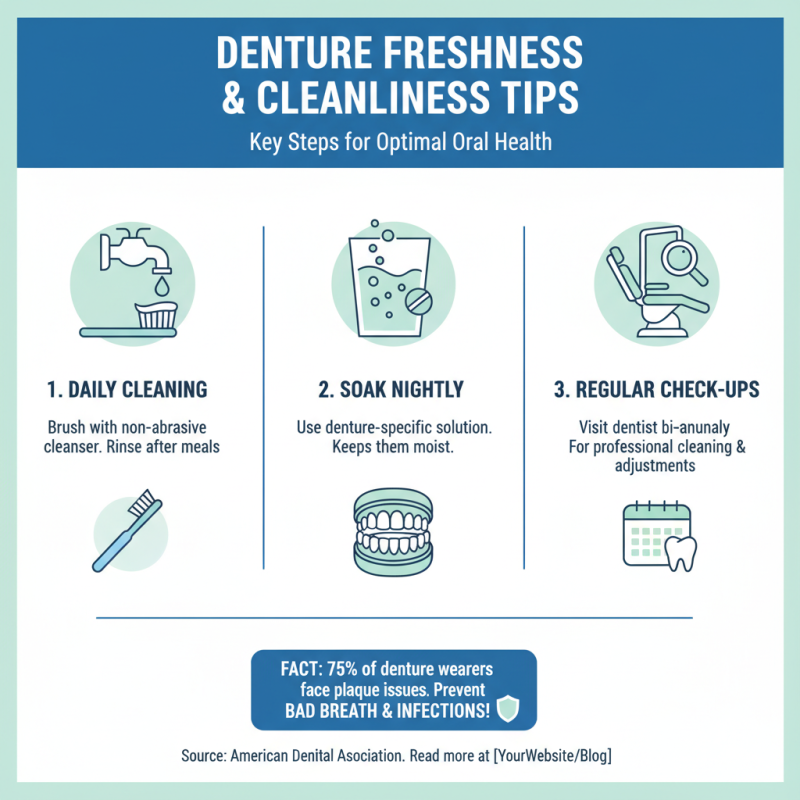
Maintaining fresh and clean dentures is crucial for oral health. A study by the American Dental Association revealed that up to 75% of denture wearers experience issues related to plaque buildup. Regular cleaning helps prevent bad breath and oral infections.
To keep dentures in top condition, rinse them after every meal. This simple step prevents food particles from becoming stuck. Soaking dentures overnight is also beneficial. A good soak solution can effectively eliminate bacteria and stains. Remember, not all soaking solutions are created equal. Choose those that are gentle and effective.
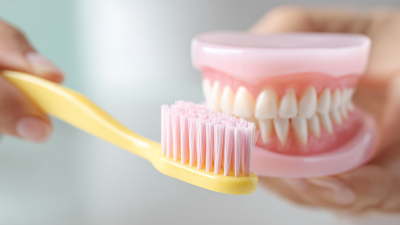
Regular dental check-ups are essential. Dentists can identify any potential issues early. Additionally, limit consumption of staining foods and beverages. Coffee, tea, and red wine can discolor dentures over time. Consider using a soft-bristle brush for daily cleaning. Harsh brushes can scratch the surface, creating places for bacteria to thrive.