Choosing the right Kid Toothbrush is essential for maintaining a child's oral health. Dr. Emily Johnson, a pediatric dentist, emphasizes, "A good toothbrush can make all the difference in a child's dental routine." In 2026, the options are plentiful, but parents need to be informed.
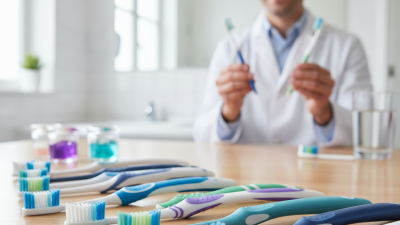
A Kid Toothbrush should be gentle yet effective. Look for soft bristles and a small head to reach every corner. Ergonomic handles encourage kids to develop healthy brushing habits. Bright colors and fun designs can make brushing exciting, turning it into a playful experience. However, not all toothbrushes guarantee quality.
Parents often overlook the importance of regular replacements. A worn-out toothbrush can be ineffective and less hygienic. It's crucial to educate kids about changing their brushes every three months. Finding the perfect Kid Toothbrush requires attention to detail. It's about balancing fun with functionality for the best results.
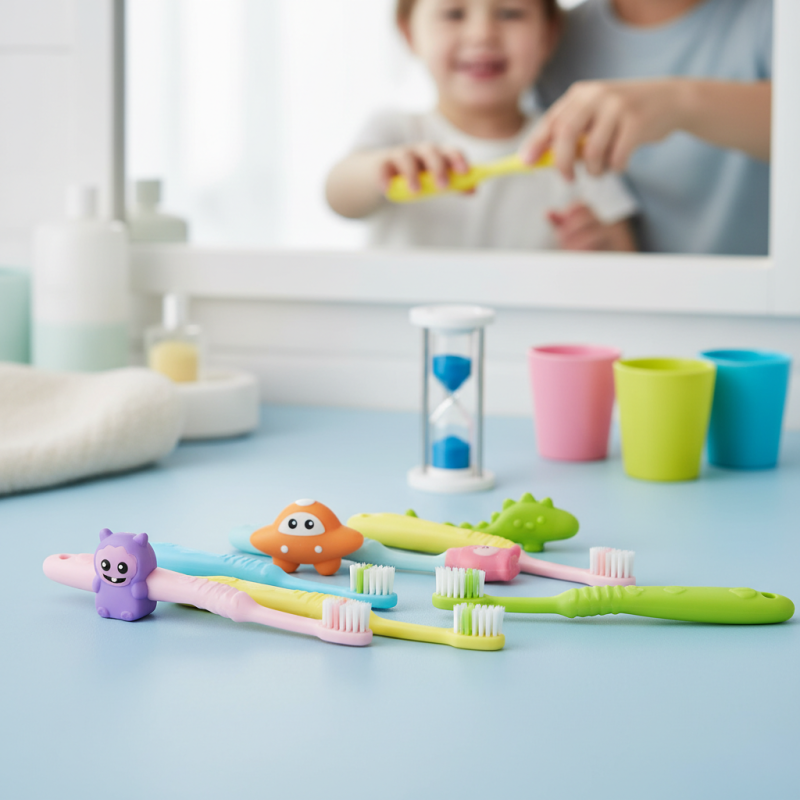
When selecting a kid's toothbrush, the size is crucial. A proper fit encourages good oral hygiene. Kids often struggle with larger brushes. A toothbrush that is too big can make it hard for them to reach all areas of their mouth. Size matters for effective brushing.
Choosing the right size involves understanding dimensions. Look for brushes that fit comfortably in small hands. Kids need to grip the toothbrush easily. A good rule is to ensure the bristles reach all parts of the mouth without discomfort. Look for shorter brush heads that target small mouths.
Tips to consider: Encourage your child to hold the toothbrush. Is it too heavy? Check if they can maneuver it freely. Also, observe their brushing technique. If they struggle, the size might be an issue. Finding the right toothbrush can make dental care enjoyable.
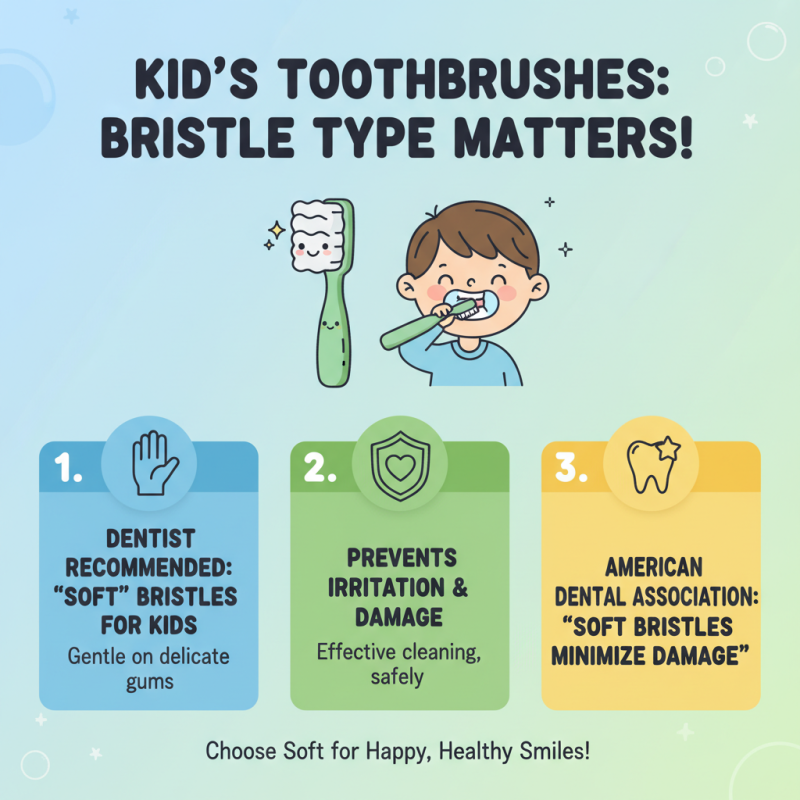
When choosing a toothbrush for kids, bristle type is crucial. Most dentists recommend soft bristles for young children. Soft bristles are gentle on delicate gums and help prevent irritation. The American Dental Association emphasizes this, stating that soft bristles effectively clean teeth while minimizing damage.
Medium bristles can sometimes feel more effective. They remove plaque and food particles well. However, they may cause discomfort for some children. Research shows that children with sensitive gums might struggle with medium bristles. Parents should observe their child’s response. If there’s bleeding or discomfort, a switch to soft bristles is often advisable.
Maintaining a pleasant brushing experience is key. Many kids dislike brushing routines, especially if their toothbrush feels harsh. A softer bristle brush can improve their attitude toward dental care. Engaging children in picking their toothbrush can also make this routine enjoyable. Visiting dental check-ups can reveal if adjustments are necessary. It’s essential to remain flexible and attentive to their needs.
Choosing a toothbrush for kids can be a fun adventure. Kids love bright colors and playful designs. This makes them more excited about brushing their teeth. A toothbrush with their favorite character can encourage kids to brush regularly. They may even look forward to their brushing routine!
When looking for a kids' toothbrush, consider the size and grip. Small hands need easy-to-hold handles. Look for non-slip materials to ensure they have a good grip. Soft bristles are essential. They clean gently and are kind to little gums. Engaging colors and designs can transform brushing from a chore into a game. However, not every design will appeal to every child.
Sometimes, kids lose interest quickly. A toothbrush that is not visually appealing may end up tossed aside. In these moments, exploring different styles can help keep their excitement alive. This process may require patience and creativity. Brushing should feel like an adventure, not a battle.
When choosing a toothbrush for kids, parents often wonder about the difference between manual and electric options. According to a 2023 pediatric dental study, 80% of dentists recommend electric toothbrushes for better plaque removal. These brushes can offer a fun experience, often incorporating timers or entertaining designs. Kids are likely to brush longer with an electric toothbrush, which can lead to better oral health.
However, some parents prefer manual toothbrushes due to their simplicity and affordability. Manual options can be just as effective if used correctly. A report from the American Dental Association indicates that brushing technique plays a crucial role in cleaning efficiency. A well-designed manual toothbrush can motivate kids to brush thoroughly.
**Tip:** Look for a toothbrush that feels comfortable in your child's hand. Often, the right fit encourages kids to brush longer. Also, consider fun colors or characters to make brushing enjoyable. Electric toothbrushes may have a higher initial cost, but they can lead to savings on dental work in the long run. It’s essential to reflect on your child’s unique needs and preferences when making a choice.
| Type | Features | Age Recommendation | Price Range |
|---|---|---|---|
| Manual Toothbrush | Soft bristles, ergonomic handle, fun characters | 3-12 years | $2 - $10 |
| Electric Toothbrush | Rotating/oscillating action, built-in timer, multiple brushing modes | 5+ years | $20 - $100 |
| Battery-operated Toothbrush | Gentle vibration, affordable, lightweight | 3-8 years | $10 - $30 |
| Sonic Toothbrush | High-frequency vibrations, deep cleaning, various color options | 8+ years | $30 - $150 |
When selecting a toothbrush for kids in 2026, safety features are paramount. Studies show that over 90% of childhood dental injuries occur due to inferior dental care tools. This highlights the need for robust safety designs in children's toothbrushes. Look for features like soft bristles and ergonomic handles. Soft bristles prevent gum damage, which is crucial since children's gums are sensitive.
Consider a toothbrush that has a built-in safety shield. This feature stops the brush from going too deep into the mouth, reducing gagging risks. A recent report noted that pediatric dentists recommend using brushes with a smaller head size; they are easier for tiny mouths to handle. It’s also essential to choose BPA-free materials for brushes. Exposure to harmful chemicals can lead to long-term health issues.
Parents should also look for non-slip grips. Many children struggle to hold onto brushes while brushing, leading to accidents. Bright, engaging colors may also encourage kids to brush regularly, but safety should always come first. A toothbrush should be both fun and functional without compromising safety. Investing time in choosing the right toothbrush can make a significant difference in a child's oral health.