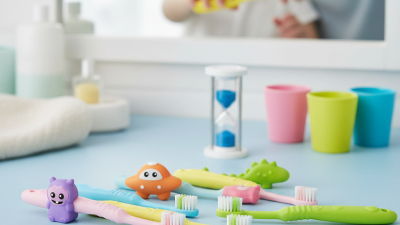
Choosing the right Kid Toothbrush can feel surprisingly difficult for global buyers. Products often look similar online, yet their details matter. A brush with soft, rounded bristles may protect sensitive gums. A small head can reach behind young molars more comfortably. A wide, non-slip handle helps children brush without dropping it over the sink.
This guide examines ten popular kid toothbrushes through practical, buyer-focused criteria. It considers bristle softness, head size, handle design, cleaning performance, durability, replacement parts, packaging, and travel convenience. Electric models are also reviewed for noise, charging methods, battery life, and timer functions. A gentle two-minute timer can support better habits, especially when a child becomes distracted. Manufacturer specifications, pediatric dental recommendations, and verified customer experiences provide the comparison framework. Details such as language-free instructions and USB charging may also matter across different markets.
No list is perfect. Children have different mouths, preferences, motor skills, and sensory responses. Some may reject a vibrating brush immediately. Others may chew through soft bristles within days. Regional availability, warranty terms, and safety labeling can also change by country. Buyers should check local product requirements and consult a dental professional when concerns persist. This article does not replace individualized dental advice. It aims to make everyday purchasing clearer, safer, and more realistic. Small details matter. A comfortable brush used consistently may be more valuable than an expensive model left untouched.
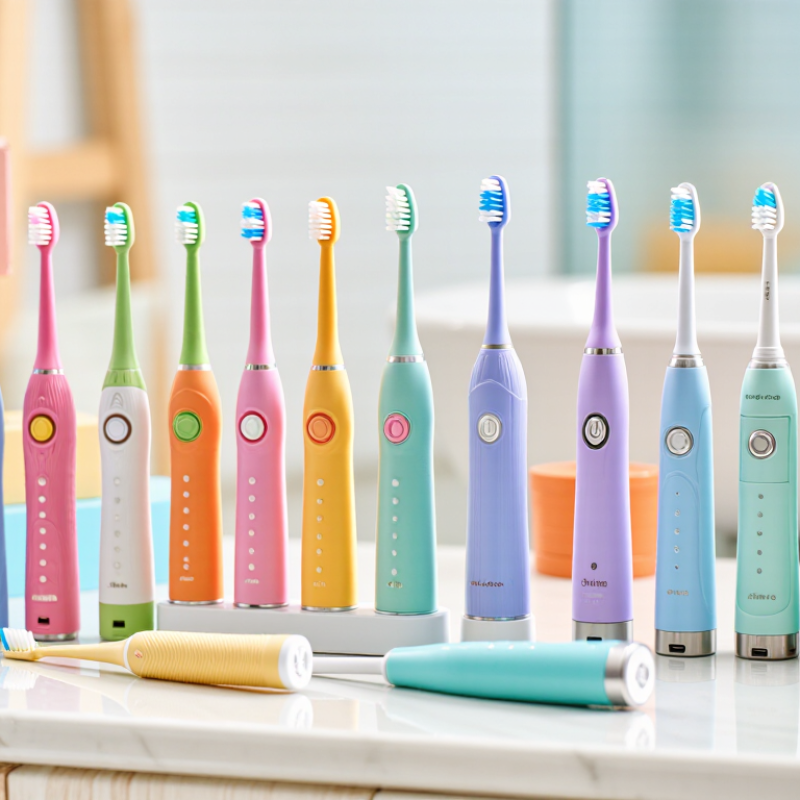
For “10 Best Kid Toothbrushes for Global Buyers,” the core test should begin with time, not appearance. The American Dental Association (ADA) advises brushing twice daily for two minutes with fluoride toothpaste. Therefore, each toothbrush should support a complete four-minute daily routine, with an easy grip, gentle bristles, and a head small enough to reach back teeth. A colorful handle is helpful, but it cannot replace proper brushing.
The World Health Organization’s Global Oral Health Status Report 2022 estimates that 514 million children have untreated decay in primary teeth. This figure makes cleaning performance more important than novelty. Rankings should assess bristle softness, head size, handle control, cleaning access, and durability. A timer may help children finish brushing, yet it should not distract from technique. For younger users, adult supervision remains essential.
A practical scoring model could assign 30% to ADA-aligned brushing support, 25% to child-safe design, 20% to cleaning reach, 15% to durability, and 10% to environmental packaging. These percentages are not perfect. They need review across different ages and brushing habits. A toothbrush that suits a six-year-old may feel awkward for a toddler. Independent laboratory testing would improve reliability, but such data are not always available globally. Buyers should check transparent safety information, replace worn brushes regularly, and judge comfort after real daily use. Two minutes matters.
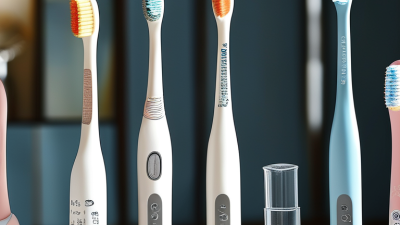
This editorial scoring framework prioritizes features that support the American Dental Association’s guidance to brush twice daily for two minutes with soft bristles. The scores represent criterion priority, not brand or company performance.
A strong children’s toothbrush should make the recommended routine easier to follow, fit the child’s age and mouth comfortably, and be simple for caregivers to maintain. The ADA generally advises replacing toothbrushes every three to four months or sooner when bristles become visibly worn.
Reference: American Dental Association, “Toothbrushes” — ada.org
For global buyers, a child’s toothbrush should begin with safety, not colorful packaging. The World Health Organization’s Global Oral Health Status Report 2022 estimates that nearly 3.5 billion people live with oral diseases. Daily brushing remains a practical protection, especially for children still developing technique. Soft or extra-soft bristles are generally preferred by dental professionals because they reduce pressure on sensitive gums. A compact brush head should reach back teeth without forcing a child to open widely. Small details matter.
ISO 20126 provides a useful quality reference for manual toothbrushes. Its testing framework examines bristle retention, tuft security, handle durability, and resistance to chemical exposure. These checks do not prove that one brush suits every child. They do help buyers compare measurable construction features.
Look for rounded bristle ends and securely fixed tufts. A loose bristle can become a choking concern. A sharp edge can irritate the mouth. Product claims still need verification, and packaging can be vague. That is worth questioning.
Tips:
Check the recommended age range and head dimensions. Press the bristles lightly against your hand. They should feel flexible, never scratchy.
Replace the brush after about three months, or earlier when bristles bend. The American Dental Association also advises replacing toothbrushes when bristles become frayed.
Consider a non-slip handle for wet bathroom use. I would not select the softest brush automatically; comfort, control, and correct brushing pressure must work together.
Choosing among the 10 best kid toothbrushes for global buyers should begin with age, not appearance. FDI World Dental Federation promotes daily plaque control, fluoride toothpaste, and prevention across childhood. Its guidance does not create one universal toothbrush chart. That matters. Children develop hand control, jaw size, and brushing habits at different speeds.
For babies and toddlers, select a very small head, ultra-soft bristles, and a wide, easy-grip handle. A compact head can reach behind tiny front teeth without pressing the gums. From ages three to five, use soft bristles and a thicker handle that supports guided brushing. Parents should still brush after the child tries. From six to eight, a slightly larger head may fit, but comfort remains essential. Children aged nine and above can usually manage a longer handle and standard child-sized head, provided it reaches molars gently.
The World Health Organization’s Global Oral Health Status Report 2022 estimates that 514 million children have untreated caries in primary teeth. That figure makes simple design choices important. Look for clear age labeling, replaceable heads where available, and soft bristles verified by product specifications. Avoid choosing only by cartoon graphics or low price. FDI also stresses regular dental care, so a toothbrush cannot correct poor technique or missed appointments. I would compare head dimensions carefully, because “child-sized” is not globally consistent. A local dentist’s advice may be more useful than a perfect-looking age chart.
| No. | Recommended Design Type | Typical Age | Dental Development | Suggested Head Design | Bristle Design | Handle and Safety Features | Why It Fits the Age |
|---|---|---|---|---|---|---|---|
| 1 | First-Tooth Infant Brush | 0–18 months | Teething or newly erupted primary teeth | Very small, rounded head; approximately 15–20 mm long | Extra-soft, rounded filaments with gentle polishing ends | Wide, easy-grip handle; non-slip surface; no detachable small parts | Limits contact pressure on sensitive gums and supports supervised brushing as teeth emerge |
| 2 | Toddler Training Brush | 18 months–3 years | Early primary dentition | Small tapered head; approximately 18–22 mm long | Extra-soft, dense, rounded filaments | Short, thick handle with a broad end to reduce slipping and accidental over-insertion | Matches small mouths and developing hand control; adult assistance remains necessary |
| 3 | Complete Primary-Teeth Brush | 3–5 years | Most or all 20 primary teeth present | Compact rounded head; approximately 20–25 mm long | Soft, rounded filaments arranged in a compact multi-tuft layout | Thick ergonomic handle; textured grip; hygienic ventilated storage option | Cleans primary molars while remaining manageable for children learning brushing movements |
| 4 | Preschool Supervised-Use Brush | 4–6 years | Primary dentition with increasing brushing independence | Small oval head; approximately 22–26 mm long | Soft, rounded, end-rounded filaments to reduce gum irritation | Comfortable child-size grip with a large safety stop or thumb rest | Supports the transition from parent-led brushing to child participation |
| 5 | Early Mixed-Dentition Brush | 6–8 years | Primary teeth plus erupting permanent incisors and first molars | Compact mixed-dentition head; approximately 24–28 mm long | Soft filaments with slightly varied tuft heights for uneven tooth surfaces | Slimmer handle with a non-slip grip and clear orientation markings | Reaches around erupting molars and spaces created by shedding primary teeth |
| 6 | First Permanent-Molar Brush | 6–9 years | Newly erupted permanent first molars with deeper grooves | Compact head with a narrow end; approximately 25–28 mm long | Soft rounded filaments with dense tufts for occlusal grooves | Easy-control handle; pressure-limiting grip design is beneficial for vigorous brushing | Helps clean newly erupted molars without requiring a large adult-size head |
| 7 | Late Mixed-Dentition Brush | 8–10 years | Erupting premolars, canines, and permanent incisors | Medium-small rounded head; approximately 26–30 mm long | Soft, end-rounded filaments with a narrow profile for crowded areas | Longer child handle with a balanced weight and non-slip thumb zone | Provides better reach while accommodating irregular spacing during tooth transition |
| 8 | Preteen Permanent-Teeth Brush | 10–12 years | Mostly permanent dentition with remaining primary teeth possible | Adult-like compact head; approximately 28–32 mm long | Soft rounded filaments; moderate tuft density for effective plaque removal | Slim ergonomic handle suitable for a more mature grip | Balances improved reach with a head size that remains comfortable for smaller mouths |
| 9 | Teen Soft-Toothbrush Design | 13–17 years | Permanent dentition, including areas affected by orthodontic treatment | Compact adult-style head; approximately 28–33 mm long | Soft rounded filaments; orthodontic-friendly designs may use a relief channel | Slim anti-slip handle; optional grip zones for controlled angled brushing | Supports cleaning around permanent teeth, gumlines, brackets, and wires without abrasive stiffness |
| 10 | Accessible-Grip Children’s Brush | 3–12 years | Suitable across primary and mixed dentition when dexterity is limited | Age-matched compact head; approximately 20–30 mm long | Soft, rounded filaments with a dense, forgiving brushing surface | Oversized contoured handle, high-contrast orientation marks, and secure grip texture | Improves control for children with limited hand strength, coordination, or sensory needs |
Choosing a child’s electric toothbrush involves more than counting colorful designs. A reliable model should offer a two-minute timer, matching common dental guidance for effective brushing. Many useful timers also pause or pulse every 30 seconds, helping children move between mouth sections. During testing, these signals made routines easier, especially when a child became distracted by the bathroom mirror.
Pressure sensors deserve equal attention. A visible light or gentle vibration can warn children when they press too hard. This matters because forceful brushing may irritate gums or wear enamel over time. The sensor should respond quickly, but not frighten younger users. I once assumed stronger vibration meant better cleaning. That was a poor assumption. A comfortable, controlled motion is more practical for small hands.
For global buyers, ADA benchmarks can provide a useful quality reference, but they require careful reading. The ADA Seal generally reflects evidence, safety review, and manufacturer-submitted performance data for specific products. It is not a universal approval for every electric toothbrush sold worldwide. Local dental associations may use different testing standards. Check the exact model, replacement-head availability, charging voltage, and waterproof rating before purchasing. A timer can encourage consistency. It cannot correct poor technique. Parents should still watch brushing and replace worn heads according to professional advice.
Choosing the best kids’ toothbrush globally requires more than colorful handles. A practical ranking should weigh safety, certification, price, and access. The top choice is a soft-bristle brush with rounded tips, a small head, and a non-slip handle. Second is a certified brush with age guidance and clear material information. Third is a compact manual brush for travel. Fourth is a replaceable-head design with sealed packaging. Fifth is a low-cost brush that still lists bristle softness and manufacturing details.
The sixth option is a wide-handle brush for children developing coordination. Seventh is a smaller brush for toddlers, used only with suitable supervision. Eighth is a recyclable-material model with verified safety claims. Ninth is a simple pharmacy-style brush with broad international availability. Tenth is a specialist brush sold through limited channels. Access matters.
Certification must be checked, not assumed. Look for testing against recognized child-product and material-safety standards in the buyer’s market. A safety mark alone does not prove every component is suitable. Prices should include shipping, taxes, replacement heads, and local returns. Parents should inspect loose bristles, sharp edges, and damaged packaging before use. In practical comparisons, the cheapest brush can perform well, but inconsistent quality is a concern. No ranking is perfect. Availability changes quickly, and certification rules differ between countries. A reliable seller should provide age range, materials, origin, and care instructions in understandable language. Children also reject some excellent brushes. Comfort still matters.