Inquiry
Form loading...

10 Best Rubber Interdental Brushes for Global Buyers?

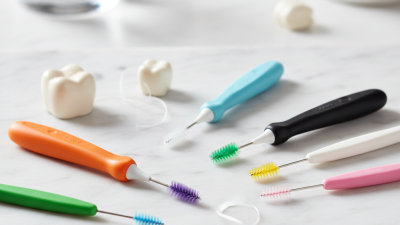
Choosing among the 10 Best Rubber Interdental Brushes for Global Buyers requires more than comparing colors, prices, or package sizes. A reliable choice should reflect clinical fit, material quality, user comfort, and consistent manufacturing. The right Rubber Interdental Brush should pass gently between teeth without forcing the gums. It should also provide a stable grip, flexible cleaning tips, and clear instructions.

Fit matters most.

Professor Ian Needleman, a respected periodontist and researcher in preventive dentistry, has emphasized, “Interdental cleaning should be tailored to the individual.” This principle guides our comparison. Tooth spacing varies widely. So do gum sensitivity, dexterity, orthodontic needs, and cleaning habits. A brush that feels comfortable in a spacious molar gap may irritate a narrow front-tooth space. That detail is easy to miss.

This guide examines practical features for international buyers. We consider brush diameter, rubber softness, handle design, packaging, hygiene claims, durability, and product documentation. We also look at manufacturing transparency and suitability for different consumer groups. Availability can change across regions. Specifications may differ between markets.

Not every popular product deserves equal trust. Some descriptions sound impressive but provide little measurable evidence. That is worth questioning. A few brushes may feel excellent at first yet lose shape after repeated use. Others may be affordable but difficult to control.

Our selection is practical, not absolute. Personal dental advice still matters, especially when bleeding or persistent discomfort appears. Used correctly, a Rubber Interdental Brush can make daily cleaning simpler, gentler, and more realistic for global users.
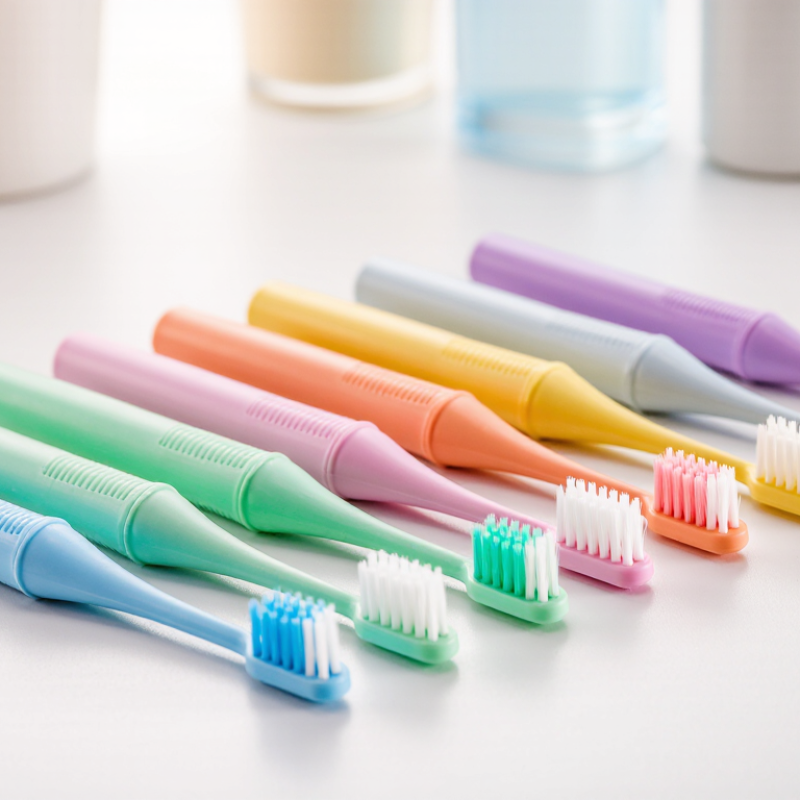
10 Best Rubber Interdental Brushes for Global Buyers?

What Are Rubber Interdental Brushes and Who Should Use Them?

Rubber interdental brushes use soft, flexible rubber or elastomer tips to clean between teeth. Unlike metal-core brushes, they usually feel smoother against sensitive gums. The tips can loosen trapped food and gently stimulate the gumline. They do not whiten teeth. That distinction matters.

They may suit people with mild gum sensitivity, orthodontic appliances, fixed bridges, or implant-supported crowns. Their wider handles can also help users with limited hand control. A dentist or hygienist can recommend the correct size after checking each gap. The tip should enter with light resistance, never forcefully. If it bends immediately, it may be too small. If it causes pain, stop. People with rubber or latex allergies should verify the material before use.

Rubber brushes are less suitable for extremely tight contacts. Floss or another appropriately sized cleaner may work better there. They also cannot replace toothbrushing, professional examinations, or treatment for gum disease. Slight bleeding can happen when inflamed gums are cleaned, but repeated bleeding, swelling, or tenderness needs dental assessment. Do not scrub harder. That often worsens irritation. Users sometimes rush across the front teeth and miss molars, especially around braces. Slow, gentle movements usually provide better coverage. Their softness feels reassuring, but comfort alone does not prove effective cleaning.
How to Evaluate Rubber Interdental Brushes for Different Oral Needs

When evaluating rubber interdental brushes, match the design to the user’s oral anatomy, not only the package size. The WHO Global Oral Health Status Report 2022 estimates that nearly 3.5 billion people live with oral diseases. However, one brush cannot suit every mouth. Tight contacts need a slim, flexible tip. Wider spaces may require a larger diameter and firmer support. Bleeding gums also need care. Gentle pressure matters more than aggressive scrubbing.

Clinical evidence remains less certain than many advertisements suggest. A Cochrane review found low-certainty evidence for several interdental cleaning methods, partly because studies used different designs and follow-up periods. That uncertainty deserves attention. For daily users, inspect rubber softness, tip recovery, handle control, and cleaning access around crowns, bridges, or orthodontic appliances. The ISO 16409 standard offers a useful reference for manual interdental brush dimensions and performance, but buyers should still assess real mouth comfort.

Try one size first. Stop if pain persists.

For sensitive gums, select a smooth elastomer surface without sharp edges. For implants, ask a dental professional about safe clearance and technique. A practical test is simple: the brush should enter with light resistance, clean the side surfaces, and avoid forcing the gum. Packaging should state dimensions clearly and provide traceable manufacturer information. Product testing data is valuable, yet user feedback can reveal problems that laboratory measurements miss. That gap is worth reviewing.

Ten Leading Rubber Interdental Brushes for International Buyers

For international buyers, rubber interdental brushes offer a gentle option for daily plaque removal. Their soft, flexible tips can suit users who dislike metal wires or tight floss. The need is substantial. The WHO Global Oral Health Status Report 2022 estimates that oral diseases affect nearly 3.5 billion people worldwide. Many adults still clean only visible tooth surfaces.

Evidence remains useful, but not perfect. A Cochrane review on interdental cleaning found that interdental brushes may reduce plaque and gingivitis compared with toothbrushing alone. However, the review rated much of the evidence as low or very low certainty. That matters. Buyers should avoid exaggerated claims about guaranteed periodontal protection. Clinical advice should guide product selection, especially for implants, braces, bleeding gums, or large interdental spaces.

For international purchasing, focus on measurable details.

Check tip diameter, handle length, material safety documentation, packaging language, and batch traceability. ISO 16409 provides relevant guidance for manual interdental brushes, including functional and dimensional considerations.

A flexible rubber tip should enter comfortably without force. It should not collapse after one gentle pass.

Small sizes may fit crowded front teeth, while larger sizes can serve wider molar spaces. But one size rarely fits every mouth.

Packaging should explain replacement frequency and cleaning instructions clearly. Independent testing is valuable, although test conditions may not reflect every user’s brushing habits.

That limitation deserves attention.

How Brush Size, Handle Design, and Materials Affect Performance

10 Best Rubber Interdental Brushes for Global Buyers?

Brush size strongly affects cleaning performance. A brush that enters gently can remove plaque between teeth without forcing the gums. Too small, however, may leave food deposits behind. Too large may bend, scrape, or feel painful. Size charts are useful, but they are not universal. Tooth spacing, gum sensitivity, and orthodontic appliances can change the correct choice.

Handle design also matters during daily use. A wide, non-slip handle helps users control short movements, especially with wet fingers. A flexible neck can reach back molars, while a firm shaft may provide better pressure control. Rubber filaments feel softer than bare wire and may suit sensitive users. However, softness can reduce cleaning efficiency in tight spaces. My practical view is simple: comfort encourages regular use, but comfort alone does not prove effective plaque removal.

Tips: Test one size without force. The brush should pass with light resistance. Replace it when filaments flatten, split, or collect debris. Buyers should check material declarations, dimensions, packaging language, and applicable safety documentation for their market. Latex-free materials may reduce allergy concerns, but users with known sensitivities should verify every component. Even careful testing has limits; a dental professional can assess difficult gaps, bleeding, or persistent discomfort.

How to Choose, Use, Clean, and Replace an Interdental Brush

Choosing a rubber interdental brush starts with fit, not color or package size. The brush should enter gently and clean the side surfaces of your teeth. Never force it through a tight contact. A dental professional can check the correct size, especially around crowns, bridges, or braces. Global buyers should compare millimeter measurements, handle length, and cleaning instructions rather than relying on “small” or “large” labels.

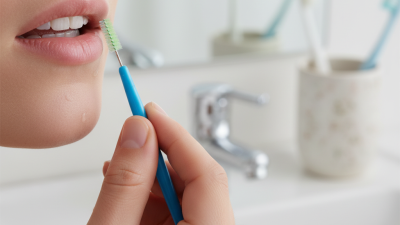
Use the brush once daily, preferably after brushing your teeth. Insert it slowly with a slight angle toward the gumline. Move it back and forth a few times. Gentle pressure is enough. If the gums bleed during the first week, mild irritation may be present, but repeated bleeding needs professional advice. I once used a brush that was too large, and my gums felt sore for days. That mistake changed my routine.

Clean the brush under running water after every use. Rub the rubber tip lightly with clean fingers to remove trapped debris. Let it air-dry in a ventilated place. Avoid sharing it, storing it wet, or using harsh household cleaners. Inspect the tip before each use. Replace it when the rubber bends, tears, loses its shape, or develops an unpleasant smell. Replacement timing varies with use and product guidance. A brush may look acceptable while its cleaning action has already weakened.

10 Best Rubber Interdental Brushes for Global Buyers? - How to Choose, Use, Clean, and Replace an Interdental Brush

Comparison data are practical purchasing guidelines. Working diameters are indicative; users should confirm the actual product diameter and select a brush that fits comfortably without force.
Rank Rubber Interdental Brush Type Best Use Case Typical Working Diameter Handle and Access Key Selection Criteria How to Use Cleaning and Replacement
1 Extra-Slim Tapered Rubber Brush Very tight spaces, crowded teeth, and first-time users Approximately 0.4–0.6 mm at the working tip Short or compact handle; easy to control at the front teeth Choose a tip that enters without pressure or bending the wire-free core Insert gently until the rubber filaments contact the tooth sides, then use a few short back-and-forth movements Rinse after every use, air-dry, and replace when filaments deform, split, or feel rough; many users replace it after about 1–2 weeks of regular use
2 Small Straight Rubber Brush Narrow anterior gaps and routine daily cleaning Approximately 0.6–0.8 mm Straight handle; simple for controlled horizontal access Look for a smooth, flexible core and a handle that remains rigid during use Keep the brush parallel to the gum line and avoid forcing it through a tight contact point Rinse thoroughly and inspect daily; replace at the first sign of wear or loss of shape
3 Medium Tapered Rubber Brush Average interdental spaces and general adult use Approximately 0.8–1.2 mm Standard handle; balanced for front and back teeth A tapered profile can cover more than one gap size, but it should not be used to enlarge a contact Use the narrow end first and make one or two gentle passes through each suitable space Wash with clean running water; do not share; replace when the tip becomes compressed or detached
4 Large Rubber Brush Wider spaces caused by gum recession, missing papillae, or tooth spacing Approximately 1.2–2.0 mm Longer handle can improve reach around molars Use only where the brush fits freely; larger is not automatically more effective Guide the brush through the open space without pressing the rubber against the gum tissue Rinse and dry completely; replace when the rubber becomes sticky, cracked, or permanently flattened
5 Angled-Handle Rubber Brush Back teeth, limited hand mobility, or difficult cheek access Usually available in narrow to medium sizes, about 0.6–1.2 mm Angled neck improves access to posterior spaces and reduces wrist rotation Check the neck strength, grip texture, and angle for the user’s preferred hand Place the tip at the gum line and use light strokes rather than twisting the handle Rinse around the angled neck and allow it to dry; replace if the neck loosens or the tip bends
6 Long-Handle Rubber Brush Users who need additional reach or a larger gripping surface Commonly 0.6–1.5 mm, depending on the interchangeable size Extended handle supports a relaxed grip and easier molar access Prioritize a non-slip grip, secure tip connection, and manageable overall length Hold near the middle of the handle and use gentle, short movements on each side of the gap Clean the handle as well as the tip; replace the insert or complete brush according to wear
7 Multi-Size Rubber Brush Set Users with different gap sizes across the mouth Typically includes several sizes from about 0.4 to 2.0 mm May include color-coded handles or size markings for identification Confirm whether the diameter refers to the tip, the rubber-covered section, or an ISO PHD equivalent Use the smallest size that cleans the space effectively; different gaps may require different sizes Keep sizes separate and dry; replace individual brushes independently when worn
8 Orthodontic-Friendly Rubber Brush Cleaning around brackets, archwires, and retainers Usually narrow to medium, approximately 0.6–1.2 mm A flexible, rounded tip is preferable around orthodontic components Check that the material is latex-free if required and that the tip does not snag wires Clean under the wire and around brackets with light pressure; do not use the brush to move orthodontic hardware Rinse after use and inspect for trapped debris; replace immediately if the tip becomes rough or catches
9 Travel-Cap Rubber Brush Work, travel, meals away from home, and portable oral-care kits Most often 0.6–1.2 mm Protective cap or compact folding format; useful where storage space is limited Look for ventilation openings, a secure cap, and a package that protects the clean tip Rinse before capping and use only after excess water has drained from the brush Do not store wet in a sealed cap for long periods; wash the cap regularly and replace when worn
10 Soft-Gum Comfort Rubber Brush Sensitive gums, mild tenderness, or users preferring a softer feel Approximately 0.5–1.0 mm, depending on the model Soft-touch grip and flexible rubber tip; control is more important than pressure Select a smooth, rounded design and stop if bleeding or pain persists; ongoing symptoms require dental advice Use a gentle brushing motion at the gum margin and never force the tip into a resistant space Rinse with clean water, air-dry, and replace as soon as the rubber surface becomes damaged or discolored
Global Buyer Checklist: Confirm the actual working diameter, material composition, latex status when relevant, country-specific packaging and instructions, hygiene packaging, handle dimensions, quantity per pack, storage guidance, and disposal requirements. Interdental brushes should slide into a suitable space without force; a dental professional can help determine the correct size when spaces vary or gums bleed repeatedly.