Why is Brushing Your Teeth Essential for Oral Health?
Maintaining good oral health is crucial for overall well-being. One fundamental practice is to regularly brush your teeth. Dr. Emily Carter, a renowned dentist, emphasizes this point: "Brushing your teeth is the first line of defense against cavities and gum disease." This simple act can prevent serious dental issues.
Brushing your teeth removes food particles and plaque. If neglected, plaque can harden into tartar, which is much harder to eliminate. Many people forget to brush regularly or rush through it. This can lead to a buildup of bacteria. Over time, this negligence may result in painful cavities or gum issues.
We must reflect on our brushing habits. Are we truly dedicating enough time? The American Dental Association recommends brushing for two minutes twice a day. It's easy to overlook this advice. Yet, a brief, consistent commitment can lead to a lifetime of healthy teeth. In the journey to brush tooth effectively, awareness and discipline are key.
The Role of Tooth Brushing in Preventing Cavities and Tooth Decay
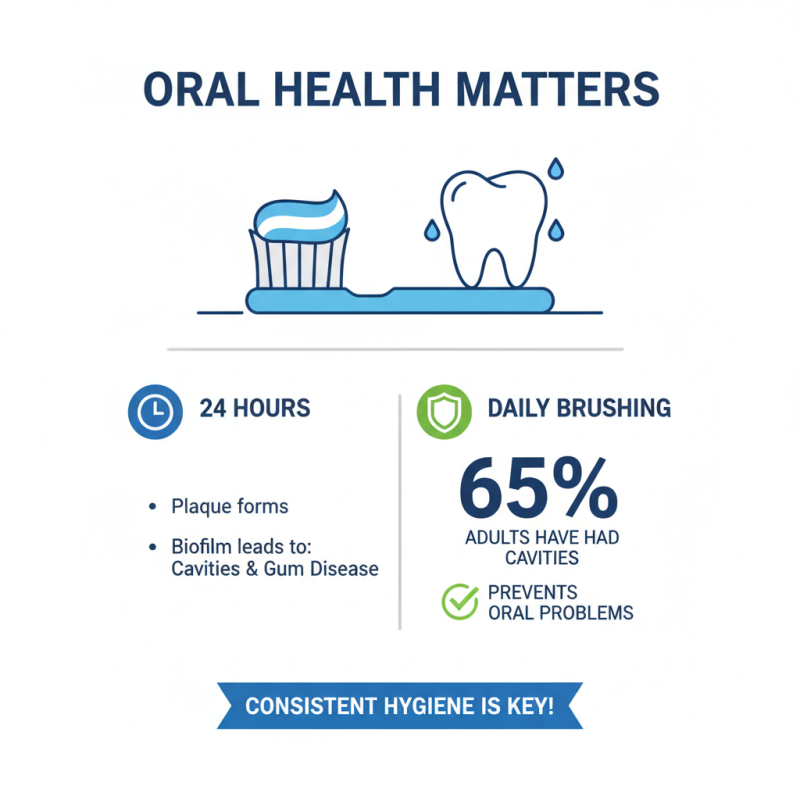
Brushing your teeth plays a significant role in preventing cavities and tooth decay. The American Dental Association states that regular brushing can reduce plaque buildup by up to 80%. Plaque is a sticky film of bacteria that can lead to decay if not removed. Daily brushing is essential for maintaining oral health.
Tooth decay can develop quickly. Studies show that over 90% of adults have experienced cavities at some point. This statistic is concerning but not uncommon. It highlights the importance of proper dental hygiene. Even with regular brushing, many people overlook some vital areas. Molars, for example, are often neglected, which leads to decay.
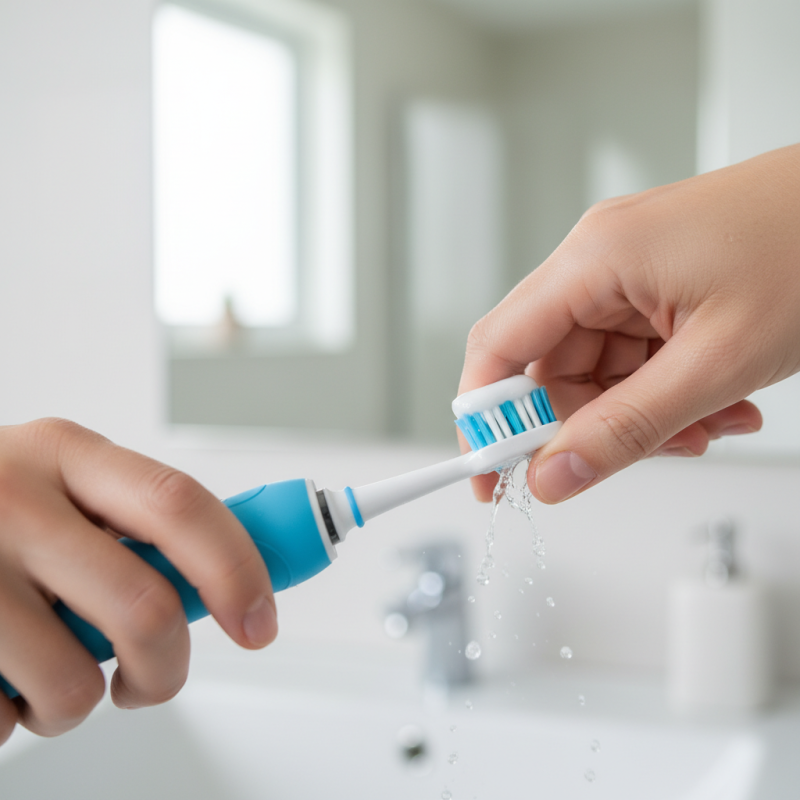
Tips: Aim for two minutes of brushing twice a day. Use a soft-bristled toothbrush to avoid damaging your gums. Don't forget to replace your toothbrush every three months. Being consistent is key. Don't brush too hard; it can cause gum damage. Practice mindfulness while brushing to ensure you cover all areas evenly.
Importance of Tooth Brushing for Oral Health
This chart illustrates the correlation between the frequency of tooth brushing and the percentage of cavity cases. Regular brushing significantly reduces the likelihood of developing cavities, highlighting the importance of maintaining oral hygiene.
The Relationship Between Oral Hygiene and Gum Disease Incidence
Gum disease is a common issue for many people. It often starts with poor oral hygiene habits. When plaque builds up on teeth, it hardens into tartar. This process can lead to inflammation of the gums. As gums become sore, they may bleed easily. This is the first sign of gum disease. If ignored, it can worsen.
Consistent brushing can drastically reduce gum disease risk. For effective cleaning, brushing should be done twice daily. Each brushing session should last at least two minutes. Flossing is equally important to remove food particles between teeth. Many people skip this step. This negligence leads to bacteria accumulation. Over time, these bacteria can cause serious oral health issues.
Regular dental check-ups are vital for maintaining gum health. During these visits, professionals can identify issues early. However, some individuals might feel nervous about visiting the dentist. This fear can prevent them from getting necessary care. Ignoring oral hygiene can create larger problems later. A little daily care can prevent a lot of pain in the future.
Recommendations from Dental Professionals on Effective Brushing Techniques
Brushing your teeth is fundamental for maintaining oral health. However, many overlook the technique. Proper brushing involves more than just movement. It’s about the method and timing too. Dental professionals suggest using a soft-bristled brush. It’s gentle on the gums and effectively removes plaque.
When brushing, hold the toothbrush at a 45-degree angle. This position reaches the space between gums and teeth. Use short, gentle strokes. Brushing should last at least two minutes to be effective. Yet, many rush and miss crucial areas. Pay attention to the back teeth. Often, they are neglected and can lead to cavities.
Changing your brushing routine can also help. Some people forget to replace their toothbrush regularly. A worn-out brush won’t clean effectively. A general rule is to change it every three months. Flossing should complement brushing, as it removes food particles in hard-to-reach places. Remember, oral hygiene is a daily commitment, not just an occasional practice.
Why is Brushing Your Teeth Essential for Oral Health? - Recommendations from Dental Professionals on Effective Brushing Techniques
| Technique |
Description |
Recommended Duration |
Frequency |
Additional Tips |
| Circular Motion |
Gently brush in circular motions to effectively remove plaque. |
2 minutes |
Twice daily |
Use a soft-bristled brush. |
| Angle Technique |
Hold the toothbrush at a 45-degree angle to the gums for better cleaning. |
2 minutes |
Twice daily |
Focus on gum line and hard-to-reach areas. |
| Back-and-Forth |
Use gentle back-and-forth strokes on chewing surfaces. |
2 minutes |
Twice daily |
Avoid aggressive brushing to prevent enamel wear. |
| Flossing |
Clean between teeth using dental floss or interdental brushes. |
2 minutes |
Once daily |
Be gentle to avoid injuring gums. |
Long-term Effects of Neglecting Oral Hygiene on Overall Health
Neglecting oral hygiene can lead to severe long-term health issues. Inadequate brushing and flossing allow plaque to accumulate. Plaque hardens into tartar, which can cause gum disease. This condition can lead to tooth loss and painful infections. Many overlook these risks, thinking that bad breath is the worst consequence.
Gum disease is not just about the mouth. It can contribute to heart disease and diabetes. Inflammation from gums can travel through the bloodstream. It can affect other organs, increasing the risk of serious conditions. Teeth grinding and neglected cavities can worsen stress levels. The constant worry about dental pain can impact mental health.
Routine oral care is critical for overall wellness. Missing a day of brushing may seem harmless. Over time, it creates a snowball effect. Small issues become big problems, leading to costly treatments. A simple care routine can prevent future complications. Reflecting on one's habits can reveal surprising insights into overall health. It's worth considering the impact of neglect.