2026 How to Choose the Best Denture Toothbrush for Your Needs?
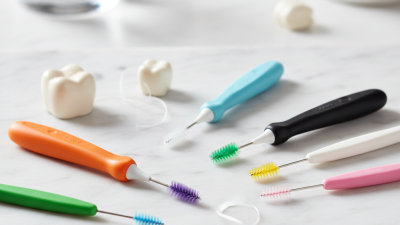
Choosing the right denture toothbrush is crucial for maintaining oral health. A good denture toothbrush can significantly impact cleanliness and comfort. With many options available, it’s essential to understand what to look for.
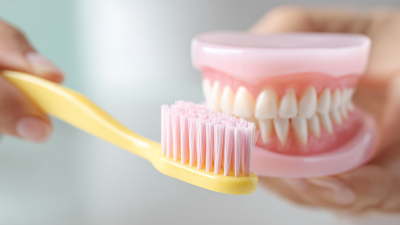
Denture toothbrushes have unique features. They often have softer bristles and specialized shapes to clean critical areas of dentures. This is important for avoiding scratches. You want a toothbrush that is gentle yet effective. Different designs cater to various denture types, which can become overwhelming.
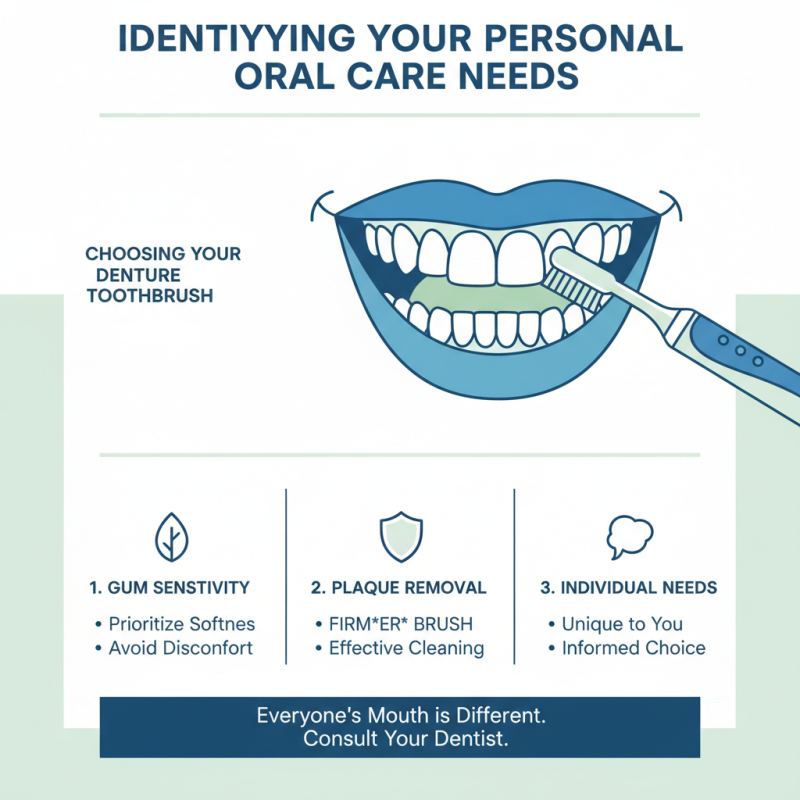
Think about your specific needs. Some users prefer handheld designs, while others find electric options more convenient. The material of the bristles matters too. Quality brushes last longer and offer better cleaning. Don’t overlook personal comfort; a comfortable handle can make a difference. Reflect on your experience with your current toothbrush. Are you satisfied? If not, is it time to explore new options?
Understanding the Unique Features of Denture Toothbrushes
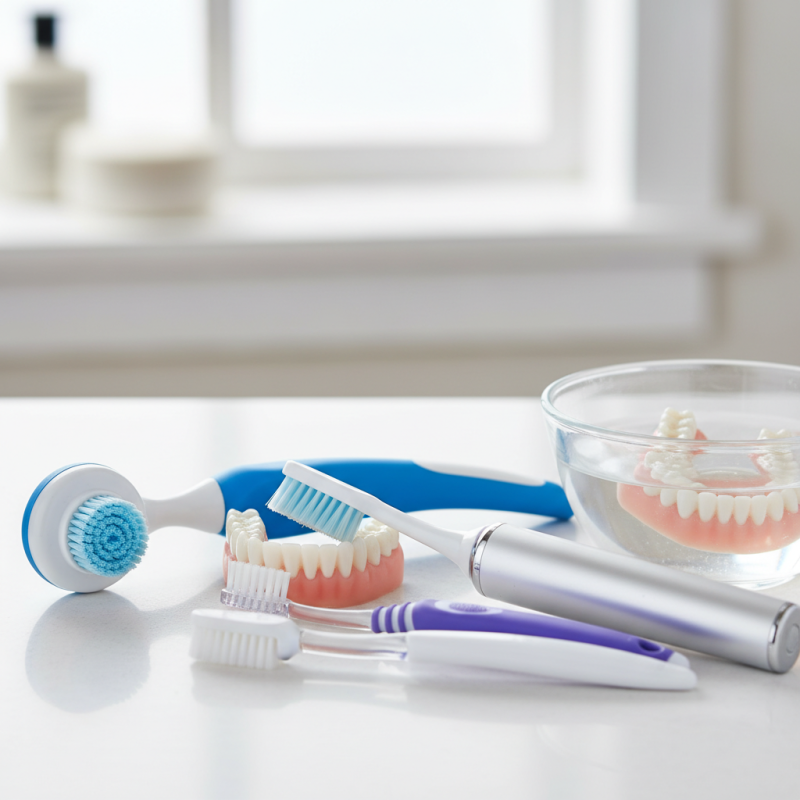
When choosing a denture toothbrush, it's essential to understand the unique features that make them effective for cleaning dentures. These toothbrushes often have soft bristles, designed to prevent scratches on the denture surface. This helps maintain the integrity and appearance of your dentures over time. A non-slip grip is also crucial, providing comfort and control during brushing.
Tips: Look for a toothbrush with an ergonomic design. This can make brushing easier, especially if you have limited dexterity. Also, consider the bristle head size. A smaller head can reach tight spaces more effectively.
Many denture toothbrushes include additional features like suction bases. These allow the brush to stay in place between uses, reducing the risk of bacteria exposure. However, some users find them less stable. Experimenting with different designs can help you find what works best for your routine.
Tips: Store your toothbrush in a clean, dry place. Regularly replacing your toothbrush is also important. Maintaining a routine helps ensure your dentures stay fresh and clean.
Comparing Different Bristle Types for Denture Care
When choosing the best denture toothbrush, bristle type matters significantly. Soft and firm bristles serve distinct purposes. A study by the American Dental Association indicates that soft bristles are often recommended for sensitive gums. However, firm bristles can be effective in removing stubborn stains, though they may irritate gums if used excessively.
Tips: Look for toothbrushes with rounded bristles. They clean without damaging delicate denture surfaces. Regular cleaning is essential. Replace your toothbrush every three months for optimal hygiene.
Many users may not realize the importance of cleaning techniques. Some people scrub too hard, believing it improves cleanliness. Yet, this can lead to wear on dentures and even gum inflammation. According to the Journal of Prosthetic Dentistry, improper cleaning with the wrong bristle type can result in bacterial buildup.
Tips: Use gentle, circular movements. This technique helps maintain denture integrity. Always follow up with a rinse after brushing to remove debris.
2026 How to Choose the Best Denture Toothbrush for Your Needs?
This chart compares the effectiveness scores of different bristle types for denture toothbrushes. Soft bristles provide the highest score, making them the best choice for gentle care. Medium and firm bristles score lower, indicating a harsher approach that may not be suitable for delicate denture maintenance.
Evaluating Handle Design and Grip for Comfort
When selecting a denture toothbrush, handle design and grip are crucial for comfort. A well-designed handle can make brushing more effective. Look for ergonomic shapes that fit comfortably in your hand. This prevents strain during use, especially for those with arthritis. The material of the handle matters too. A soft, textured grip can offer better control while brushing.
Consider the size and weight of the toothbrush as well. A lightweight toothbrush is easier to maneuver. Some may prefer a thicker handle for added stability. Testing how the toothbrush feels in your hand is important. You might find that some designs cause discomfort after prolonged use. Pay attention to this when making your choice.
Comfort often leads to better oral care habits. If a toothbrush feels awkward, you might brush less diligently. It’s essential to choose one that feels just right. Don't hesitate to experiment with different models until you find the best fit for your needs.
2026 How to Choose the Best Denture Toothbrush for Your Needs? - Evaluating Handle Design and Grip for Comfort
| Feature |
Importance |
Rating (1-5) |
Comments |
| Handle Design |
Affects ease of use |
4 |
Comfortable grip enhances brushing efficiency |
| Grip Material |
Prevents slipping |
5 |
Rubberized grips provide better control |
| Bristle Softness |
Gentle on gums |
5 |
Soft bristles reduce irritation |
| Size and Shape |
Access to hard-to-reach areas |
4 |
Compact heads work well for dentures |
| Durability |
Long-lasting use |
3 |
Some brushes wear out quickly |
Assessing Price and Brand Reputation in Your Selection
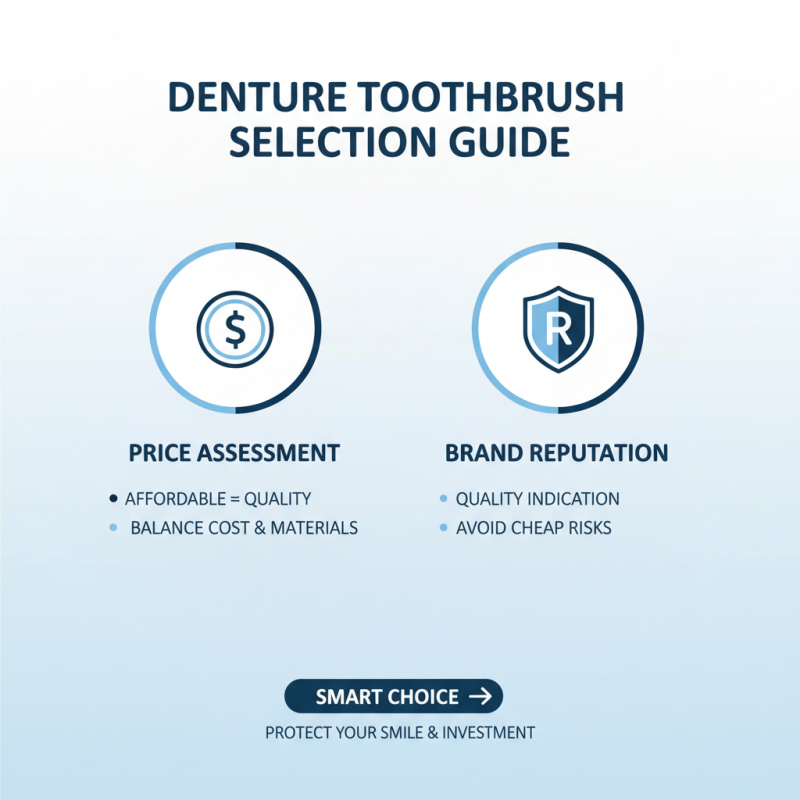
When selecting a denture toothbrush, price and brand reputation are crucial factors. A good toothbrush should not break the bank, but it should also reflect quality. It's tempting to opt for the cheapest option available. However, that choice may lead to ineffective cleaning and damage to your dentures. Prices can vary significantly, so it's wise to assess the materials and construction of the toothbrush before making a decision.
Brand reputation plays an important role in your selection process. Established brands often have a proven track record in dental care products. They typically invest in research and development. This investment usually translates to better product quality. However, smaller brands can offer innovative solutions at competitive prices. Always check user reviews and expert opinions. They can provide insights into a brand's reliability and performance.
Be mindful of marketing claims. Not all toothbrushes labeled as "premium" are worth the price. Sometimes, more expensive does not mean better. Look beyond advertisements and focus on functionality. If possible, consult with your dentist for guidance. They may have valuable recommendations based on your specific needs. Balancing price and reputation is challenging, but it's essential for maintaining your oral health.