How to Choose the Best Interdental Brush for Healthy Teeth?
Choosing the right interdental brush is crucial for maintaining optimal dental health. These small tools can significantly enhance oral hygiene. They effectively remove plaque from areas that regular toothbrushes cannot reach.
When selecting an interdental brush, consider the size and shape. The brush must fit comfortably between your teeth. A brush that is too large may cause gum damage. Additionally, the bristles should be fine yet firm enough to clean effectively.
Many users often overlook the importance of texture and handle design. A comfortable grip allows for better maneuverability. Moreover, different brands offer unique features. Experimenting with various options can lead to better results. A well-chosen interdental brush promotes healthier gums and fresher breath. Emphasizing the right choice will elevate your dental care routine.
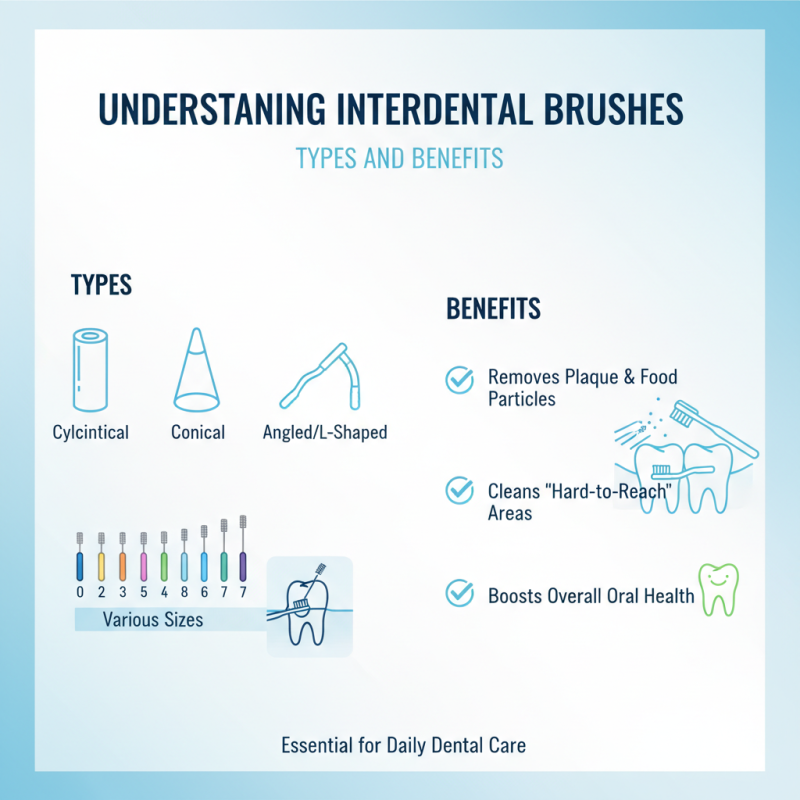
Understanding Interdental Brushes: Types and Benefits
Interdental brushes are essential for maintaining oral health. They come in various sizes and shapes, designed to clean between teeth effectively. These brushes remove plaque and food particles, areas where a toothbrush might miss, making them a crucial addition to daily dental care.
Choosing the right brush size is vital. A brush that’s too small won’t clean effectively, while one that’s too large can cause discomfort. Many people overlook this detail, leading to incomplete cleaning. Experimenting with different sizes can help you find what fits best. Pay attention to the unique spaces between your teeth.
Tips for using interdental brushes include gentle insertion. Don't force the brush, as this can damage gums. Cleaning at a 45-degree angle helps remove debris effectively. It may take time to develop a routine that feels comfortable. Don't hesitate to seek advice from your dentist if uncertain about the right size or technique. Regular use can significantly benefit your dental health.
Key Features to Consider When Choosing an Interdental Brush
Choosing the right interdental brush can significantly impact your oral health. When selecting an interdental brush, consider several key features.
First, the brush head size is crucial. A size too large may miss cleaning spaces, while a size too small might not be effective.
Studies suggest that over 60% of plaque accumulates between teeth, indicating the importance of proper cleaning tools.
Next, the bristle firmness is another vital factor. Softer bristles minimize the risk of injuring the gums, but they may require more effort to remove debris.
A 2023 Dental Hygiene Report highlighted that 72% of respondents preferred brushes with medium firmness for effective cleaning without discomfort.
Tip: Experiment with different sizes to find what fits best. Many people make the mistake of underestimating the importance of daily interdental cleaning.
A consistent routine can help prevent gum disease and decay.
Also, consider the handle design. A flexible handle enables easier maneuvering, especially for hard-to-reach areas.
Comfort plays a role in how often you use it. According to a survey, 55% of users opted out of flossing due to discomfort.
Tip: Assess your grip on the brush. Your comfort can affect your dental hygiene habits.
Regular check-ups are also essential, as professionals can advise you on the best tools for your unique dental structure.
Size Matters: Finding the Right Brush Size for Your Gaps
Choosing the right interdental brush is crucial for oral health. Size matters a lot when it comes to the gaps between your teeth. Research shows that about 80% of adults have some form of gum disease, often linked to improper cleaning between teeth. A brush that’s too big can be ineffective, while one that’s too small may not clean adequately.
When selecting sizes, consider the varying gaps between your teeth. Studies indicate that interdental brushes that match your gaps can reduce plaque by as much as 60%. Many users overlook this detail. Finding the right size can be a trial-and-error process. Think about your specific needs and adjust according to the sensitivity of your gums.
Tips: Always start with a smaller size. If it feels too easy, you can gradually move up. Listen to your mouth. If any pain occurs, that size may be too big. Regular dental check-ups will also help determine the best size for your mouth. Remember, your comfort is key in maintaining dental hygiene.
Material and Design: What to Look for in Bristles and Handles
When choosing an interdental brush, material and design play crucial roles. Look for bristles made from durable nylon or silicone. Nylon bristles are effective for cleaning and resist bending. They provide a gentle touch while removing plaque. Silicone bristles, on the other hand, offer a softer alternative. They can be more comfortable, especially for sensitive gums.
The design of the handle is equally important. A comfortable grip ensures better control during use. An ergonomic shape helps navigate hard-to-reach areas. Some brushes have flexible necks, which can adapt to the contours of your mouth. This feature allows for improved cleaning efficacy. Pay attention to the size of the brush too. A smaller brush may fit better between tight spaces, but a larger one might clean more effectively in wider gaps.
While selecting an interdental brush, consider your dental health needs. You might notice that softer bristles feel better, but they can sometimes leave plaque behind. A firmer brush may provide thorough cleaning but can irritate gums. It’s essential to find a balance that works for you. Regularly reassess your choice, as your dental needs may change over time. This reflection is crucial for maintaining oral health.
Tips for Effective Use and Maintenance of Your Interdental Brush
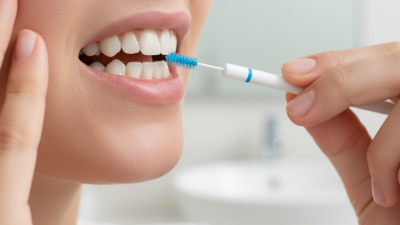
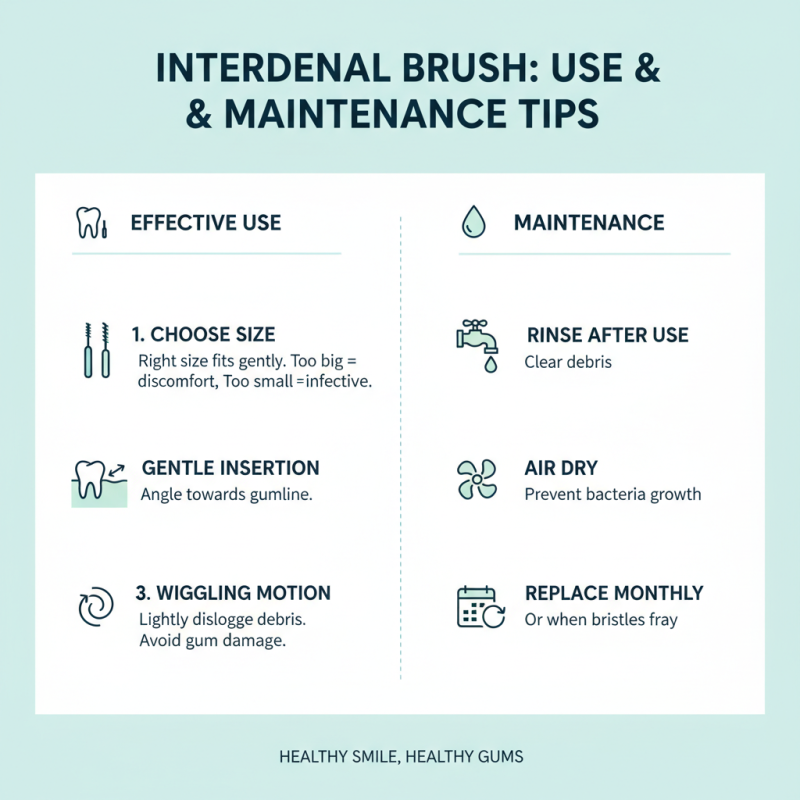
When using your interdental brush, proper technique makes a significant difference. Start by choosing the right size. A brush that is too large can cause discomfort. A smaller brush may not clean effectively. Insert the brush gently between your teeth, angling it toward the gumline. Use a light, wiggling motion. This technique helps dislodge debris without damaging your gums.
Maintenance is also key to effectiveness. After each use, rinse your brush thoroughly under warm water. This helps to remove plaque and food particles. Allow it to air dry completely. Consider replacing your brush every one to two weeks. Over time, the bristles can wear out, becoming less effective.
Reflect on how interdental brushing fits into your routine. Are you doing it consistently? If not, try setting a reminder. Also, be mindful of any discomfort during use. It’s essential to listen to your body. If pain occurs, reassess the brush size or consult a dental professional for guidance. Each step informs your dental health journey, leading you toward healthier teeth.