Why Is Choosing the Right Tooth Brush Essential for Your Oral Health?
Choosing the right toothbrush is crucial for maintaining good oral health. Dr. Sarah Williams, a leading expert in dental care, once stated, "A good toothbrush can be the difference between a healthy smile and a dental disaster." With so many options available, selecting the right toothbrush can feel overwhelming.
The toothbrush you choose affects plaque removal, gum health, and even bad breath. Soft bristles are often recommended for gentle cleaning. However, many people still opt for medium or hard bristles, thinking they are more effective. That’s a common misconception and can lead to gum damage.
It's important to reflect on your choices. Are you committed to changing your toothbrush regularly? Many people keep their brushes for too long, reducing their effectiveness. Pay attention to the wear and tear on your toothbrush. Choosing the right toothbrush is not trivial; it is a vital step in ensuring your overall health.
Importance of Oral Health and Its Impact on Overall Well-Being
Oral health is a vital component of overall well-being. Poor oral hygiene can lead to various issues. Tooth decay, gum disease, and bad breath are just a few consequences. These problems don’t just affect your mouth; they can impact your ability to eat, speak, and even smile with confidence. When oral health deteriorates, it can lead to systemic health issues, such as heart disease or diabetes.
Choosing the right toothbrush plays a crucial role in maintaining oral health. A brush that is too hard can damage gums, while one that is too soft may not effectively remove plaque. Many people underestimate the importance of regular brushing. It often feels mundane, but it is essential for removing food particles and preventing cavities. A lingering feeling of neglect can arise if proper care is not taken.
In addition, the connection between oral and mental health is undeniable. A healthy mouth contributes to a healthy mind. Anxiety about dental issues can affect self-esteem. Reflection on dental habits can help identify areas for improvement. Making conscious choices about oral hygiene, like selecting the appropriate toothbrush, empowers individuals to take control of their health journey.
Understanding Different Types of Toothbrushes and Their Functions
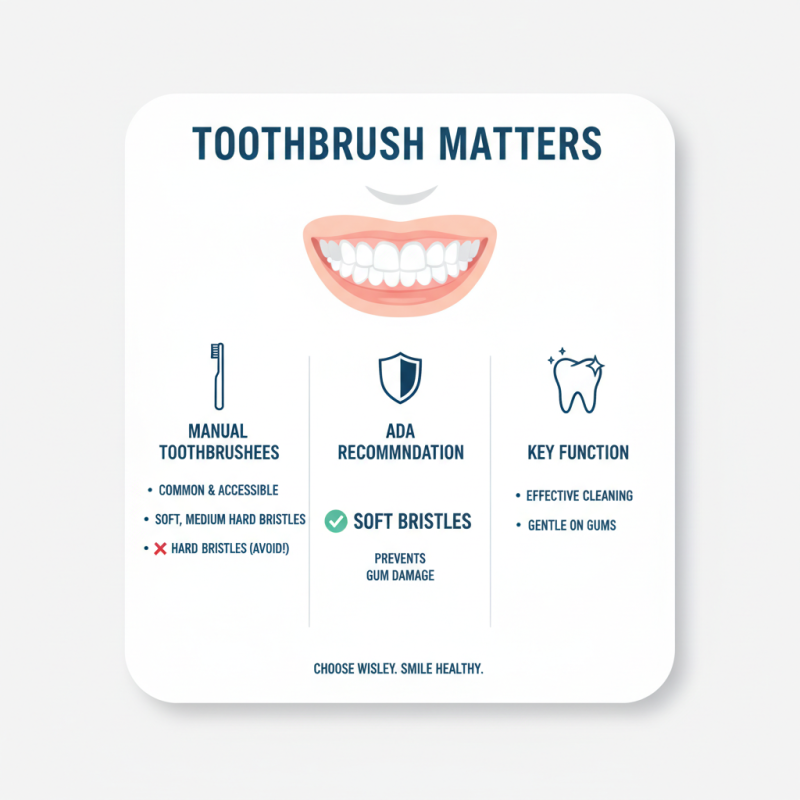
Choosing the right toothbrush matters. Different types serve varied functions. Manual toothbrushes are common. They come with soft, medium, and hard bristles. The American Dental Association (ADA) recommends soft bristles to prevent gum damage. Many people overlook this detail. A toothbrush should clean effectively yet gently.
Electric toothbrushes offer more cleaning power. Studies show they remove plaque better than manual brushes. For instance, a report found that they can reduce plaque by 21% over three months. This detail is compelling. Some users abandon electric brushes due to charging issues. They forget the potential benefits.
Specialty brushes exist as well. Interdental brushes target hard-to-reach areas. Children’s toothbrushes have smaller heads. They help kids develop good habits. Yet, parents might neglect the importance of these tools. Remember, not all brushes fit everyone’s needs. Finding the right one can be complex. It's worth considering personal habits and dental health.
Factors to Consider When Choosing a Toothbrush
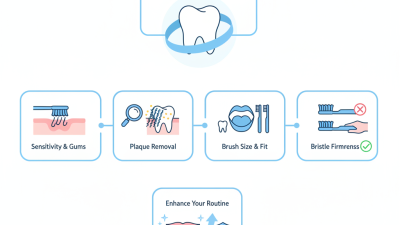
Choosing the right toothbrush is crucial for maintaining good oral health. There are several factors to consider when making your choice. One important aspect is the bristle type. Soft bristles are generally recommended. They are gentle on gums and still effective at cleaning teeth. Medium or hard bristles could cause damage over time.
Another factor is the size and shape of the toothbrush head. Opt for one that fits comfortably in your mouth. A smaller head allows better access to hard-to-reach areas. This can make a significant difference in plaque removal.
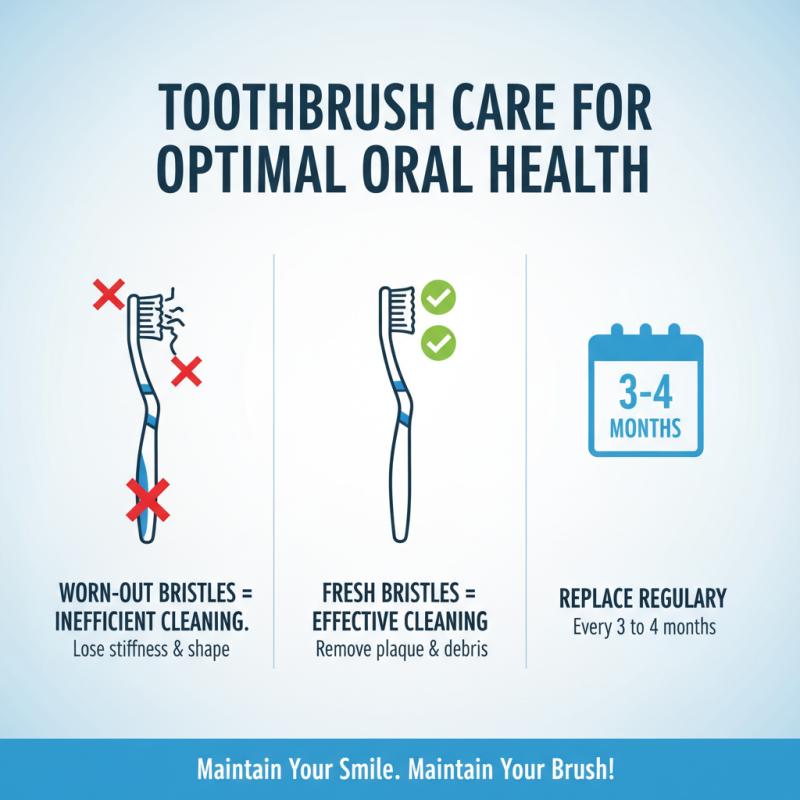
Tips: Always replace your toothbrush every three to four months. Worn bristles are less effective. If you notice bleeding gums, it might be time to change. Personalized toothbrush selection matters. Consider your dental condition as well. Consulting with a dentist can provide valuable insights.
Pay attention to handle design too. A comfortable grip is essential for effective brushing. A non-slip ergonomic handle can enhance your routine. Remember to brush twice a day, and don’t rush it. Take time to ensure thorough cleaning.
How Proper Toothbrush Selection Affects Brushing Technique
Choosing the right toothbrush is vital for effective oral care. A well-chosen toothbrush can significantly enhance brushing techniques, leading to better overall health. A study published in the Journal of Dental Research indicates that brushing with the right brush can reduce plaque accumulation by up to 21%. This statistic underscores the impact of proper tool selection on oral hygiene.
When selecting a toothbrush, consider bristle firmness. Soft bristles are often recommended by dental professionals. They clean effectively without damaging gums or enamel. Brushing too hard with a medium or hard-bristled brush can cause gum recession. Aim for gentle yet thorough strokes to maximize effectiveness.
Tips: Choose a toothbrush with a comfortable grip. This helps maintain control during brushing sessions. Replace your toothbrush every three months or sooner if bristles fray. Neglecting your brush can lead to ineffective cleaning, promoting cavities and gum disease. Remember, not all brushes are created equal, and your choice matters.
Impact of Toothbrush Type on Brushing Efficiency