10 Essential Tips for Choosing the Best Adult Toothbrush
Choosing the right adult toothbrush is crucial for maintaining good oral health. According to a recent report by the American Dental Association, nearly 80% of adults don't brush their teeth correctly, leading to significant dental issues. This emphasizes the importance of selecting an effective toothbrush. Dr. Sarah Thompson, a renowned expert in dental hygiene, states, "The right toothbrush can significantly influence your overall dental health."
Different toothbrushes feature various bristle types and designs. Hard bristles may cause gum damage, while softer bristles can effectively remove plaque without harming sensitive gums. Additionally, electric toothbrushes have shown to reduce plaque by 21% more than manual brushes, according to a study published in the Journal of Clinical Dentistry. However, not everyone needs an electric toothbrush.
Choosing an adult toothbrush can be overwhelming. Many options exist on the market, each promising better results. Ultimately, finding the one that meets your unique needs is essential. Personal preferences, such as handle grip and brush head size, also play a role. It is worth taking time to assess these factors carefully, as they can profoundly affect dental care habits and overall well-being.
Factors to Consider When Choosing an Adult Toothbrush: Shape and Size
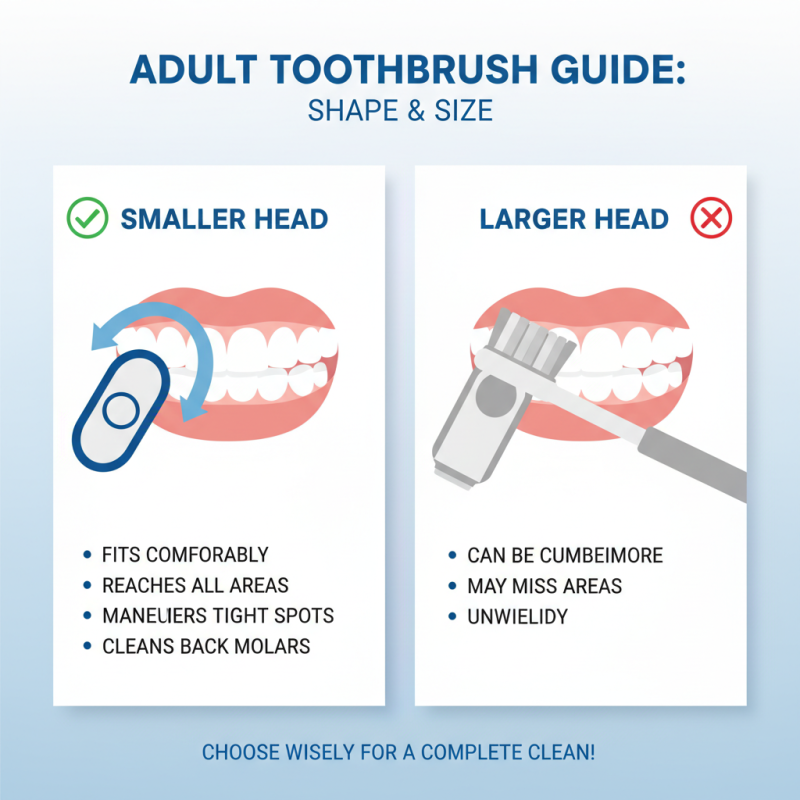
When selecting an adult toothbrush, shape and size play crucial roles. A toothbrush's head should fit comfortably in your mouth. This allows you to reach all areas easily. A smaller head can maneuver around tight spots. It also helps clean back molars effectively. Large heads might seem more effective, but they can be cumbersome. A toothbrush that feels unwieldy might lead to missed areas during brushing.
The handle's length and grip are also important. A longer handle gives better reach, especially for hard-to-get areas. However, some may find shorter handles easier to control. Test different styles to see what feels right. A good grip prevents slipping, ensuring effective brushing. The texture of the handle can make a difference too. Some people prefer a soft rubberized grip. Others may find a more rigid handle best for their needs.
It's easy to overlook these details, but they matter. Many rush into choosing a toothbrush without exploring these factors. Taking time to assess shape and size can lead to better oral health. Reflect on your brushing experience. Is your current toothbrush comfortable enough? An informed choice can enhance your dental routine significantly.
Bristle Types and Their Impact on Oral Health: Soft vs. Medium vs. Hard
Choosing the right toothbrush involves understanding bristle types. The three common options are soft, medium, and hard bristles.
Soft bristles are often recommended by dental professionals. Research indicates they effectively remove plaque without harming gums. Approximately 80% of dentists prefer soft bristles for their gentleness.
Medium bristles may seem like a middle ground, but they can cause gum recession over time. Frequent brushing with medium bristles might lead some to experience discomfort. Hard bristles are worthy of caution. They can create more harm than good. Data shows that using hard bristles increases the risk of enamel erosion by up to 20%.
Many people are unaware of how bristle type affects their oral health. Some might even ignore discomfort and continue using the wrong type. A study found that 60% of adults choose their toothbrush by color rather than bristle type. This can lead to mistakes that impact long-term dental health. It’s essential to reflect on these choices for better oral care. Understanding bristle types truly matters. Selecting an appropriate toothbrush can make a significant difference.
The Role of Toothbrush Head Design in Reaching Difficult Areas
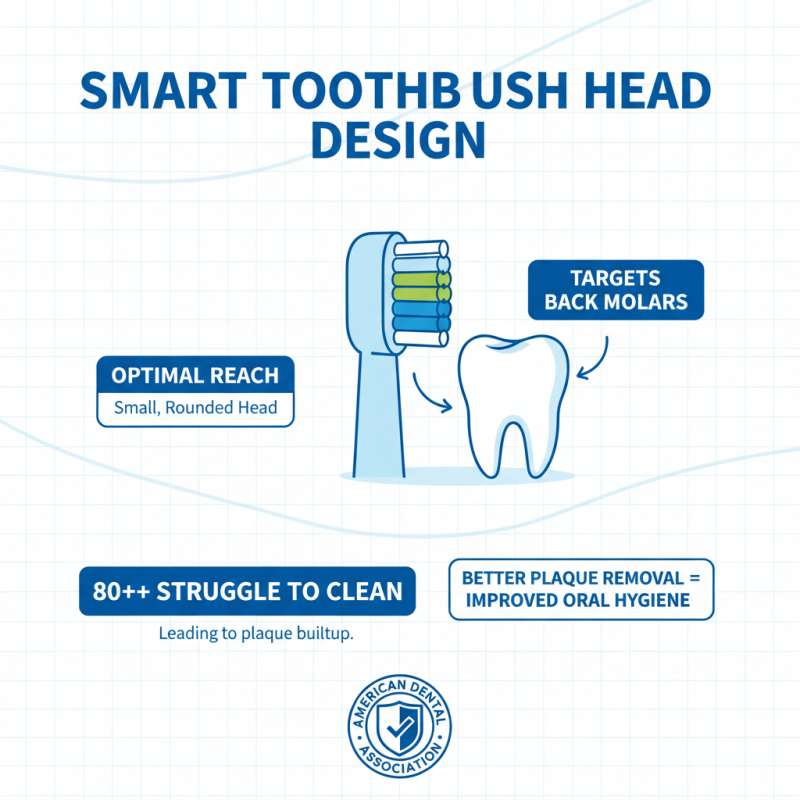
The design of a toothbrush head plays a crucial role in maintaining oral hygiene. Studies show that toothbrushes with small, rounded heads can effectively reach difficult areas, like the back molars. A survey by the American Dental Association revealed that over 80% of users struggle to clean these spots thoroughly. This indicates the importance of choosing the right head design for better plaque removal.
When selecting a toothbrush, consider these tips. Look for a head size that fits comfortably in your mouth. A smaller head allows for more maneuverability. Toothbrushes with soft bristles are often more effective at cleaning without damaging gums. Many dental professionals recommend a dentist-recommended toothbrush rather than going for the cheapest option. This is more than a marketing gimmick; research suggests a well-designed toothbrush can lead to better oral health outcomes.
It's easy to overlook the shape of the toothbrush head. A flat design may not reach all surfaces effectively. Instead, consider those with angled bristles; they can adapt to your mouth's contours better. Remember, your daily brushing habits matter too. While you choose the right tool, don’t ignore your technique. Many people brush too hard, which can be counterproductive. Brushing should be gentle yet thorough.
Understanding ADA Seal of Acceptance: Choosing Quality Oral Care Products
When choosing an adult toothbrush, understanding the ADA Seal of Acceptance is crucial. The American Dental Association (ADA) evaluates dental products for safety and effectiveness. Toothbrushes bearing this seal meet strict criteria. Research indicates that using ADA-approved toothbrushes can significantly reduce plaque and gingivitis. In fact, studies show a 30% improvement in oral health when consumers choose ADA products.
Tip: Look for soft bristles. They are effective in removing plaque while being gentle on gums. Hard bristles may cause gum recession, leading to sensitive teeth.
Another key point is selecting the right brush head size. Smaller heads can reach difficult areas. Many people overlook this, yet brushing effectiveness can vary widely. An unfit brush may miss crucial spots, resulting in potential issues.
Tip: Replace your toothbrush every three to four months. Worn bristles are less effective. Neglect can lead to subpar oral hygiene.
Being informed about product quality is vital. Many consumers assume all toothbrushes work equally well. However, research reveals that improper choices can lead to long-term dental problems. Always opt for products that are proven effective.
The Importance of Replacing Your Toothbrush: Industry Recommendations and Timeline
Replacing your toothbrush regularly is crucial for maintaining good oral health. Dentists recommend changing your toothbrush every three to four months, or sooner if the bristles become frayed. Worn-out bristles are less effective at cleaning teeth and gums. They can even harbor bacteria, which is not something anyone wants in their mouth.
It's easy to forget about this simple task. Many people hold onto their toothbrushes longer than they should. Maybe they think there's still some life left in it. Perhaps they don't see the immediate need for a replacement. This mindset can lead to issues, such as plaque build-up and gum disease.
Consider setting a reminder on your phone to check your toothbrush every few months. This small act can make a significant difference. You can also keep an extra toothbrush handy for those moments of oversight. Making it a habit to replace your toothbrush can help you stay on track. After all, your oral hygiene is worth the effort!