10 Essential Tips for Choosing the Right Kid Toothbrush
Choosing the right kid toothbrush is crucial for your child's dental health. It can be overwhelming with so many options available. Different sizes, colors, and features can confuse parents. A proper toothbrush can encourage kids to develop good oral hygiene habits.
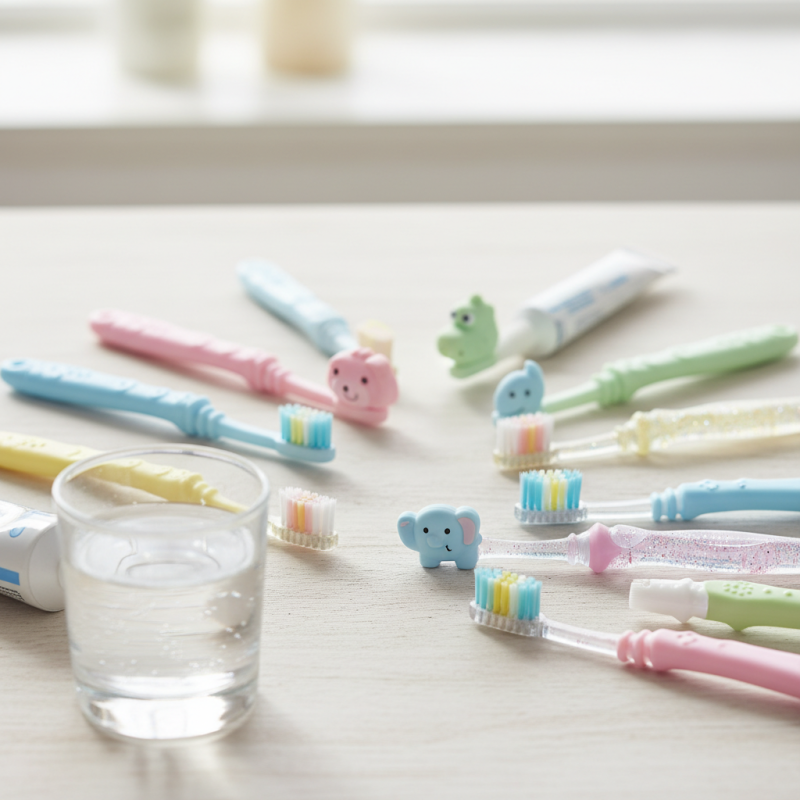
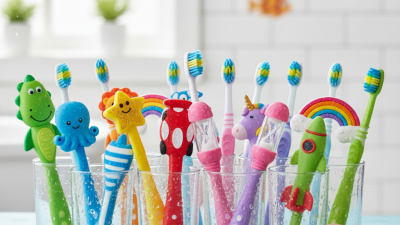
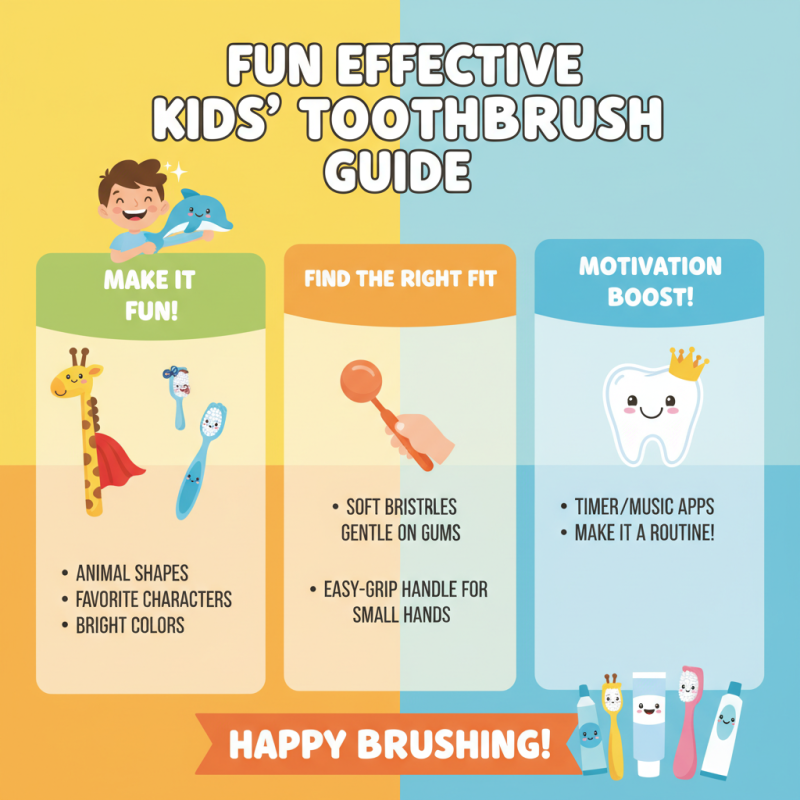
When selecting a kid toothbrush, consider the comfort it offers. A soft-bristled brush is often gentler on young gums. The size should fit comfortably in your child's hand. If they struggle with brushing, a fun character design might motivate them. Kids love colors and engaging designs.
Don't forget to replace their toothbrush regularly. A worn-out brush won’t effectively clean teeth. Reflect on your child's preferences, as they can influence their brushing routine. Choosing the best kid toothbrush may take time. It's a small decision that can lead to lifelong benefits for their smile.
Understanding Your Child's Age and Dental Needs
Choosing the right toothbrush for your child can be confusing. Consider their age and specific dental needs. Babies may require soft-bristled brushes. Focus on gentle care for their delicate gums. As children grow, their teeth become a focus. A fun design can encourage regular brushing.
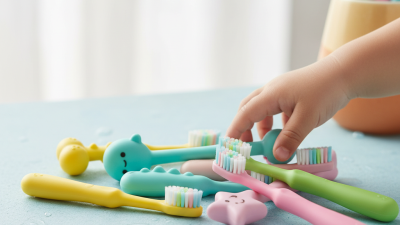
For toddlers, look for small, easy-to-hold handles. They may struggle with coordination. A toothbrush that fits comfortably in their hand is important. Check if the bristles are soft enough to protect young gums. This can reduce discomfort during brushing. Older kids might need a sturdier brush. They might also enjoy brushing more with bright colors.
Watch for signs of wear on the brush. Worn-out bristles do not clean well. Kids may forget to replace their toothbrush regularly. Make it a routine to check every few months. Encourage your child to take part in this process. This helps them understand the importance of oral hygiene. A little involvement can lead to better dental habits.
Choosing the Right Bristle Type for Comfort and Effectiveness
When selecting a toothbrush for your child, the bristle type plays a crucial role in comfort and effectiveness.
Soft bristles are often recommended for little mouths. They clean gently without irritating sensitive gums.
This makes brushing a less daunting task for kids. Hard bristles can cause discomfort and even damage fragile gums, leading to a negative experience.
Choosing the right bristle type is not just about softness. Some brushes have rounded tips, which minimize the risk of injury.
This design feature ensures that every brushing session feels safe. Parents might notice their child is more willing to brush when the toothbrush feels comfortable.
Many parents overlook this aspect, leading to frustrating brushing experiences.
Involving your child in the selection process can help. Let them feel different toothbrushes and make a choice.
This might help them take ownership of their oral hygiene. It's not perfect, though; some kids may still resist brushing no matter the toothbrush.
This is something to reflect on. Finding the right balance between comfort and responsibility takes time.
Selecting an Appropriate Size and Shape for Small Hands
Choosing the right toothbrush for your child is crucial. A suitable size and shape can make a big difference. Kids often struggle with larger brushes. A smaller toothbrush fits comfortably in little hands. It allows for better control and encourages independence.
When selecting a toothbrush, consider the handle. Thick handles are easier to grip. Children can hold them securely, making brushing less of a chore. Look for ergonomic designs that suit small hands. The brush head should also be small. A compact head reaches all areas of the mouth easily.
Tip: Let your child try different brushes. Observe how they handle them. Sometimes, they may prefer a softer bristle. Too hard might hurt their gums. Pay attention to their feedback. It could reveal what they need most in their oral care.
Evaluating Extra Features for Improved Oral Hygiene Experience
Choosing the right toothbrush for your child can be a challenge. It's more than just picking a colorful design. Extra features can greatly enhance the overall brushing experience. For example, opt for a toothbrush with a small head. This makes it easier for tiny mouths to reach all those tricky spots. A non-slip grip can help little hands hold onto the brush better, reducing chances of dropping it.
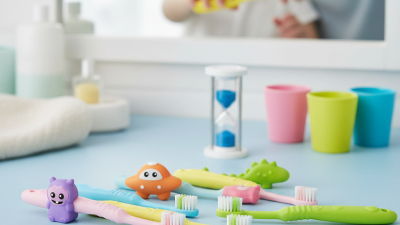
Sometimes, you may find toothbrushes with built-in timers. These are great for encouraging kids to brush for the recommended two minutes. Bright lights or fun songs can also make brushing feel less like a chore. However, not every feature is suitable for every child. Some kids might get distracted by too much noise. Balance is key when evaluating these extras.
Look for soft bristles that are gentle on sensitive gums. Tough bristles might lead to discomfort. A travel cap or case is a nice touch for busy parents on the go. These small details can enhance hygiene but shouldn’t overshadow the core purpose. Don’t hesitate to involve your child in the decision-making. They might have preferences that improve their interest in brushing. Finding the right balance between functionality and fun is crucial.