10 Essential Tips for Using Dental Floss Effectively?
Proper oral hygiene is vital for maintaining overall health. Dental Floss plays a crucial role in this routine. Studies show that 30% of Americans do not use floss regularly. This neglect can lead to gum disease, cavities, and bad breath. The Centers for Disease Control and Prevention (CDC) acknowledges the importance of flossing in preventing oral diseases.
Using Dental Floss effectively can transform your dental care. However, many people struggle with proper techniques. In fact, a survey revealed that only 10% of people floss correctly. This can result in ineffective cleaning. Many overlook the areas between teeth, where plaque buildup is common. Floss should be used daily, but it often gets forgotten in busy routines.
Finding the right method can be challenging. Many individuals experience discomfort or even bleeding when they first start. This can discourage consistent use. A proper understanding of Dental Floss techniques is essential for attaining the benefits. Identifying personal challenges and improving technique can lead to better results and healthier gums. Protecting your smile begins with mastering the art of flossing.
Choosing the Right Type of Dental Floss for Your Needs
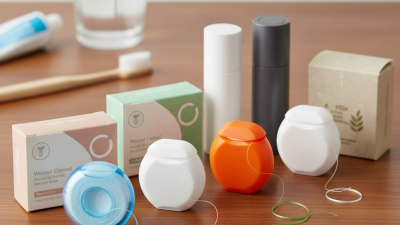
Choosing the right type of dental floss is crucial for your oral hygiene. There are various options available.
Waxed or unwaxed, it's essential to know what suits you best.
Waxed floss slides easier between teeth. It’s less likely to shred or break.
Unwaxed floss, however, is thinner and may fit tighter spaces.
Consider your specific needs. If you have wider gaps, a thicker floss may be ideal.
For tighter spaces, you might want to try a thinner option.
Flavored floss can make the experience more pleasant. Some prefer mint or cinnamon.
Others may prioritize sustainability. Biodegradable options are growing in popularity.
Thinking about your technique is important, too.
If the floss frays, it might not be the best choice. Some people struggle with getting the right grip.
It’s common to feel awkward at first. Don’t be discouraged if you find yourself not using it regularly.
Over time, it becomes easier. Reflect on your habits and adjust as needed.
Understanding the Proper Technique for Flossing Between Teeth
Flossing is an essential part of oral hygiene. Many overlook its importance. According to the American Dental Association, only 30% of adults floss daily. This statistic highlights a concerning gap in dental care. Proper technique can make a significant difference in your oral health.
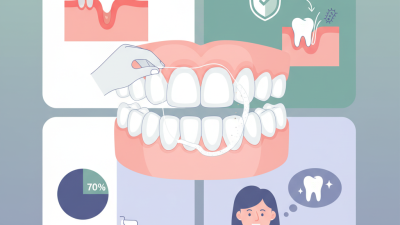
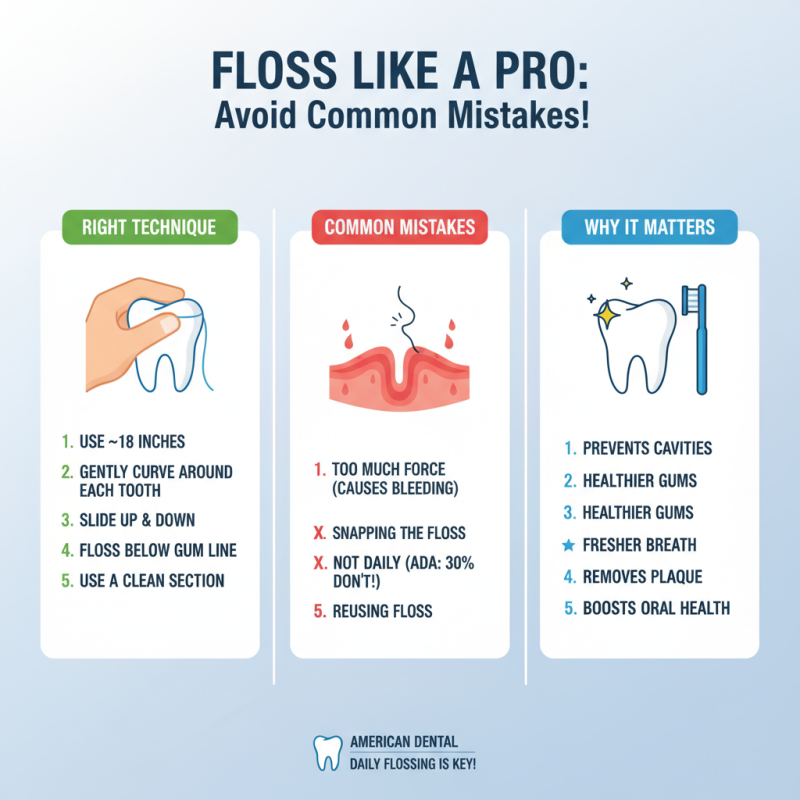
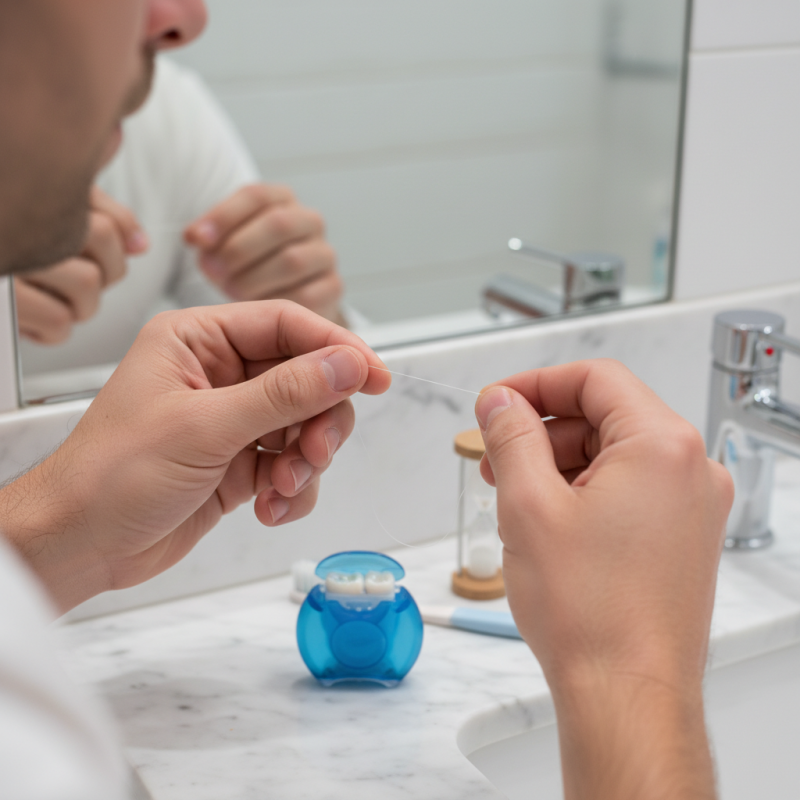
When using dental floss, start with about 18 inches of floss. Wrap it around your middle fingers, leaving about two inches between them. Hold the floss tightly between your thumbs and forefingers. This grip allows greater control. Gently slide the floss between your teeth. Avoid snapping it into your gums. A gentle sawing motion works best. The goal is to remove plaque, not injure your gums.
After reaching the gum line, curve the floss into a C-shape against one tooth. This ensures you clean both sides effectively. Many individuals struggle with this technique. A 2018 study noted that nearly 70% of people don’t use the proper form while flossing. Regular practice is key to improvement. It may feel awkward at first. With time, this vital habit will become second nature. Flossing can save you from costly dental procedures down the road. Ignoring this practice often leads to cavities and gum disease.
Establishing a Regular Flossing Routine for Optimal Oral Health
Establishing a regular flossing routine is crucial for maintaining optimal oral health. Research shows that nearly 80% of adults have some form of gum disease. Flossing effectively helps to remove plaque from areas that a toothbrush cannot reach. It's essential to make this practice a daily habit.
Many people struggle with consistency. A study revealed that only 30% of adults floss daily. To improve this, try setting reminders on your phone. Visual cues can significantly increase your chances of remembering to floss. Incorporating flossing into your nightly routine can also help.
Proper technique matters. Using a gentle sawing motion can be more effective than forceful movements. Aim for the space between every tooth. Remember to be especially careful not to harm your gums. Creating a mental checklist can assist in maintaining the correct technique. Flossing may seem tedious, but the benefits are clear: healthier gums and fresher breath.
10 Essential Tips for Using Dental Floss Effectively
Common Mistakes to Avoid When Using Dental Floss
Using dental floss effectively is crucial for maintaining oral health. However, many people make common mistakes. One frequent error is using too much force while flossing. This can irritate the gums, potentially leading to bleeding. According to the American Dental Association, nearly 30% of adults do not floss daily, often due to improper technique.
Another mistake involves skipping certain areas, especially near the back teeth. This oversight can leave plaque buildup, increasing the risk of cavities. A study from the Journal of Periodontology reports that thorough flossing can reduce gum disease risk by up to 40%. Paying attention to each tooth is vital.
Many also underestimate the importance of the floss type. Using a thicker floss can make it difficult to maneuver between tight spaces. Adjusting your approach based on your dental needs is essential. Remember, even the best floss isn't effective if not used correctly.
Incorporating Flossing into Your Daily Oral Hygiene Practice
Flossing can feel tedious. Yet, it's crucial for maintaining oral hygiene. To make it easier, try setting a specific time each day for this task. Morning or night, find what works best for you. Keep your floss in visible places. The bathroom or next to your toothbrush is ideal.
Many people forget to floss. It’s easy to skip it when you’re rushed. Try to remind yourself of the benefits. Flossing removes food particles and plaque that brushing alone can miss. If you find it hard to maneuver the floss, consider using a floss holder. It can help you reach those tricky spots.
Make flossing enjoyable. Listening to music or podcasts while you floss can make the routine feel less like a chore. However, you may sometimes feel lazy and skip it. Reflect on those moments. Are they worth it in the long run? Each time you floss is an investment in better oral health.