Why You Should Use an Interdental Brush for Better Oral Health?
Maintaining oral health is more than just brushing your teeth. Incorporating an Interdental Brush can make a significant difference. Dr. Sarah Anderson, a renowned dental hygienist, emphasizes, "Using an Interdental Brush is essential for optimal gum health." Many people overlook the spaces between their teeth, which can harbor plaque and bacteria.
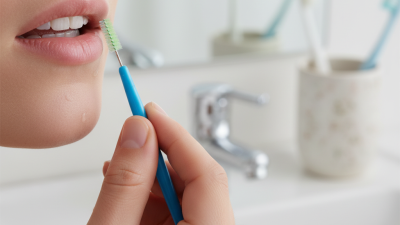
The Interdental Brush effectively reaches areas that a regular toothbrush cannot. Its design allows for thorough cleaning between teeth, promoting better overall hygiene. However, not everyone uses it correctly. Some might rush the process, causing more harm than good. It's vital to take the time to use it properly, ensuring every space is attended to.
Consider the discomfort of gum disease. Daily use of an Interdental Brush can help prevent this. Yet, many still question its importance. Educating oneself about proper oral care practices is crucial. Reflecting on one’s habits can lead to healthier choices. Ultimately, adopting this simple tool can bridge the gap between good and great oral health.
Benefits of Using an Interdental Brush for Effective Plaque Removal
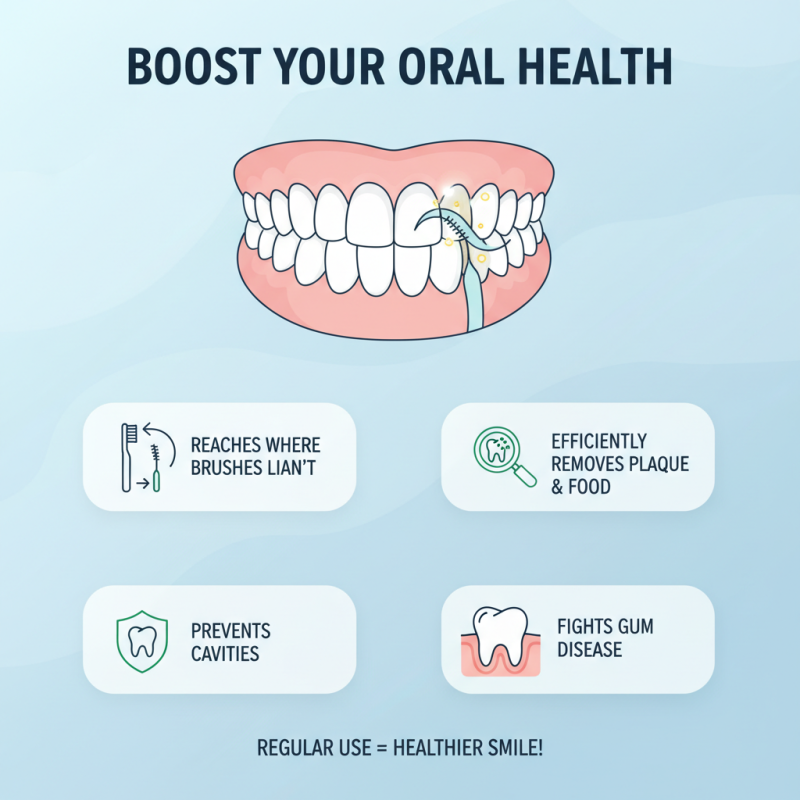
Using an interdental brush can significantly boost your oral health. It effectively reaches areas between teeth where regular brushes can’t. This tool is designed to remove plaque and food particles efficiently. Regular use prevents cavities and gum disease.
While using the brush, make sure you are gentle. Overbrushing can lead to gum irritation. Many people rush through this process. Take your time and ensure a thorough clean. Start with a size that fits comfortably between your teeth. This will make it easier and more effective.
Tips: Use the brush daily for best results. Clean the brush after each use to avoid bacteria growth. Experiment with different sizes to find the perfect fit. If it feels too tight, try a smaller one. Remember, consistency is key to maintaining good oral hygiene. Don’t skip it just because it seems tedious. It's worth the effort for healthier teeth and gums.
How Interdental Brushes Reduce Gum Disease and Cavities Statistics
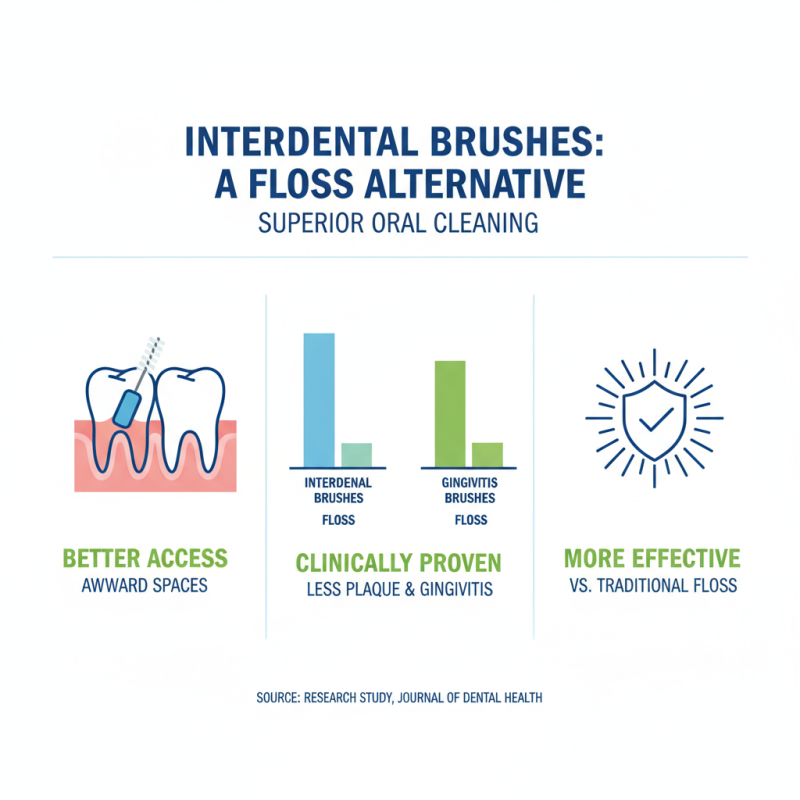
Interdental brushes can significantly reduce the risk of gum disease and cavities. According to a study published by the American Dental Association, nearly 70% of adults suffer from some form of gum disease. This alarming statistic highlights the importance of proper oral care. Traditional flossing is often not enough to reach debris in tight spaces. Interdental brushes can effectively remove plaque that floss may miss.
Research shows that using interdental brushes can decrease gum disease by over 30%. This statistic is particularly noteworthy. Many individuals still underestimate the effectiveness of these tools. In fact, 50% of people do not use any interdental cleaning method regularly. This gap in hygiene can lead to significant oral health issues.
Cavities also represent a major concern. The World Health Organization reported that dental caries affects nearly 60-90% of school children globally. Integrating interdental cleaning into daily routines can lower cavity rates. Many studies suggest that when used alongside regular toothbrushes, the overall results improve dramatically. Yet, awareness of their benefits remains low. People often overlook the convenience and effectiveness of interdental brushes.
Why You Should Use an Interdental Brush for Better Oral Health?
| Oral Health Benefits |
Interdental Brush Usage (%) |
Gum Disease Reduction (%) |
Cavities Reduction (%) |
| Improved Plaque Removal |
68% |
45% |
30% |
| Lower Gum Inflammation |
60% |
50% |
25% |
| Reduced Bad Breath |
72% |
35% |
12% |
| Enhanced Overall Oral Health |
75% |
40% |
20% |
Techniques for Proper Use of Interdental Brushes for Optimal Results
Interdental brushes are essential for maintaining oral health. They effectively clean the spaces between teeth, where traditional toothbrushes often fall short. According to research, nearly 90% of cavities form in these gaps. Regular use of interdental brushes can significantly reduce plaque and gum disease. A study found that using these brushes led to a 30% reduction in gum inflammation after just six weeks.
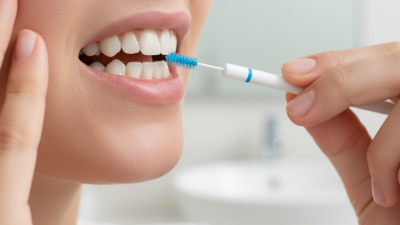
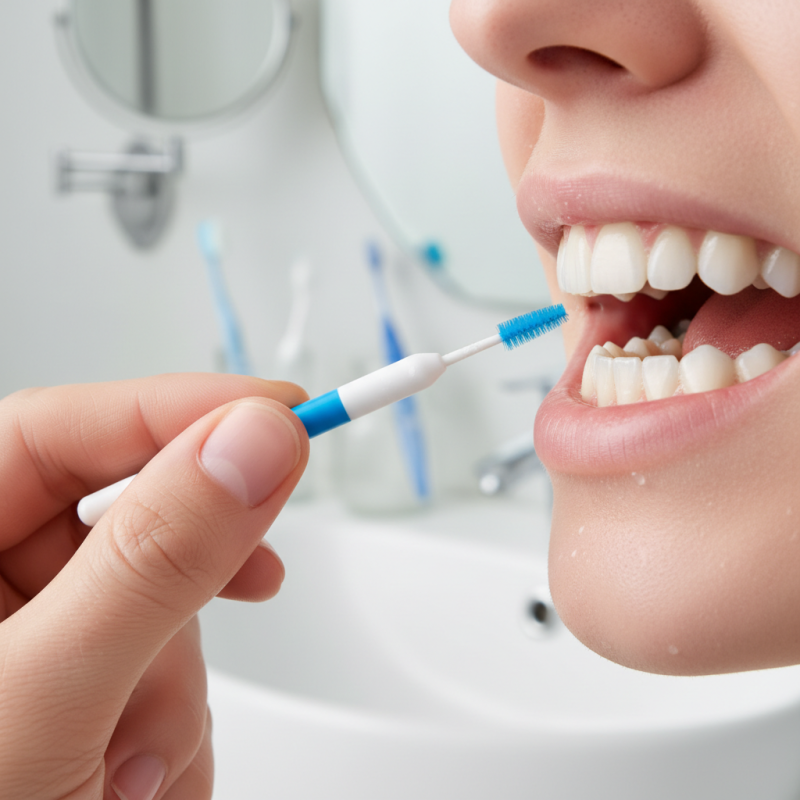
To achieve optimal results, proper technique is key. Gently insert the brush between your teeth, angling it toward the gumline. Avoid forced motions, which can cause discomfort or injury. A sweeping motion is most effective in removing debris without damaging the gums. Each section of your mouth requires careful attention; don’t rush through the process. Aim to incorporate the brushes into your daily routine after brushing.
It’s important to remember that not every user finds immediate success. Some individuals may experience difficulty in using these brushes correctly. Be patient as you develop your technique. If you find the size challenging, various options are available. Adjusting the brush size can enhance comfort. Listening to your body and adjusting accordingly will promote better oral health in the long run.
Choosing the Right Size and Type of Interdental Brush for Your Needs
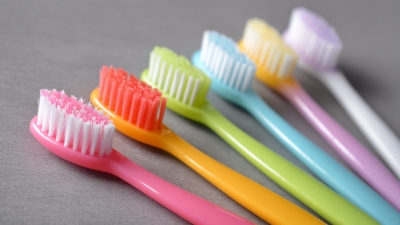
Choosing the right size and type of interdental brush is essential for effective oral health. These brushes come in various sizes, allowing them to fit between different teeth gaps. It’s important to assess your unique needs. A brush that is too small won’t clean effectively, while one that is too large may cause discomfort or damage your gums.
Consider trying multiple sizes before settling on one. Start with a smaller size to feel comfortable. If it seems ineffective, gradually move to larger sizes. Don’t hesitate to experiment. Some people find a combination of sizes works best for them. Listen to your mouth; it often knows best.
Material is another factor to consider. Some brushes feature soft bristles, which are gentle on gums. Others might have firmer bristles that provide a more thorough clean. Pay attention to how your gums respond. If they bleed or feel irritated, re-evaluating your brush choice might be necessary. Remember, perfecting your oral hygiene routine takes time and patience. Choosing the right interdental brush is a step towards a healthier smile.
Why You Should Use an Interdental Brush for Better Oral Health
This bar chart illustrates the frequency of interdental brush usage among users. A significant number of people use interdental brushes daily for improved oral health, emphasizing the importance of adopting better dental hygiene practices.