What is an Ortho Brush and How Does It Work?
An Ortho Brush is an innovative tool designed to enhance oral care for those with braces. Dr. Jane Smith, an orthodontic expert, states, "The Ortho Brush makes cleaning around braces easier and more effective." This statement highlights the importance of proper dental hygiene during orthodontic treatment.
While the Ortho Brush aims to simplify brushing, it is not foolproof. Users must still be diligent in their oral care routine. It has special bristles designed to clean around brackets and wires. However, not all individuals use it correctly. Some may rush through their brushing, overlooking critical areas.
Achieving optimal oral hygiene with an Ortho Brush requires practice and attention. It can be a valuable tool, but it cannot replace regular visits to the orthodontist. Proper motivation is essential, as many forget the importance of consistent cleaning. Emphasizing these crucial aspects can ensure a healthier smile during orthodontic treatment.
What is an Ortho Brush?
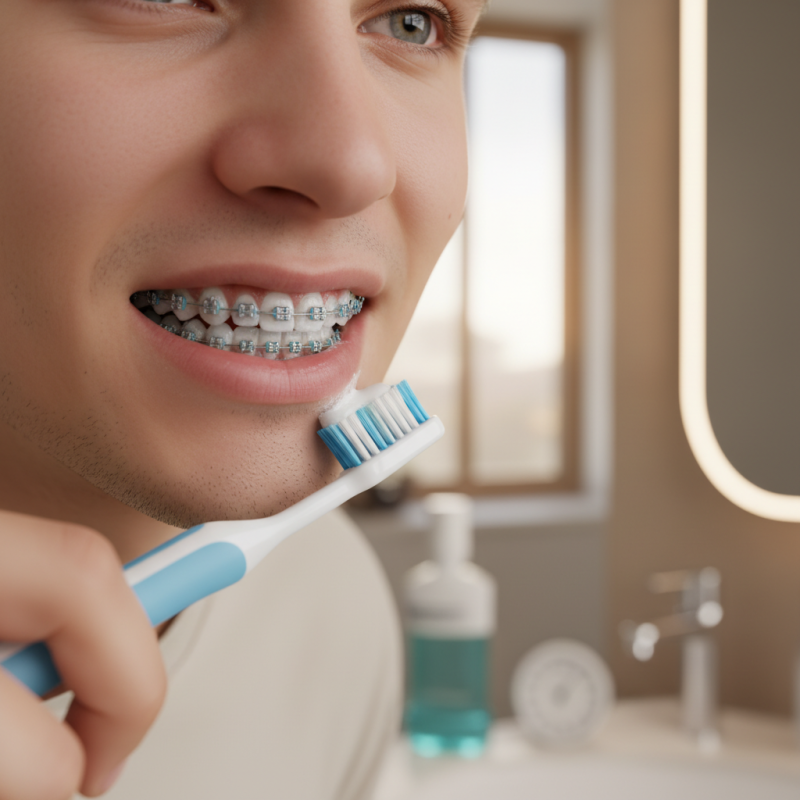
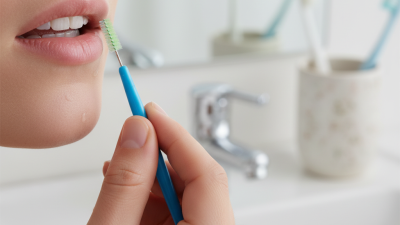
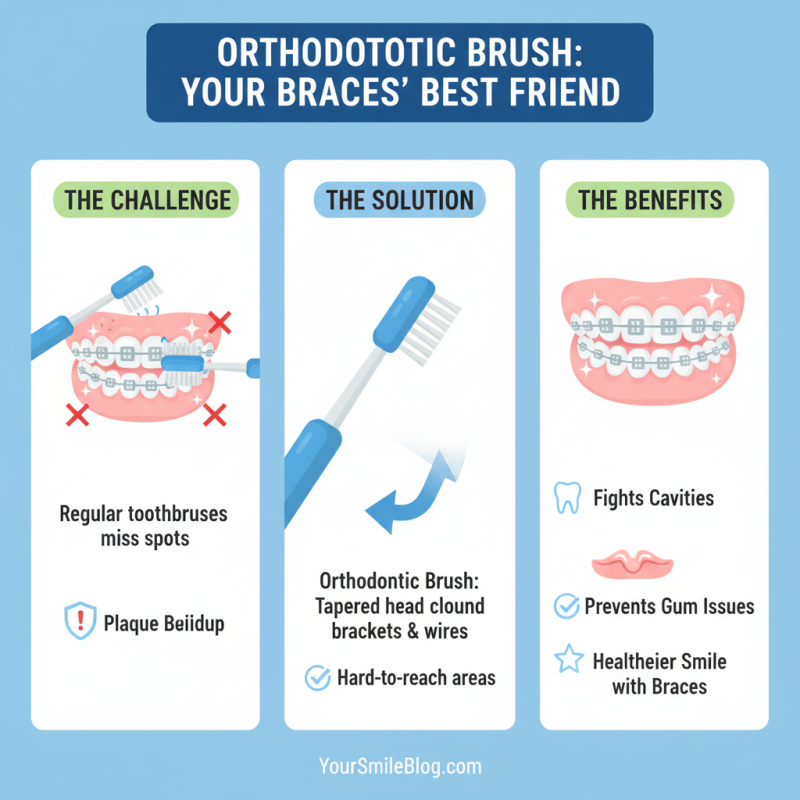
An ortho brush is a specialized dental tool designed for those with braces. It helps clean hard-to-reach areas around braces and wires. With its unique design, the ortho brush has bristles that can effectively navigate brackets and wires. This ensures better plaque removal and healthier gums.
Using an ortho brush can feel different at first. It may take time to adjust to the new cleaning technique. Some people may not use it correctly, which can lead to missed spots. It's important to gently brush around each bracket. Doing so ensures that food particles and plaque are effectively removed. Regular use can prevent issues like tooth decay and gum disease.
An ortho brush is not a replacement for regular brushing and flossing. It serves as an additional tool for maintaining oral hygiene. Many find it beneficial, but some still face challenges. Consistency is key for achieving the best results. With practice, the ortho brush can become a valuable part of your dental care routine.
How an Ortho Brush Works: Mechanism and Design
An ortho brush is a specialized dental tool designed to clean around braces and orthodontic appliances effectively. Its design features soft bristles that reach into hard-to-clean areas. This unique configuration helps in removing food particles and plaque, which is crucial for maintaining oral hygiene during orthodontic treatment.
The mechanism of the ortho brush is simple yet effective. As the user moves the brush along the teeth, the bristles flex to fit snugly around brackets and wires. This ensures an even cleaning action. The bristles target the gum line, which is often neglected. Proper use can lead to healthier gums and fewer cavities.
Tips for using an ortho brush include brushing gently to avoid damaging braces. Over-brushing can harm your gums. Try to spend at least two minutes brushing. Make sure every tooth surface is covered. If you notice bleeding gums, consider adjusting your technique. Remember, consistency in cleaning is key. Regular brushing can make a noticeable difference in your oral health.
Benefits of Using an Ortho Brush for Orthodontic Care
An Ortho Brush is specially designed for those undergoing orthodontic treatment. It features unique bristles that reach difficult areas around brackets and wires. Using it can significantly enhance oral hygiene during treatment. Research indicates that inadequate cleaning can lead to cavities and gum disease. In fact, a study found that 87% of orthodontic patients experience plaque accumulation.
The benefits of using an Ortho Brush are substantial. It improves plaque removal, reaching 90% of surfaces around braces. Users typically notice less discomfort and reduced chances of enamel demineralization. However, some patients neglect this tool, believing regular brushing is enough. This misconception can hinder treatment outcomes. Regular use of an Ortho Brush can not only maintain dental health but also make the overall orthodontic experience more bearable. Effective cleaning aids in faster progress toward the desired results.
Inconsistent brushing habits remain a challenge. Many orthodontic patients struggle to adapt. Awareness and education on proper use of tools are essential. A recent survey showed that 40% of users feel unsure about their cleaning techniques. Addressing these gaps can lead to healthier smiles and quicker treatment timelines.
What is an Ortho Brush and How Does It Work? - Benefits of Using an Ortho Brush for Orthodontic Care
| Feature |
Description |
| Design |
An ortho brush typically has a unique shape to easily clean around brackets and wires. |
| Brushing Technique |
Users should brush at a 45-degree angle to effectively reach plaque between braces. |
| Benefits |
Improves oral hygiene, helps prevent cavities, and reduces plaque buildup during orthodontic treatment. |
| Recommended Usage |
Best used after meals and before bedtime. |
| Material |
Typically made of durable plastic and soft bristles for effective cleaning without damaging braces. |
Proper Usage and Maintenance of an Ortho Brush
Using an ortho brush correctly is essential for maintaining oral health during orthodontic treatment. Start by holding the brush at a 45-degree angle to the gum line. Gently move the brush in circular motions over the brackets and wires. This helps to remove plaque and food particles effectively. Pay special attention to the areas around brackets, as they tend to trap debris.
Cleaning the ortho brush itself is crucial. Rinse it thoroughly after each use to prevent bacteria buildup. Store it in a dry place, away from moisture. Replace the brush every three months or sooner if the bristles appear frayed or worn. It’s common to forget these steps when busy or distracted. Reflection on missed cleaning can help develop a better routine.
Although an ortho brush makes cleaning easier, it’s not infallible. Some individuals still experience plaque buildup due to improper technique. Regular dental check-ups are also needed to address any stubborn areas. Being aware of these shortcomings can motivate users to refine their brushing habits. Consistency leads to better results over time.
Usage Frequency of Ortho Brushes in Different Age Groups
This chart illustrates the weekly usage frequency of ortho brushes across different age groups. Children and teenagers tend to use ortho brushes more frequently than adults and seniors, showcasing the importance of maintaining oral hygiene during formative years.