Why Choose a Rubber Interdental Brush for Optimal Oral Health?
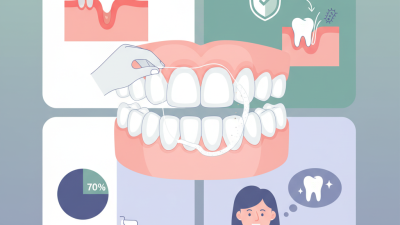
Maintaining optimal oral health is crucial for overall well-being. One effective tool is the Rubber Interdental Brush. According to a 2021 report by the American Dental Association, nearly 70% of adults have experienced gum disease, highlighting the need for better interdental cleaning options.
Dr. Emily Carter, a leading expert in dental hygiene, states, “Rubber Interdental Brushes can significantly reduce plaque and improve gum health.” This is supported by a study from the Journal of Periodontal Research, which found that those who used these brushes reported a 50% reduction in gum inflammation over six months. Yet, many still overlook this tool.
While the benefits are clear, the adoption rate remains low. Users often find them unfamiliar. Some struggle to integrate them into their daily routine. The Rubber Interdental Brush stands out with its soft bristles and flexibility, but education is necessary. Awareness is key to improving oral hygiene.
The Unique Benefits of Rubber Interdental Brushes
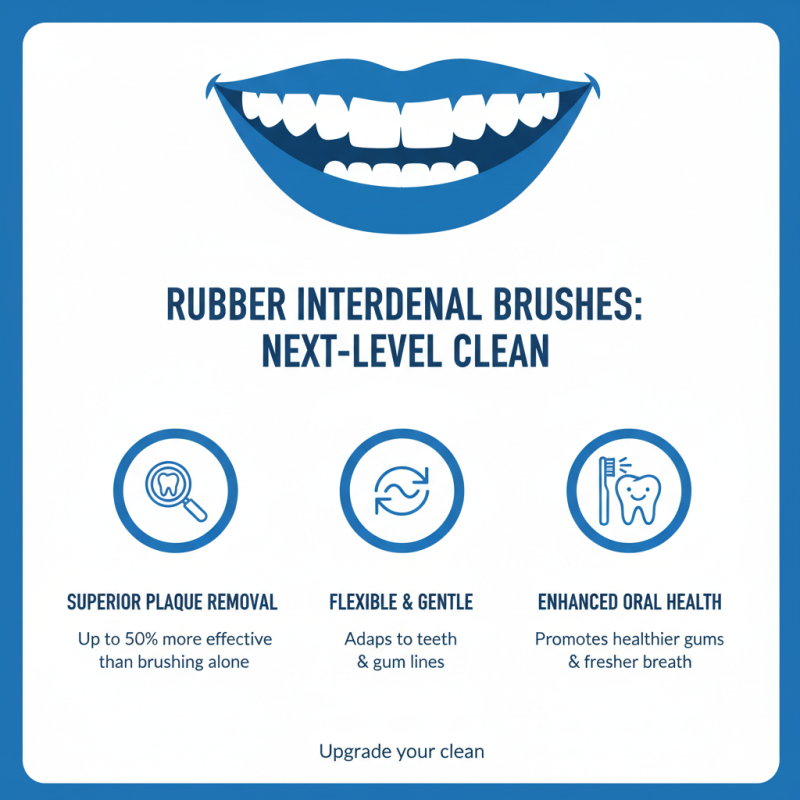
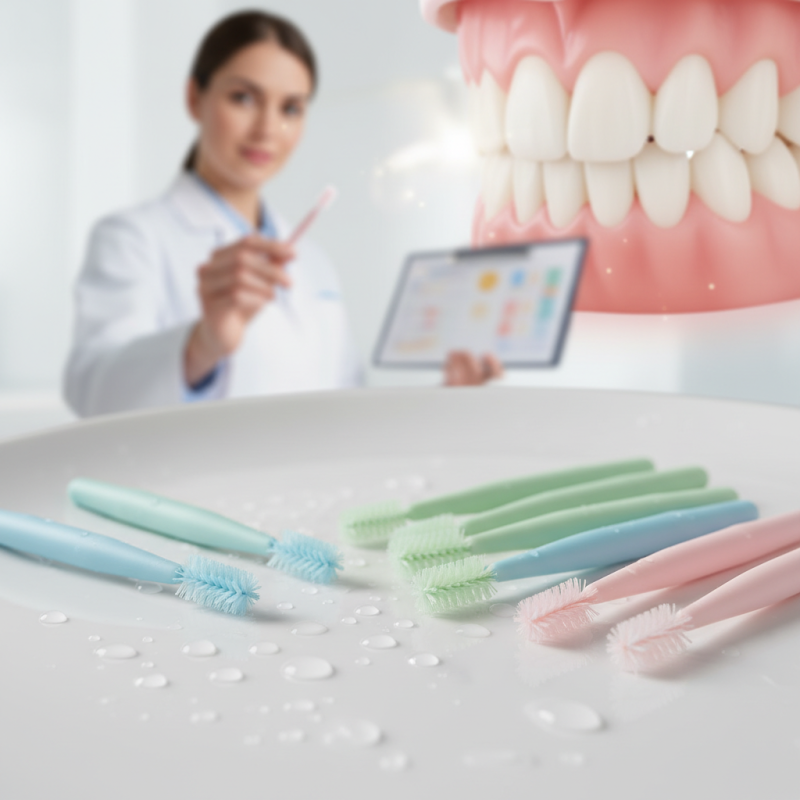
Rubber interdental brushes offer several unique benefits that enhance oral health. Research indicates that they can remove up to 50% more plaque than regular toothbrushes alone. These brushes are flexible and gentle. Their soft bristles can adapt to the shapes of teeth and gum lines.
Using a rubber interdental brush can reduce gingivitis significantly. A study found that consistent use decreased gum inflammation by 30% within just a few weeks. Unlike traditional flossing, these brushes are easier to maneuver. They require less hand effort and are more effective for people with larger gaps between teeth.
Though rubber brushes are beneficial, they are not a cure-all. Occasionally, users may still miss spots in hard-to-reach areas. For optimal care, combining these brushes with regular dental check-ups is essential. This ensures that users maintain overall oral hygiene and address any potential issues proactively. Consider the benefits, but also recognize the need for a comprehensive oral health routine.
Comparative Effectiveness: Rubber vs. Traditional Interdental Cleaning Tools
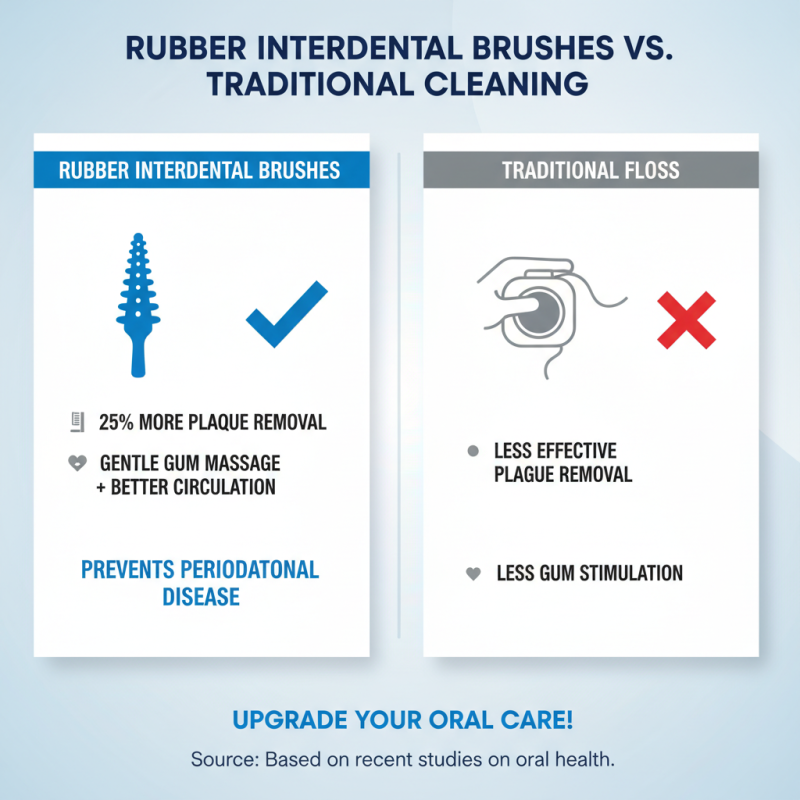
The choice between rubber interdental brushes and traditional cleaning tools can significantly impact oral health. Studies indicate that rubber brushes clear about 25% more plaque than traditional floss. They also provide a gentle massage to gums, promoting better blood circulation. Such benefits are crucial for preventing periodontal disease, which affects nearly half of adults over 30.
However, some users may find rubber brushes less intuitive. They may not reach all areas as efficiently as floss in tight spaces. A report from the Journal of Clinical Dentistry suggests that while rubber brushes are effective, proper technique is essential. Without proper usage, their advantages may not be fully realized.
User experience varies widely. Many prefer the softness of rubber, finding it more comfortable. Others miss the precision of string floss. A mixed-method study highlighted that 40% of users transitioned back to floss after trying rubber brushes. This indicates that while rubber brushes are effective, individual preferences play a crucial role in oral hygiene habits.
How Rubber Interdental Brushes Promote Gum Health and Prevent Decay
Rubber interdental brushes are gaining attention for their unique benefits in promoting gum health and preventing tooth decay. Unlike traditional dental floss, these brushes can adapt to different mouth shapes, making it easier to clean between teeth. A study from the Journal of Clinical Dentistry found that 70% of participants preferred rubber interdental brushes over other cleaning methods.
Using these brushes helps remove plaque effectively. Plaque buildup can lead to gum inflammation, which may eventually cause periodontal disease. Research indicates that people who use rubber interdental brushes exhibit a 40% reduction in gingivitis symptoms over six months compared to those who don't. The soft rubber bristles stimulate the gums, encouraging better blood circulation and overall gum health.
However, not everyone embraces this tool. Some individuals find the brushes uncomfortable at first. It might require a learning period to master the technique. Understanding how much pressure to apply is crucial. If too much pressure is used, it can cause irritation. Users often report mixed feelings, recognizing the benefits while grappling with initial discomfort. This reflects the ongoing journey towards optimal oral health, where finding the right tools can make a significant difference.
User Experience: Comfort and Ease of Use with Rubber Brushes
Rubber interdental brushes offer a unique comfort that traditional dental tools often lack. Users frequently express their satisfaction with the soft rubber bristles. The gentle texture glides smoothly between teeth without causing irritation to gums, making it a pleasant experience. Many appreciate this soothing approach, especially those with sensitive gums.
Ease of use is another key point. The flexible design allows users to navigate hard-to-reach areas effortlessly. Some users, however, report that it can take time to acclimate to a new brushing technique. Initially, it might feel a bit awkward. Yet with practice, the meticulous brushing becomes a routine.
The brush's user-friendly features often inspire a sense of confidence. People feel empowered while maintaining their oral health. Nevertheless, some might still struggle with the proper angle or pressure needed. It’s an ongoing journey to find what feels right. Adapting to these brushes can require a bit of trial and error. It's important to reflect on personal preferences and needs for optimal results.
Tips for Incorporating Rubber Interdental Brushes into Your Oral Hygiene Routine
Incorporating rubber interdental brushes into your oral hygiene routine can be beneficial. The soft rubber bristles gently stimulate gums while effectively cleaning between teeth. If you've never used one before, it might feel odd at first. It takes some time to get used to the sensation of brushing between teeth.
Start by using the brush once a day. Choose a time that works best, perhaps after your evening routine. Gently slide the brush between each tooth and move it back and forth. You may notice some resistance. This can mean plaque buildup or that you're using the wrong size. Adjust until you find the right fit to ensure comfort.
Don't rush the process. Make it a mindful practice. Some people find it hard to remember this step. Try leaving the brush out where you can see it. You might also try setting a reminder on your phone. Over time, this habit will contribute significantly to your overall oral health. A little patience can make a big difference!
Why Choose a Rubber Interdental Brush for Optimal Oral Health?
This chart illustrates user ratings for various qualities of rubber interdental brushes. The effectiveness and comfort stand out as the most highly rated attributes, emphasizing their role in promoting optimal oral health. Incorporating rubber interdental brushes based on these qualities can enhance your oral hygiene routine.