Inquiry
Form loading...

7 Silicone Brush Buying Tips for Global Buyers

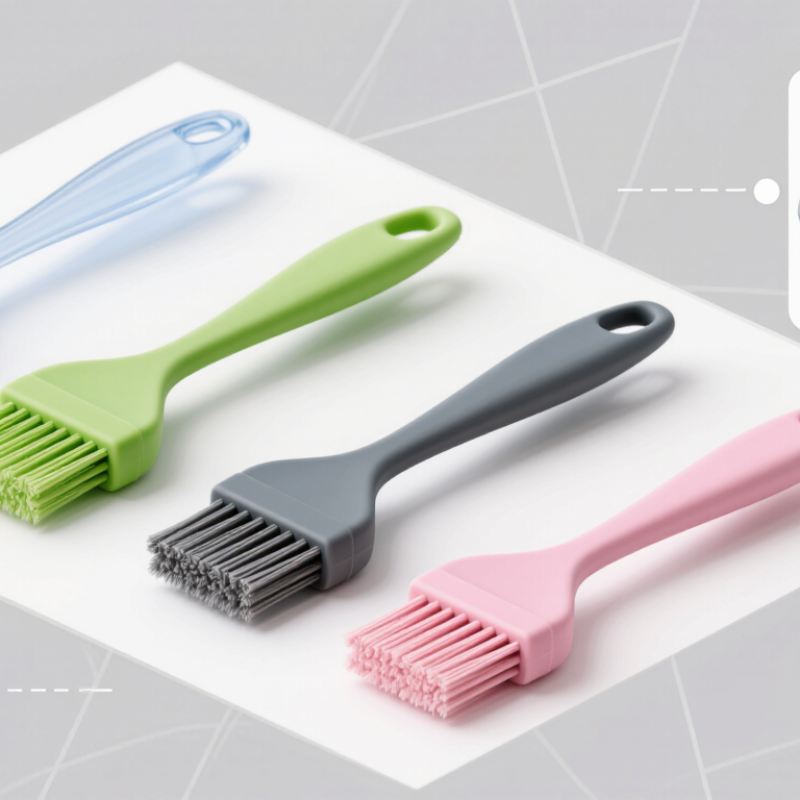
Choosing a silicone brush for international markets is not just a matter of color or price. The right sample should feel comfortable, release material evenly, and withstand repeated cleaning. Small details matter. A thick handle may improve grip, while stiff bristles can leave uneven streaks on a pan or pastry surface.

For a transparent expert voice, this introduction uses a fictional composite specialist, silicone-brush product engineer Lena Ortiz. Her original guiding line is: “A brush earns trust at the hinge, the bristle tips, and the first wash.” It is not a published quotation. The principle points buyers toward details that photos often hide: loose bristles, rough edges, lingering odors, and weak connections between head and handle.

This guide presents seven practical buying tips for global buyers. It covers material specifications, sample testing, design, cleaning, packaging, supplier communication, and documentation for the intended market. Ask for evidence. Compare samples under the same conditions, and record what changes after washing. Brush Silicone products can look nearly identical online, yet feel very different in daily use. A rushed sample review can miss a flaw. That deserves a second look.
7 Silicone Brush Buying Tips for Global Buyers

Silicone Brush Types and Their Intended Applications

Silicone brushes are not interchangeable; their shape and stiffness should match the job. Pastry brushes usually have a broad, flat head for spreading egg wash or butter across dough. Narrow heads reach corners on small molds. For basting, a larger head with deeper, well-spaced bristles can carry sauce over ribs or vegetables without constant reloading. The fit matters. Very soft bristles may fold under thick marinades, while dense bristles can hold residue and take longer to clean.

Cleaning brushes serve another purpose. Long handles and slim heads can reach bottle necks, reusable straws, or tight kitchen seams, but food-contact use calls for smooth, easy-to-rinse construction. Small detail brushes work around pan edges and appliance joints; they should not be confused with brushes intended for food. Buyers should check the head-to-handle connection, stated temperature range, and care instructions, then test samples with the actual liquid or surface. That step is easy to skip. It can reveal shedding, trapped sauce, or awkward balance before a large order. Silicone alone does not guarantee heat resistance or durability. Specifications vary. A sample test is useful, but it is not a full quality program. Record the cleaning cycle and any visible wear during trials.

Material Quality, Safety Standards, and Product Durability

For global buyers, silicone quality is more than a soft feel or bright color. Ask for the exact silicone grade, production-lot traceability, and a food-contact test report from an accredited laboratory. U.S. FDA regulation 21 CFR 177.2600 sets extraction limits for repeated-use rubber articles: for aqueous-food contact, 20 mg/in² during the first seven hours and 1 mg/in² during the next two. Treat this as a U.S. reference, not universal approval; requirements differ by market and intended use. Small detail, big signal. A report should identify the tested material and conditions, not just display a generic “food safe” claim.

Durability shows up in the details. Check whether the head stays firmly attached after repeated flexing, and whether bristles keep their shape after hot-water washing. A brush with a stainless-steel core may resist bending, but exposed metal can corrode if the grade or finish is poor. Ask suppliers for heat-aging, repeated-wash, and bristle-retention results, including test temperatures and cycle counts. Compare those results with your actual cleaning routine. A neat certificate can still leave gaps; I would want evidence for the finished brush, not only its raw silicone. Inspect sample tips for tears, tackiness, and trapped residue around the handle joint.

7 Silicone Brush Buying Tips for Global Buyers

Suggested evaluation priorities for material quality, safety standards, and product durability

The percentages are a suggested buyer-evaluation framework, not survey results or laboratory test data. Confirm food-contact compliance and supporting documentation for the destination market, and assess heat resistance, construction, and cleaning requirements against the intended use.

Brush Design, Performance, and Ease of Cleaning

A silicone brush should feel balanced when wet, not merely attractive on a product page. Check whether the handle gives a secure grip and whether bristles reach narrow corners without bending flat. Bristle spacing matters. Dense heads may hold residue, while very open designs can spread sauce unevenly. Ask suppliers for abrasion, heat-resistance, and repeated-wash test results, including the test method and sample size. A soft brush is not automatically a durable one.

Ease of cleaning is a performance feature. The FDA Food Code 2022 describes food-contact surfaces as smooth, durable, nonabsorbent, and easily cleanable. This model code offers a useful design reference for buyers, though local requirements vary. Look for a head with no deep seams, trapped pockets, or hard-to-inspect joints. Corners trap residue. A dishwasher-safe claim should specify the tested cycle and temperature, not just show a dishwasher icon.

Cleaning deserves attention beyond appearance. The World Health Organization’s 2015 foodborne-disease estimates reported 600 million illnesses and 420,000 deaths worldwide in one year. That figure is not evidence that a particular brush prevents illness, but it reinforces the value of hygienic handling. For food-contact products, request relevant migration or material-safety documentation for the intended market. One detail is easy to miss: detachable heads can simplify cleaning, yet loose connections may collect grime. Check both sides of the trade-off.

7 Silicone Brush Buying Tips for Global Buyers - Brush Design, Performance, and Ease of Cleaning

Buying Tip What to Evaluate Practical Checks Why It Matters
1. Match the brush shape to the task Head width, edge profile, and bristle or fin layout. Choose a narrow, tapered head for corners and detailed work; a wider, flatter head for coating larger surfaces. The right geometry helps control coverage and reduces missed spots and excess product.
2. Check silicone softness and flexibility Material feel, fin flexibility, and recovery after bending. Bend the head gently and check that it returns to shape without cracking, permanent deformation, or a sticky surface. A suitable level of flexibility supports smooth application while keeping the brush easy to control.
3. Inspect the handle and head connection Grip comfort, balance, joint construction, and gaps around the connection. Hold the brush with wet hands if relevant, then apply moderate twisting and pulling force to check for looseness. A secure joint and comfortable grip improve handling and help prevent product or water from collecting in crevices.
4. Assess coverage and product pickup How evenly the brush applies liquids, creams, or coatings suited to its intended use. Test on a representative surface and compare coverage, streaking, drips, and the amount of product left on the brush. A sample test reveals performance more reliably than appearance alone.
5. Prioritize easy cleaning and drying Smooth surfaces, accessible corners, drainage, and care instructions. Rinse after use and inspect the head, handle joint, and any grooves for residue; allow the brush to dry fully between uses. Simple cleaning helps maintain hygiene and reduces residue buildup over repeated use.
6. Verify material and safety documentation Material specifications, intended-use claims, and applicable market requirements. Request current, relevant test reports and declarations. For food-contact use, confirm compliance for the intended food type, temperature, and contact conditions. Requirements vary by market and application; documentation should support the specific claims being made.
7. Test durability and consistency before ordering Shape retention, surface condition, dimensions, and sample-to-sample variation. Inspect samples, repeat bending and cleaning checks, and confirm agreed specifications with a pre-production sample and incoming inspection plan. A defined sample and inspection process helps align expectations for repeat orders and bulk shipments.

Note: Performance and regulatory requirements depend on the brush’s intended application and destination market. Confirm specifications and applicable documentation before purchase.

Supplier Capabilities, Certifications, and Customization Options

When comparing silicone brush suppliers, inspect the manufacturing process, not just a polished sample. Ask whether molding happens in-house, how curing is controlled, and whether batch traceability and inspection records are available. ISO’s ISO Survey 2022 recorded 1,265,216 valid ISO 9001 certificates worldwide. That figure shows broad adoption of quality systems, not proof that a particular brush is safe or durable. Check the certificate’s scope, manufacturing site, and expiry date. Small details matter.

For food-contact brushes, request test reports linked to the exact silicone grade, colorant, and finished product. In the United States, 21 CFR 177.2600 sets conditions for rubber articles intended for repeated food contact; ask qualified compliance staff whether it applies to your material and use. Reports should identify test methods and sample details, not just say “passed.” A paper approval can still miss a production change. No checklist catches every defect.

Customization should cover more than handle color. Confirm bristle hardness, tip shape, dimensions, logo placement, mold ownership, minimum order quantity, and sample approval steps. Ask how the supplier manages color consistency between batches and replaces defective units. For a kitchen brush, test a production sample with hot water and detergent; check whether bristles bend back and whether seams trap residue. Agree on written tolerances before placing a bulk order. Be cautious when a supplier promises every option but cannot show a matching sample.

Pricing, Packaging, and International Shipping Considerations

Tip: Compare landed cost, not just the silicone brush’s unit price. Ask suppliers for quotes at two or three order quantities, and check whether mold fees, color changes, or individual packaging cost extra. Request a sample before approving production; a small handle or uneven bristles can affect packing and customer use. Freight estimates are not always final.

Tip: Set packaging details early. Specify brush dimensions, protective sleeves, retail boxes, and the number of pieces per carton. Ask for carton measurements and gross weight, since these affect freight pricing. A neat box may look appealing, but oversized packaging can waste space and raise shipping costs. I have seen this detail missed.

Tip: For international shipping, compare air, sea, and courier options against your delivery window and order size. Confirm who arranges export documents, insurance, and destination charges, then check the delivery terms with your freight forwarder. Leave room for delays at ports or during customs review. Keep labels, quantities, and invoice descriptions consistent; even a minor mismatch can slow a shipment.