Top 10 Children Toothbrushes for Healthy Smiles in 2026?
In 2026, the oral health of children continues to be a pressing concern. According to the American Dental Association, nearly 20% of children aged 5 to 11 have untreated cavities. Proper dental hygiene is crucial, and choosing the right toothbrush plays a pivotal role. This is where the significance of the right "Children Toothbrush" comes into play.
Children often overlook the importance of brushing their teeth. Their toothbrush should be fun, effective, and suitable for their growing mouths. Pediatric dentists recommend toothbrushes with soft bristles, colorful designs, and age-appropriate sizes. Studies reveal that engaging designs can increase brushing frequency and compliance among kids. Despite this, many parents still choose generic options without considering these key features.
In a market flooded with choices, identifying the best toothbrush can be overwhelming. We must emphasize not just aesthetics, but long-term health benefits. Investing in a quality "Children Toothbrush" today can lead to healthier smiles for years to come. The right choice can significantly impact children's dental habits. Thus, careful consideration is vital for fostering a lifetime of dental health.

Top Trends in Children's Oral Health and Toothbrush Innovations for 2026
As we approach 2026, innovations in children’s oral health are transforming how we think about dental care. New dental technologies are emerging, focusing on making brushing enjoyable and effective for kids.
Interactive toothbrushes are becoming popular, featuring built-in timers and engaging characters. These tools encourage children to brush for the recommended two minutes, making hygiene fun rather than a chore.
The trend of sustainability is also on the rise. Eco-friendly toothbrushes made from biodegradable materials are increasingly favored by parents. These products reduce plastic waste while teaching children about environmental responsibility. Many designs are colorful and appealing, capturing kids' attention. This connection to nature fosters an early understanding of sustainability.
However, with all these innovations, there is still room for improvement. Not every child is engaged by technology, and some may find interactive brushes overwhelming.
Many parents struggle with ensuring their kids brush correctly. It’s crucial to blend education with fun. Encouraging children to develop healthy oral habits is key. A balance of tradition and innovation might just be the answer for brighter smiles ahead.
Key Features to Look for in the Best Children’s Toothbrushes
Choosing the right toothbrush for children is crucial for maintaining their oral health. Dental professionals recommend brushes with soft bristles to protect young gums. Additionally, brushes with smaller heads can reach all areas of a child’s mouth, making brushing more effective. According to a recent survey, nearly 60% of parents overlook these essential features when selecting toothbrushes for their kids.
Vibrant colors and fun designs can motivate children to brush regularly. A report by the American Dental Association highlighted that children who enjoy their toothbrushes are 30% more likely to engage in regular dental care. However, it’s important to rotate toothbrushes every three months. Parents sometimes forget this, risking bacterial buildup on the bristles. Regular replacement is vital for optimal hygiene and effectiveness.
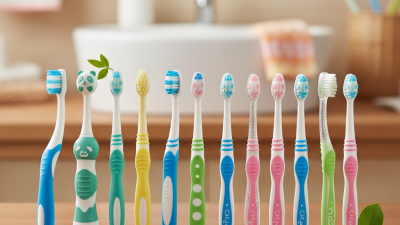
Parents should also consider the age-appropriateness of the toothbrush. Different age groups require different features. For example, toddlers might benefit from a handle made for tiny hands. Yet, many parents purchase generic options which may not suit their child’s specific needs. Understanding the nuances in design can significantly influence a child’s brushing habits.
Top 10 Children Toothbrushes for Healthy Smiles in 2026
| Toothbrush Model |
Age Recommendation |
Bristle Type |
Features |
Price Range |
| Model A |
2-4 years |
Soft |
Ergonomic handle, cute design |
$3 - $5 |
| Model B |
4-6 years |
Medium |
Angled neck, fun colors |
$4 - $7 |
| Model C |
6-8 years |
Soft |
Cool characters, timer |
$5 - $8 |
| Model D |
8-12 years |
Medium |
Compact head, replaceable heads |
$6 - $10 |
| Model E |
2-4 years |
Extra Soft |
Eco-friendly materials, suction base |
$4 - $6 |
| Model F |
4-6 years |
Soft |
Interactive app, colorful |
$8 - $12 |
| Model G |
6-8 years |
Soft |
Bluetooth enabled, timer |
$10 - $15 |
| Model H |
8-12 years |
Medium |
Stylish design, replaceable heads |
$7 - $11 |
| Model I |
2-4 years |
Soft |
Animal shapes, soft grip |
$3 - $5 |
| Model J |
4-6 years |
Medium |
Vibrating function, cartoon design |
$5 - $9 |
The Role of Toothbrush Design in Promoting Good Dental Hygiene Habits
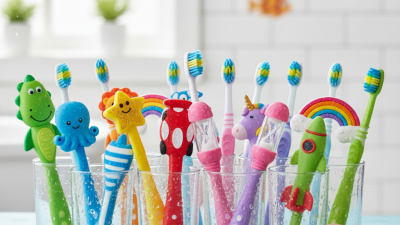
Toothbrush design plays a crucial role in instilling good dental hygiene habits in children. The right toothbrush can engage kids, making brushing a fun routine. Bright colors and fun characters attract children, encouraging them to take charge of their oral health. However, not every design hits the mark. Some may be too large or uncomfortable for small hands, leading to frustration.
A well-designed toothbrush should be lightweight and easy to grip. Ergonomic handles help children maneuver their toothbrushes effectively. Soft bristles are essential for young, sensitive gums. Too many bristles may confuse kids or discourage them from brushing altogether. Simplified shapes resonate better with children, offering an enjoyable brushing experience.
Even the best designs may not consistently promote good habits. Children can be fickle, losing interest quickly. Parents play a vital role by reinforcing the importance of brushing, regardless of the toothbrush's design. Regular reminders and positive reinforcement can help bridge the gap when enthusiasm wanes. Reflecting on these aspects is crucial as we strive to foster healthy smiles.
Comparative Analysis of Manual vs. Electric Toothbrushes for Kids
When comparing manual and electric toothbrushes for children, recent studies suggest both have their strengths. A report by the American Dental Association found that children who used electric toothbrushes had a 21% improvement in plaque reduction compared to those using manual brushes. This highlights the effectiveness of these powered devices in promoting oral hygiene.
Nevertheless, not all families can afford electric toothbrushes. Some parents prefer manual brushes for their simplicity and low cost. A survey indicated that about 40% of parents still choose manual brushes for their affordability. This raises questions about accessibility and whether every child can experience the benefits of proper dental care.
Manual toothbrushes can be effective with proper technique, yet many kids struggle with consistent brushing angles. A child may brush effectively two out of ten times. This inconsistency can lead to cavities. Conversely, electric toothbrushes often engage children due to their fun designs and features. Yet, children may rely too much on technology, neglecting proper brushing skills. Ultimately, the choice between manual and electric often depends on personal circumstances and preferences.
Professional Recommendations: Guidelines from Pediatric Dentists on Tooth Care
Choosing the right toothbrush for children
for their dental health is crucial. Pediatric dentists recommend
soft-bristled brushes as they are gentle on young gums. Kids often overlook proper brushing techniques.
Reports indicate that 42% of children aged 2-11 are affected by cavities.
Effective brushing can significantly reduce this number.
According to a 2023 study, 72% of dentists agree that instructional videos on brushing help improve children's skills.
Parents should engage their children with colorful brushes. Many kids feel excited about brushing when they have a toothbrush designed for them.
Incorporating fun elements can lead to better brushing habits.
However, not all children respond positively. Some might resist brushing. Consistency and positive reinforcement play important roles.
Regular dental check-ups are also essential. This professional guidance helps identify any issues early.
Keeping an open dialogue with children about their dental care can drive better habits long-term.