Top 5 Interdental Brushes You Should Consider for Optimal Oral Hygiene?
Maintaining optimal oral hygiene is crucial. Studies show that regular brushing alone misses nearly 40% of tooth surface areas. This highlights the need for additional tools. An effective solution is the interdental brush. These brushes are designed to clean between teeth, where traditional toothbrushes cannot reach.
Data from the American Dental Association indicates that interdental cleaning significantly reduces plaque buildup. A group of researchers found that users of interdental brushes experienced a 75% reduction in gum bleeding over six months. However, many overlook these essential tools. Inadequate education about their benefits may lead to improper usage or even non-usage.
Choosing the right interdental brush can be overwhelming. There are various sizes and types available, each tailored for specific needs. Some may find it challenging to select the right one. Understanding your unique dental structure is vital. Making an informed choice is essential for maximizing oral health benefits.
Benefits of Using Interdental Brushes for Oral Hygiene
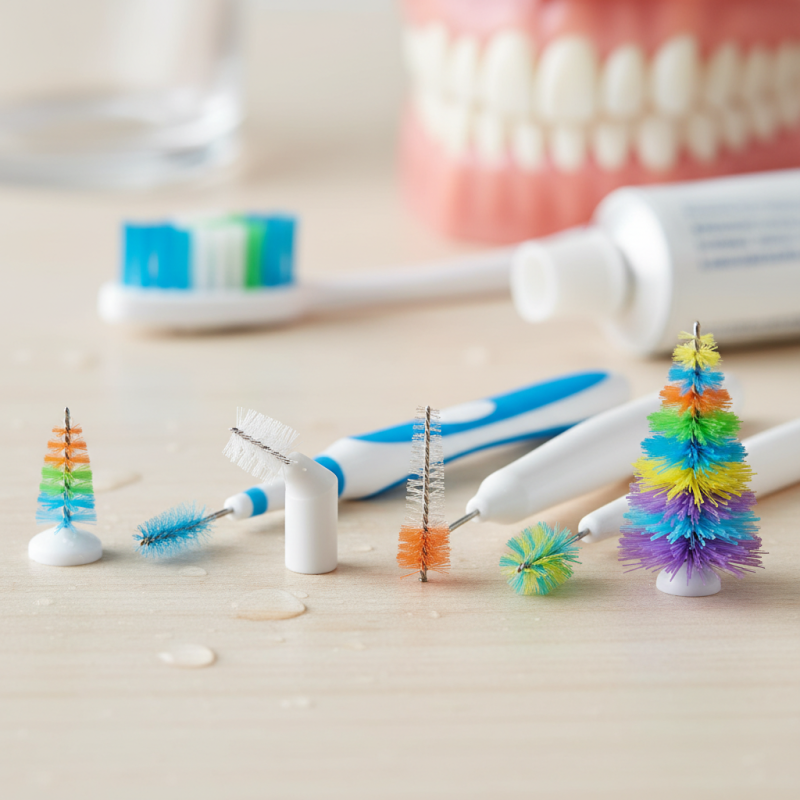
Interdental brushes are essential tools for maintaining optimal oral hygiene. They reach areas that regular toothbrushes simply can't. These small brushes can effectively remove plaque and food particles stuck between teeth. Regular use can lead to healthier gums and fresher breath. For many, the experience of using them feels awkward initially. It's a new habit that takes time to develop.
Tip: Experiment with different sizes. Not every gap between teeth is the same. Finding the right fit increases comfort and cleaning efficiency. Some users struggle with the technique. It's common to miss a spot or two at first. Practice makes perfect here. Don't get discouraged if it feels tricky initially.
Oral hygiene shouldn't be a chore. The benefits of interdental brushes include improved gum health and reduced cavities. They can help prevent gum disease, which is crucial for overall health. Many people overlook these benefits. However, integrating interdental brushes into your routine proves worthwhile. You might even notice a difference in your dental visits. Remember that consistency is key.
Top 5 Interdental Brushes You Should Consider for Optimal Oral Hygiene
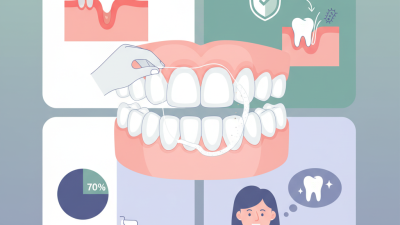
This chart showcases the ratings of various categories for interdental brushes based on their importance for optimal oral hygiene. Each category represents a critical factor that users might consider when selecting an interdental brush.
Factors to Consider When Choosing Interdental Brushes
When selecting interdental brushes, several factors must be considered. One important element is the size of the brush. According to a study published in the Journal of Dental Research, using the correct size can improve plaque removal by up to 40%. A brush that's too large may cause discomfort, while one that's too small may be ineffective.
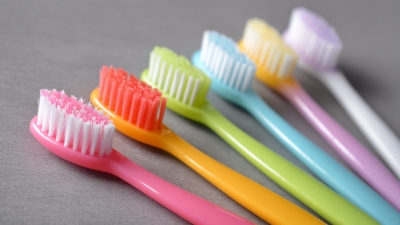
Another factor is the type of bristles. Softer bristles can reach deeper into the gum line without causing irritation. Research shows that softer bristles can reduce gum inflammation by 25%. It's vital to strike a balance between cleaning efficacy and comfort.
Tips: Always consult your dentist about the best size for your mouth. Choose brushes with ergonomic handles for better grip. Regularly replace your interdental brushes to maintain optimal hygiene. Use brushes at least once a day for best results. Remember, not all interdental tools work the same for everyone, so be open to experimenting.
Improving oral hygiene takes effort and care. Don’t be discouraged if you face challenges. Remember, every small change can lead to a significant improvement in your dental health.
Top 5 Interdental Brushes for Different Needs
Choosing the right interdental brush can greatly impact your oral hygiene routine. Different needs require different tools. Some people may need a brush for tight spaces, while others prefer a larger size for broader gaps. Understanding your specific requirements plays a crucial role in making the right choice.
For those with tight teeth, a slim interdental brush is ideal. This smaller brush size can easily navigate narrow gaps. It helps remove food particles and plaque effectively. On the other hand, if you have larger spaces between your teeth, a bigger brush might be the better option. Ensure you choose one that fits comfortably. This can prevent damage to your gums, which is often overlooked.
Here’s a tip: Always rinse your interdental brush after use. It helps maintain cleanliness and extends the life of the brush. If you notice your brush fraying, it may be time for a replacement. Also, consider your dexterity. Some brushes have ergonomic handles, making them easier to use, particularly for those with limited grip strength. Explore various options, and don't be afraid to reassess your choice over time.
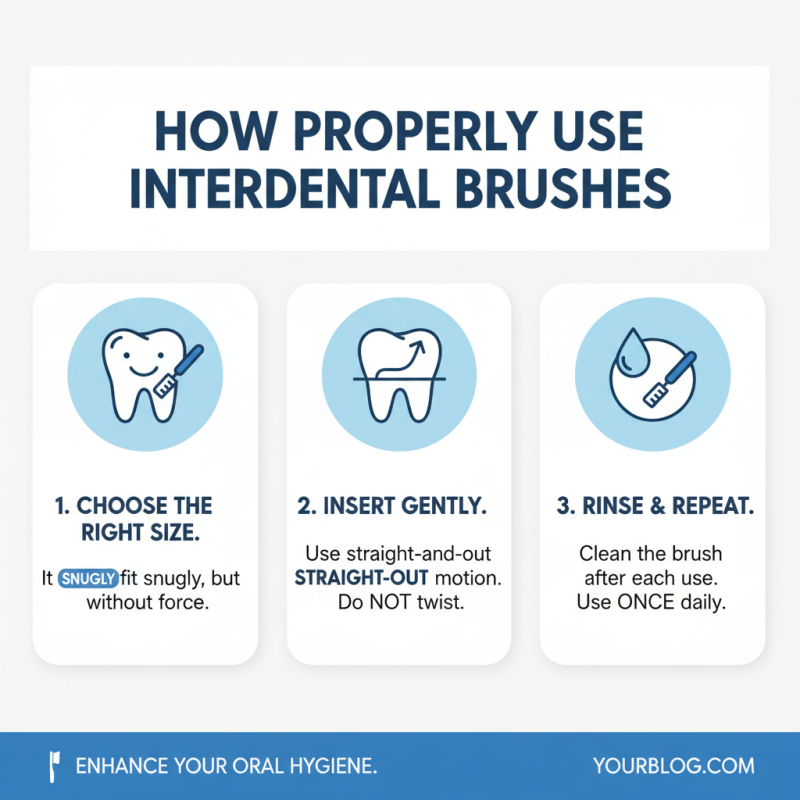
How to Properly Use Interdental Brushes
Using interdental brushes can significantly enhance your oral hygiene routine. These tools reach areas where toothbrushes cannot. To maximize their effectiveness, it’s important to use them properly.
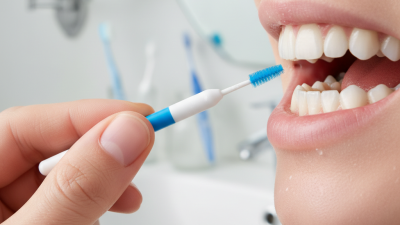
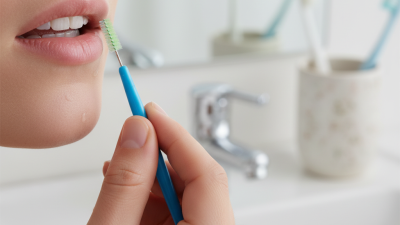
Start by selecting the right size brush. The brush should fit snugly between your teeth. If it’s too small or too large, you won't get optimal cleaning. Gently slide the brush between your teeth. Don’t force it. Apply a bit of pressure, but it should not hurt. Move the brush back and forth a few times. This helps remove food particles and plaque.
After using the brush, clean it thoroughly before storing. A dirty brush can harbor bacteria, negating its benefits. Some people may find using interdental brushes tricky at first. It’s normal to feel awkward. Practice consistently to improve your technique. Over time, it will become part of your routine.
Maintaining and Storing Your Interdental Brushes
Maintaining your interdental brushes is crucial for effective oral hygiene. Studies show that poorly maintained brushes can harbor bacteria. This can lead to gum disease or cavity formation over time. It’s essential to replace your brushes regularly. The American Dental Association recommends changing them every three months. Keeping your brushes clean helps prevent contamination.
Storing interdental brushes properly is equally important. They should be kept in a dry environment to avoid mold growth. A simple container can suffice, but ensure it’s well-ventilated. Avoid damp places like bathroom cabinets. Lack of proper storage can render your brushes ineffective. Moreover, a survey by the British Dental Association revealed that 25% of individuals don't store their brushes properly. This neglect diminishes their benefits in eliminating plaque between teeth. Remember, consistent care leads to lasting results.
Top 5 Interdental Brushes You Should Consider for Optimal Oral Hygiene
| Brush Size |
Bristle Type |
Handle Type |
Recommended Use |
Storage Method |
| Small |
Soft |
Ergonomic |
For tight spaces |
Dry in a ventilated area |
| Medium |
Medium |
Flexible |
For general use |
Store in a case |
| Large |
Firm |
Non-slip |
For larger gaps |
Keep dry and sealed |
| Extra Small |
Soft |
Straight |
For children or sensitive areas |
Clean after use |
| Universal |
Mixed |
Adjustable |
For various requirements |
Store upright |