2026 How to Use Dental Floss Effectively for Optimal Oral Health?
Dental Floss is an essential tool for maintaining optimal oral health. Many people overlook its importance. Proper use of dental floss can significantly reduce plaque buildup and prevent gum disease. Flossing removes debris that toothbrushes often miss. Regular flossing leads to fresher breath and healthier gums.
It's vital to know how to use dental floss effectively. Many individuals make common mistakes during flossing. For instance, using too much force can damage the gums. A gentle touch is essential for effective cleaning. Also, not flossing daily limits its benefits. Consistency plays a crucial role in oral hygiene.
Taking time to master dental floss techniques can pay off. People often feel unsure about the best methods. Engaging with different techniques is part of learning. Discovering what feels right can make a big difference. Flossing should not be a hurried task. Embrace the process for better results. Each small step contributes to your overall oral health journey.
Understanding the Role of Dental Floss in Oral Health Management
Dental floss plays a crucial role in oral health management. It helps remove food particles and plaque from between the teeth. These areas are often missed by toothbrushes. Using dental floss daily can significantly reduce the risk of cavities and gum disease. Many people forget to floss or do it incorrectly. This underlines the importance of proper technique.
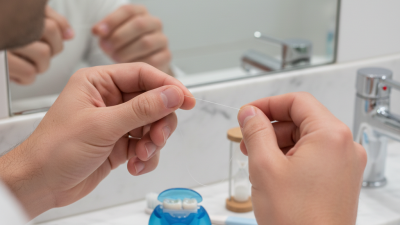
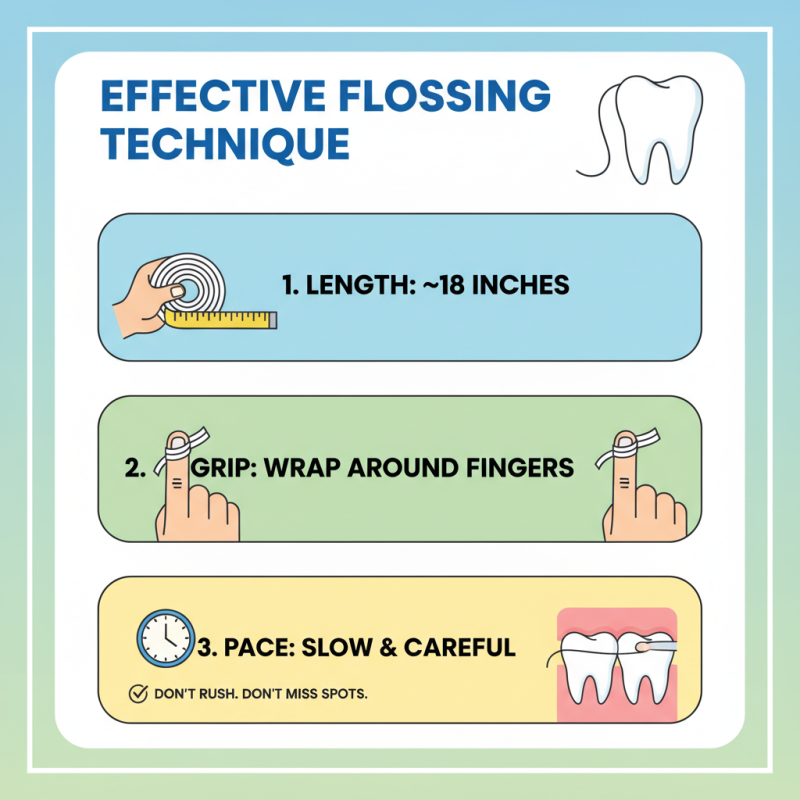
To use dental floss effectively, take about 18 inches of floss. Wrap most of it around your middle fingers. Hold it tightly and gently slide it between your teeth. Be careful not to snap it against the gums. This can cause irritation and bleeding. Instead, use a gentle sawing motion. If you find it challenging, consider using floss picks or holders.
Even with the best intentions, many struggle with consistency. It’s easy to skip flossing after a long day. However, the effort is worth it for long-term oral health. Reflecting on your habits is key. Are you making time for this vital step? Consider setting reminders or pairing it with another routine. Small changes can lead to better results.
2026 Dental Floss Usage and Its Impact on Oral Health
This chart illustrates the percentage of people who use dental floss daily, weekly, and not at all, along with their reported oral health status. Regular dental floss usage is important for maintaining optimal oral health.
The Science Behind Flossing: How It Reduces Plaque and Gum Disease Risk
Flossing is essential for maintaining oral health. Research indicates that consistent use of dental floss can reduce plaque buildup by 40%. Plaque is a sticky film of bacteria forming on teeth and gums. If not removed, it can harden into tartar, leading to gum disease.
A report from the American Dental Association highlights that 70% of cavities occur between teeth. These areas are often hard to reach with a toothbrush alone. Flossing helps remove food particles and plaque in these tight spaces. Skipping flossing could mean missing these hidden spots, increasing the risk of tooth decay.
Many people do not floss correctly. Some may be too aggressive, causing gum irritation. Others may not use enough length, which limits effectiveness. Research from the Journal of Periodontology shows that improving flossing technique can lead to better outcomes. This might mean practicing a gentler touch or wrapping floss correctly around fingers. Making these small changes can have significant effects on oral health.
2026 How to Use Dental Floss Effectively for Optimal Oral Health?
| Technique |
Effectiveness (1-10 Scale) |
Recommended Frequency |
Plaque Reduction (%) |
Gum Disease Risk Decrease (%) |
| Traditional Flossing |
9 |
Daily |
40% |
30% |
| Floss Picks |
8 |
Daily |
35% |
25% |
| Water Flosser |
7 |
Daily |
30% |
20% |
| Interdental Brushes |
8 |
Daily |
50% |
35% |
Step-by-Step Guide: Techniques for Effective Dental Flossing
Using dental floss effectively is key to maintaining oral health. Begin with choosing an appropriate length of floss, around 18 inches. This allows for better grip and movement. Wrap the ends around your fingers for better control. Don't rush. Take your time to avoid missing spots.
As you insert the floss between your teeth, gently curve it against the tooth surface. Be careful not to snap it, as this could hurt your gums. Use a sliding motion to remove debris. It's common to feel awkward at first. You might miss some areas, but practice will improve your technique. Flossing once a day can significantly reduce cavities.
Remember, consistency is vital. Aim for a specific time, like before bed. If you skip days, plaque can build up. Reflect on your routine. Are you thorough? Check your technique regularly. Flossing doesn’t have to be perfect, but the aim is to get better. Pay attention to how your gums feel. If they bleed, it’s a sign you need to be more gentle. With perseverance, you will find the right approach for optimal oral health.
Choosing the Right Dental Floss: Types and Their Benefits
Choosing the right dental floss can significantly impact oral health. There are several types available, each with unique benefits. Waxed floss is popular for its strength and durability. This option glides easily between teeth. Unwaxed floss is thinner and may be useful in tight spaces. It can sometimes shred, so care is essential.
A recent study indicated that people who floss regularly reduce gum disease risk by up to 40%. That's impressive! However, many still neglect this crucial step. Finding the right type of floss is just the beginning.
Tip: Consider using a floss holder if you struggle with dexterity. It can make the process easier. Another tip is to choose flavored floss for a fresher feel. Some users report being more motivated to floss with minty options. Remember, the right dental floss can be a game-changer for your routine. Evaluate your needs carefully!
The Importance of Flossing Frequency: Recommendations from Dental Experts
Flossing is crucial for maintaining oral health. Dental experts recommend flossing at least once a day. This frequency helps remove plaque from areas a toothbrush can't reach. Many people neglect this simple task. Some might floss once a week or not at all. This inconsistency can lead to gum disease and cavities. It's vital to establish a routine.
Even with a daily habit, technique matters. Holding the floss properly can make a big difference. The floss should hug each tooth gently. Avoid snapping it, as this can damage gums. If you struggle with technique, consider seeking advice from a dental professional. They can provide personalized tips for improvement.
Regular assessment of flossing habits can be enlightening. Are you using the right amount of floss? Is it getting caught between teeth? Reflect on your practices. Improvement is an ongoing journey in oral care. Flossing should be a natural part of your daily routine, much like brushing. Remember, it’s not just about flossing; it’s about doing it right.