How to Use a Rubber Interdental Brush for Optimal Oral Hygiene?
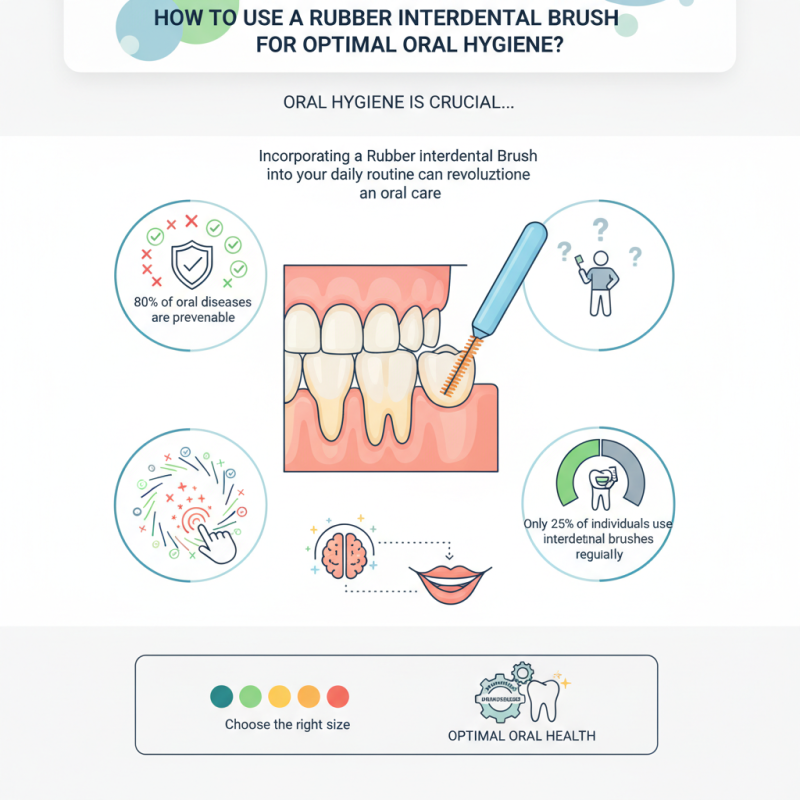
Oral hygiene is crucial for overall health. The Rubber Interdental Brush has emerged as a leading tool in this domain. According to the American Dental Association, nearly 80% of oral diseases are preventable with proper cleaning methods. Using a Rubber Interdental Brush can significantly enhance plaque removal, especially between teeth where traditional floss might fall short.
Dr. Emily Carter, a renowned dental hygienist, states, "Incorporating a Rubber Interdental Brush into your daily routine can revolutionize your oral care.” This tool reaches areas that brushing alone cannot, addressing hidden plaque effectively. However, many still overlook this vital aspect of oral hygiene. A 2022 survey revealed that only 25% of individuals use interdental brushes regularly. This gap in knowledge highlights the need for better education on hygiene practices.
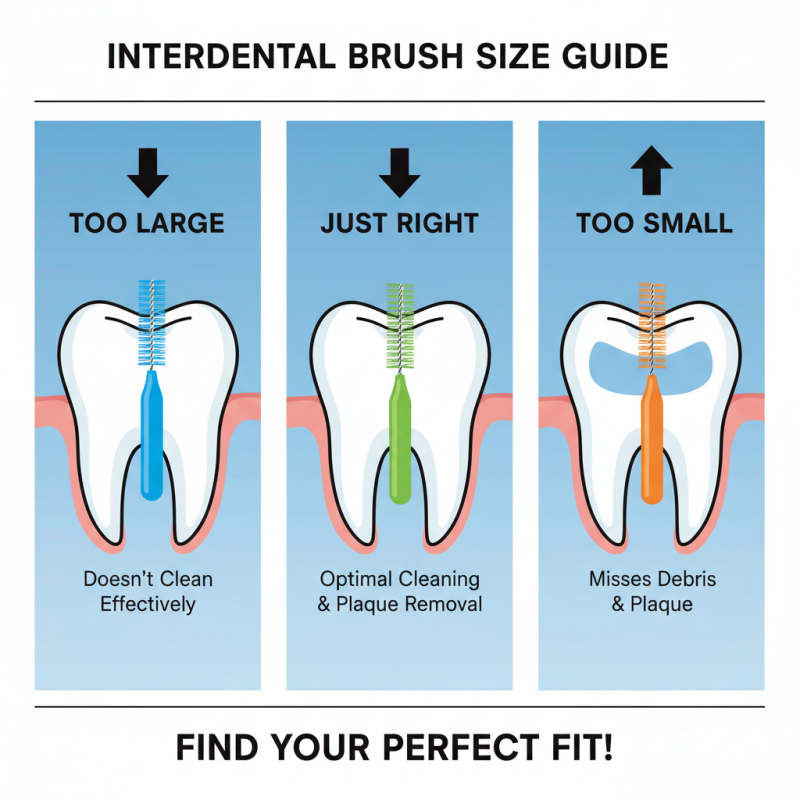
While the Rubber Interdental Brush is highly effective, users must remember to choose the right size for their gaps. Improper sizing can lead to discomfort or ineffective cleaning. Overcoming these challenges requires both awareness and practice. Emphasizing these points can help individuals achieve and maintain optimal oral health.
Understanding the Role of Rubber Interdental Brushes in Oral Hygiene
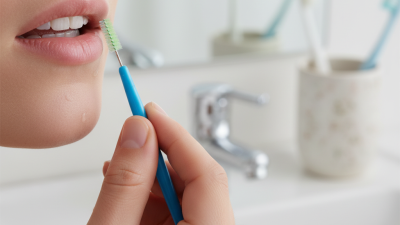
Rubber interdental brushes play a crucial role in maintaining oral hygiene. They are designed to clean the spaces between teeth, where toothbrushes often cannot reach. These brushes are effective in removing plaque and food particles. Using them daily can significantly reduce the risk of cavities and gum disease. However, many people overlook this important step in their oral care routine.
The unique design of rubber interdental brushes helps them adapt to various tooth gaps. They can be used comfortably, providing a gentle yet thorough cleaning experience. Some users may struggle with the proper technique initially. It's essential to gently insert the brush without forcing it into the space. Consistent practice is key for achieving optimal results.
Not everyone finds these brushes easy to incorporate into their daily routine. Some may feel they don’t need them if they already floss. But neglecting interdental cleaning can lead to unforeseen dental issues later. Taking a moment to evaluate our hygiene habits can lead to better health outcomes. Remember, oral hygiene is not just about brushing; it's about embracing all tools available for a healthier smile.
Choosing the Right Size Rubber Interdental Brush for Your Needs
Choosing the right size rubber interdental brush is crucial for effective oral hygiene. Brushes come in various sizes, making it essential to find one that fits your unique needs. If the brush is too large, it may not clean effectively between your teeth. However, a brush that is too small can miss debris, leaving plaque buildup behind.
When selecting a brush, consider your teeth's spacing. If you have gaps, a larger size may work better. For tighter spaces, a smaller brush will fit properly. You can also grab a variety of sizes for different areas of your mouth. Experimenting is key to finding the perfect fit.
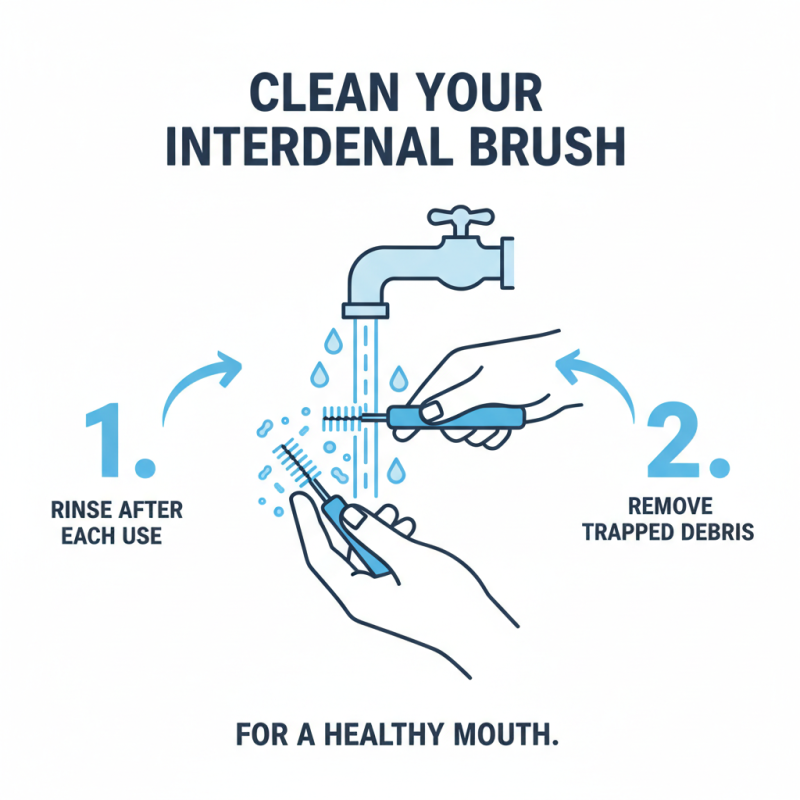
Tips for using your interdental brush effectively: Ensure you insert the brush gently to avoid hurting your gums. Move the brush back and forth carefully. Rinse the brush frequently during use to remove debris. Regular cleaning of your brush is equally important; replace it every few months to ensure optimal performance. It's easy to overlook these details, but they can make a significant difference in your oral health.
Step-by-Step Guide to Properly Using a Rubber Interdental Brush
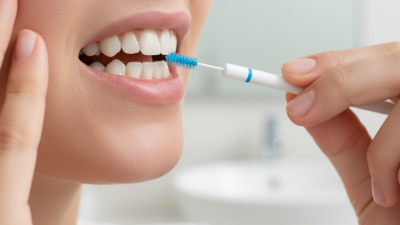
Using a rubber interdental brush can greatly enhance your oral hygiene routine. Start by selecting the right size for your gaps. If it feels too tight, try a smaller size. Comfort is vital. Choose a well-lit area to ensure you can see what you’re doing.
Gently position the brush between your teeth. Avoid forcing it; this can cause discomfort or injury. Move it back and forth to clean effectively. Pay special attention to areas that trap food particles. Some people may struggle to reach the back teeth. Don’t hesitate to adjust your angle. It’s a learning process.
After use, rinse the brush under water. Check for any bristle wear; you may need a replacement. It’s common to forget sometimes, but maintenance is crucial for hygiene. Keep it in a dry place, away from bacteria. Regular cleaning of your interdental brush will help you stay on top of your oral health.
Integrating Rubber Interdental Brushes into Your Daily Oral Care Routine
Integrating rubber interdental brushes into your daily routine can significantly enhance your oral hygiene. Studies show that using interdental brushes can reduce plaque by up to 40% compared to traditional flossing methods. This statistic highlights their effectiveness, especially for people with wider gaps between teeth.
Establish a consistent schedule for using these brushes. Aim for once in the morning and once at night. Start gently and gradually increase pressure to avoid gum irritation. Many overlook the angle of the brush; a 70-degree tilt may yield better results. Pay attention to hard-to-reach areas. Discomfort is common when first using these tools. Reflect on your technique if irritation persists.
The materials used in rubber interdental brushes are gentle on gums. They provide a unique cleaning experience. However, using them incorrectly can lead to ineffective cleaning. Be mindful of your approach. Regular practice helps in mastering the technique. Consider tracking your progress. This can show improvements in your oral health over time.
How to Use a Rubber Interdental Brush for Optimal Oral Hygiene
| Step |
Description |
Benefits |
| 1 |
Select the appropriate size of the interdental brush for your gaps. |
Ensures thorough cleaning without damaging gums. |
| 2 |
Insert the brush gently between teeth at an angle. |
Removes plaque and food particles effectively. |
| 3 |
Move the brush back and forth gently a few times. |
Cleans areas between teeth without causing discomfort. |
| 4 |
Rinse the brush and repeat for all gaps. |
Ensures comprehensive cleaning for better oral health. |
| 5 |
Clean the brush after use and store it in a hygienic place. |
Maintains hygiene and prolongs the life of the brush. |