How to Use Ortho Brush for Effective Oral Care?
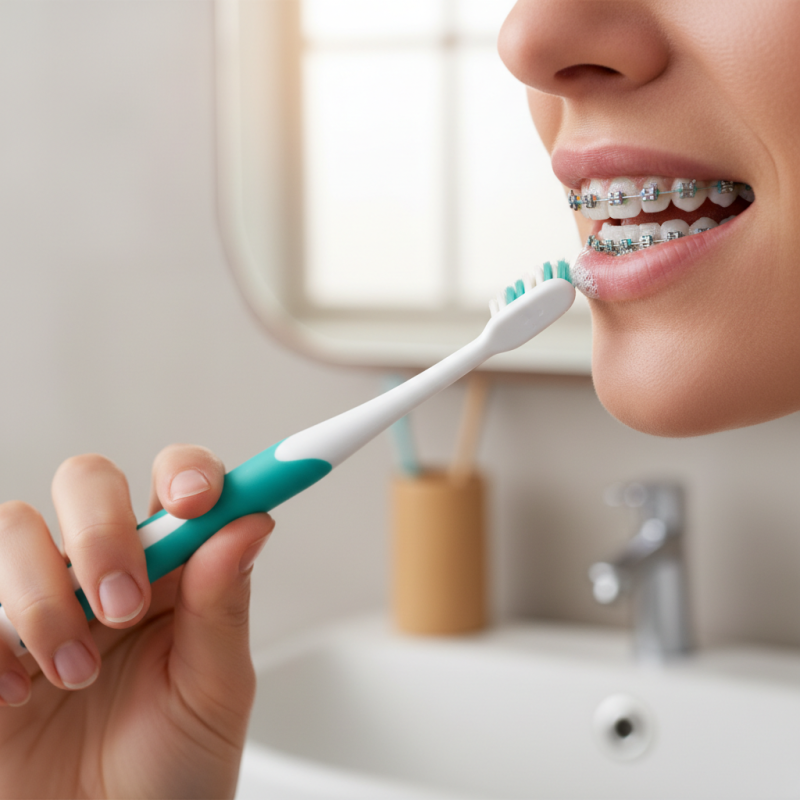
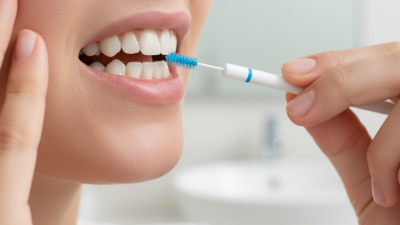
Maintaining oral hygiene is essential for overall health. Using an Ortho Brush can greatly enhance your oral care routine. This specialized brush is designed for individuals with braces or dental appliances. It helps clean hard-to-reach areas that regular brushes often miss.
When using the Ortho Brush, pay attention to technique. A gentle approach is necessary to avoid damaging braces or gums. It might take time to master the right movements. Don't hesitate to adjust your grip or angle to find what works best for you. Some may find it challenging to navigate around brackets and wires, leading to frustration.
Regular practice with the Ortho Brush can lead to noticeable improvements. Consistency is key. You may not see instant results, but over time, your oral health will benefit. Reflect on your progress and identify areas that need more attention. Embrace the learning process as you refine your skills with the Ortho Brush.
Understanding the Ortho Brush: Features and Benefits
The Ortho Brush stands out due to its unique features designed for those with orthodontic appliances. Its specialized bristles can reach tight spaces around brackets and wires. This ensures effective plaque removal and promotes healthy gums. The compact head makes it easier to maneuver in the mouth. Many users find that regular brushes cannot reach every area as efficiently.
One key benefit is the ability to maintain oral hygiene without causing discomfort. The Ortho Brush is gentler on sensitive areas. However, some may struggle with using it correctly. It may take time to adjust to the different angle and pressure needed. Consistency in use is vital, yet some users forget to brush after meals. Over time, they notice plaque buildup, leading to frustration.
A major feature is the soft bristle variety. While soft bristles are less harsh, some users mistakenly believe firmer bristles clean better. This misconception can hinder their oral care routine. Many find that the gentle touch actually helps maintain enamel health. A reflective approach to brushing habits can lead to better outcomes.
Preparing Your Teeth for Effective Brushing with Ortho Brush
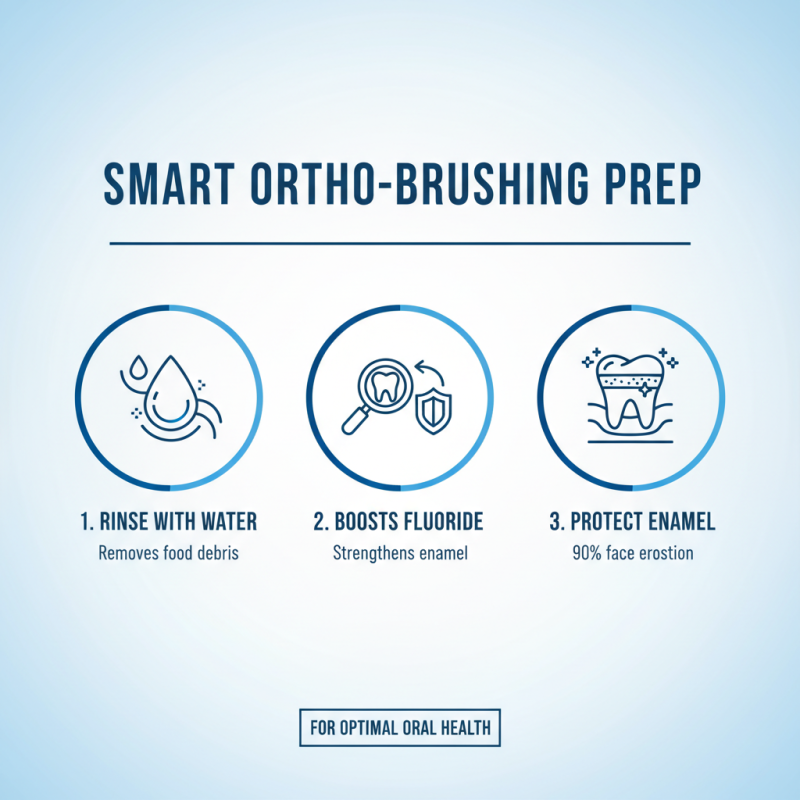
Preparing your teeth for effective brushing with an ortho brush is crucial for optimal oral health. Start by rinsing your mouth with water. This simple step helps remove food debris. Studies show that cleaning teeth before brushing increases fluoride absorption, which strengthens enamel. Enamel is essential; 90% of adults have experienced enamel erosion at some point.
Next, position the ortho brush correctly. The angled bristles should contact the gum line. Many people overlook this detail. A proper angle ensures plaque removal. Research indicates that improper brushing techniques can leave up to 50% of plaque on teeth, leading to cavities. Aim for gentle pressure; excessive force can hurt gums.
Don’t forget to brush for at least two minutes. It’s easy to rush through, yet a survey revealed that only 18% of individuals brush for the recommended time. Use small, circular motions to clean every surface. After brushing, inspect your teeth. Any missed spots are areas for improvement. Regular reflections can lead to better habits. Make your oral care routine part of a daily lifestyle.
Step-by-Step Guide to Using Ortho Brush Properly
Using an ortho brush can transform your oral care routine. It is specially designed for individuals with braces, ensuring effective cleaning around brackets and wires. Studies suggest that proper oral hygiene can reduce plaque by up to 60%, which is crucial for those undergoing orthodontic treatment.
To use the ortho brush effectively, hold it at a 45-degree angle. Start in the back of your mouth, moving gently along the gum line. The vibrating bristles reach areas that standard brushes might miss. It's essential to spend at least two minutes brushing. Remember to clean all surfaces of each tooth. If you notice discomfort, evaluate your technique; you may be applying too much pressure.
**Tips:** Rinse your ortho brush after each use to remove food particles. Consider setting a timer to ensure you brush for the full two minutes. Check in with your orthodontist regularly; misaligned braces may affect your cleaning efficacy. Mistakes happen; reflect on your technique often. Take it slow, and learn what works for you.
Ortho Brush Effectiveness Comparison
This bar chart illustrates the effectiveness of using an ortho brush in reducing plaque levels over time. As shown, significant reductions in plaque levels are observed after each time period, demonstrating the brushing efficiency of the ortho brush.
Tips for Maintaining Your Ortho Brush for Longevity
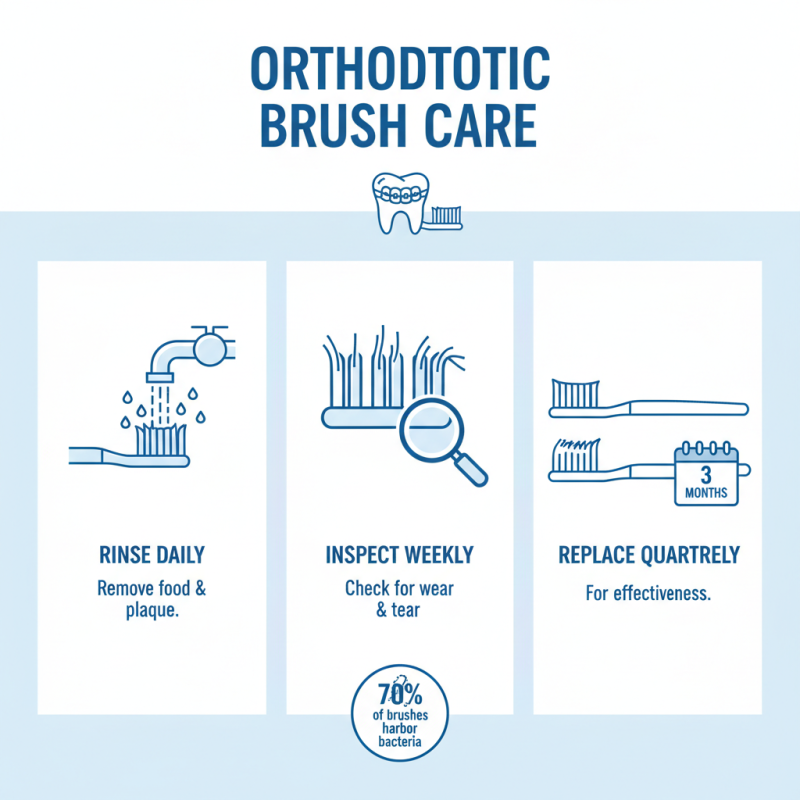
Maintaining your ortho brush is crucial for effective oral care. An industry report indicates that over 70% of toothbrushes harbor harmful bacteria if not cleaned regularly. To extend the life of your ortho brush, rinse it thoroughly after each use. Remove food particles and plaque that can accumulate. The bristles should be inspected frequently for wear and tear. A worn brush is less effective.
Storing your ortho brush correctly can also make a difference. Keep it upright in a holder, allowing it to air dry. Avoid storing it in a closed container, as moisture fosters bacterial growth. According to dental experts, a wet brush can become a breeding ground for germs, negating its cleaning purpose. Sometimes, you might forget to replace your brush every three months, causing reduced efficacy.
A well-maintained ortho brush can enhance your oral hygiene. Yet, many overlook this aspect. The simple act of soaking the brush head in an antibacterial solution can help combat bacteria. However, ensure you don’t leave it too long as it may damage the bristles. Regularly reflecting on your brushing habits can lead to better oral health outcomes.
Common Mistakes to Avoid When Using Ortho Brush
Using an ortho brush can significantly improve oral care, but many common mistakes can undermine its effectiveness. Data indicates that around 30% of people do not use the brush correctly. Misusing it can leave plaque and bacteria behind, leading to cavities and gum diseases. Pay attention to the angle of the brush; it should be at 45 degrees to the gum line.
One common mistake is not cleaning the ortho brush itself. Research shows that a dirty brush can harbor bacteria. Always rinse it thoroughly after each use. Don’t forget to replace it every three months. Old brushes lose their effectiveness and can cause more harm than good.
Tip: Use gentle, circular motions rather than harsh back-and-forth scrubbing. This technique protects your gums and teeth. Avoid applying too much pressure, as this can damage soft tissue. Taking your time is essential—spending at least two minutes brushing is crucial for thorough cleaning. Adjust your routine as needed to ensure maximum dental hygiene.
How to Use Ortho Brush for Effective Oral Care? - Common Mistakes to Avoid When Using Ortho Brush
| Tip/Advice |
Description |
Common Mistake |
Avoidance Strategy |
| Use Light Pressure |
Apply gentle pressure to avoid damaging gums. |
Pressing too hard on the gums. |
Be mindful of pressure while brushing. |
| Brush in Circular Motions |
Use circular motions to effectively clean braces. |
Brushing back and forth. |
Focus on circular brushing technique. |
| Rinse Thoroughly |
Rinse mouth well to remove remaining debris. |
Skipping rinsing after brushing. |
Establish a routine to rinse post brushing. |
| Change Brush Regularly |
Replace the ortho brush every 3 months. |
Using an old or worn-out brush. |
Keep track of brush replacement dates. |
| Use Specific Ortho Brushes |
Utilize orthodontic brushes designed for braces. |
Using standard toothbrushes instead. |
Invest in orthodontic-specific brushes. |