Inquiry
Form loading...

What Is Denture Cleaner and How Does It Work?

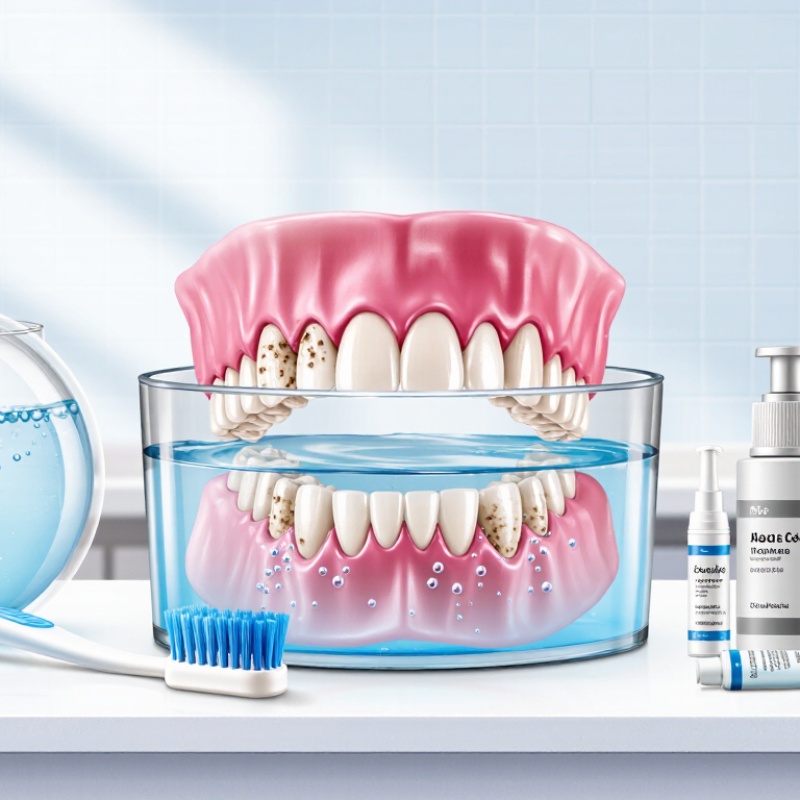
Denture Cleaner is designed to remove food particles, stains, odor, and microbial buildup from removable dentures. It may come as an effervescent tablet, soaking solution, foam, gel, or ultrasonic system. Each type works differently, but most products loosen deposits through surfactants, oxygen-releasing ingredients, or mild enzymes. The bubbling action can reach small spaces around artificial teeth and the pink acrylic base.

It is not magic.

A practical cleaning routine usually begins with rinsing dentures under cool or lukewarm water. A soft denture brush can then remove loosened debris without scratching the surface. Many cleaning tablets release oxygen bubbles that lift stains and reduce odor-causing residue. Some formulas also contain antimicrobial ingredients, although results vary by product and usage time. Prosthodontist Dr. Alan R. Carr has emphasized, “Dentures should be cleaned daily, just like natural teeth.”

That advice matters. Dentures remain in contact with sensitive oral tissues for many hours. Leaving them uncleaned may encourage plaque-like buildup, unpleasant smells, and irritation. However, a Denture Cleaner cannot correct every problem. It will not repair cracks, remove severe hardened deposits, or replace professional examinations. Hot water can distort denture materials, while household bleach may damage color and structure. These are easy mistakes.

This guide explains what Denture Cleaner contains, how it works, and when each method makes sense. It also considers soaking time, material compatibility, rinsing, and real-world convenience. The best routine is not always the strongest one. It is the routine a person can follow safely every day.
What Is Denture Cleaner and How Does It Work?

What Is Denture Cleaner?

What Is Denture Cleaner?

Denture cleaner is a product designed to remove food particles, plaque, stains, and odor from removable dentures. It may come as a soaking tablet, liquid solution, powder, or gentle cleansing paste. Unlike ordinary soap, it is formulated for denture materials, including acrylic bases and artificial teeth. Many soaking cleaners release oxygen bubbles that loosen debris. Some also contain ingredients that help reduce odor-causing bacteria. They clean surfaces, but they do not replace professional dental examinations.

A practical routine matters. Rinse dentures after meals, then brush them gently with a soft denture brush. Avoid hot water because it can distort the shape. Avoid whitening toothpaste too; its abrasives may leave tiny scratches. Place the dentures in a clean container with the recommended solution and follow the stated soaking time. Longer soaking is not automatically better. I once assumed stronger cleaning meant safer cleaning, but that assumption can damage certain materials. Always rinse dentures thoroughly before wearing them, and ask a dental professional about cleaners for metal components or sensitive tissues.

Tips: Use a fresh solution each time. Keep dentures away from children and pets. Clean the storage container daily. If the fit changes, the surface becomes rough, or irritation continues, stop experimenting and arrange a dental check. Dawn-like residue or a persistent smell also deserves attention. Check the label carefully, because cleaning methods vary.

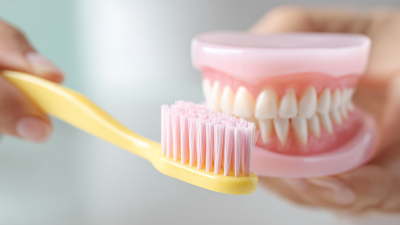
How Denture Cleaners Remove Debris and Microorganisms

Denture cleaner is a product designed to loosen food particles, stains, and microorganisms from removable dentures. Most soaking cleaners release oxygen bubbles when mixed with water. These bubbles help lift debris from small grooves and textured surfaces. Some formulas also contain surfactants or enzymes. Surfactants reduce surface tension, while enzymes can break down protein-based residue. The process is helpful, but it is not magic.

Microorganisms can remain around the denture base, teeth, and clasps after eating. Soaking reduces many bacteria and fungi when used for the stated time. It does not replace brushing or guarantee complete sterilization. Dental professionals commonly recommend gentle brushing with a denture brush before or after soaking. Avoid very hot water, which may distort the denture’s shape. I once assumed longer soaking meant better cleaning, but that can damage certain materials. The instructions matter more than personal guesswork.

Tips: Rinse the denture before soaking. Use fresh solution each time. Brush gently, especially around narrow edges. Rinse thoroughly before placing it in your mouth. Clean the storage container too, because residue can collect there. If the denture develops a persistent odor, rough coating, or unusual discoloration, ask a dental professional for advice. Some problems need inspection rather than stronger cleaner.

Types of Denture Cleaners and Their Key Ingredients

What Is Denture Cleaner and How Does It Work?

Denture cleaner removes plaque, food particles, stains, and odor from removable dentures. It is not toothpaste. Regular toothpaste may contain abrasive particles that scratch acrylic surfaces. Those scratches can hold bacteria and create a dull, rough finish.

The American College of Prosthodontists reports that about 36 million Americans are edentulous, and around 90% wear dentures. The World Health Organization’s Global Oral Health Status Report 2022 also identifies oral disease as affecting approximately 3.5 billion people worldwide. These figures show why daily denture hygiene matters.

Effervescent tablets commonly use sodium percarbonate or peroxide compounds. They release oxygen bubbles that loosen debris and reduce some microorganisms. Soaking solutions may contain surfactants, enzymes, or mild chelating agents. Surfactants help lift oily residue. Enzymes can break down protein-based deposits.

Creams and pastes provide gentle polishing, while ultrasonic cleaners use sound waves in water. However, no method removes everything perfectly. Metal components may react badly to certain chemicals, especially chlorine-based solutions.

Tips: Rinse dentures after meals, then brush them with a soft denture brush. Use cool or lukewarm water. Hot water can distort the base. Follow the cleaner’s soaking time exactly; longer soaking is not automatically better. Avoid household bleach unless a dental professional specifically advises it. Foam looks convincing, but visible bubbles do not prove complete cleaning. Inspect the denture weekly under bright light, and ask a dental professional about persistent stains, odor, or irritation.

How to Use Denture Cleaner Safely and Effectively

Denture cleaner is a product designed to remove plaque, food residue, and stains from removable dentures. Tablets and soaking solutions often use oxygen-releasing agents, surfactants, or enzymes. These ingredients loosen deposits that brushing may miss. Cleaner is not always a sterilizer.

The need is substantial. The CDC’s 2017–March 2020 NHANES report found complete tooth loss in 17.3% of adults aged 65 and older. Daily denture care matters. Remove the dentures before cleaning. Rinse away loose food under cool or lukewarm water. Hot water can distort the acrylic base. Use a soft denture brush and a non-abrasive cleanser. Regular toothpaste may scratch the surface.

Follow the soaking time on the product label. More time is not better. Rinse the dentures thoroughly before placing them in your mouth. Never use household bleach, boiling water, or harsh powders. These can damage materials or irritate oral tissues. Clean your gums, tongue, and palate gently with a soft toothbrush. A common mistake is cleaning the denture but ignoring the mouth. Store it safely in water when appropriate, unless the manufacturer advises otherwise. Inspect for cracks, sharp edges, or changes in fit. The American College of Prosthodontists recommends professional evaluation when discomfort, looseness, or persistent odor develops. I still think “stronger cleaning” sounds reassuring, but gentle and consistent care is usually safer.

What Is Denture Cleaner and How Does It Work? - How to Use Denture Cleaner Safely and Effectively

Cleaner Type How It Works Typical Cleaning Time Suitable Use Important Safety Guidance
Effervescent soaking tablet Releases oxygen and cleaning agents in water to loosen food particles, stains, and odor-causing deposits. Usually 3–15 minutes, depending on the product instructions. Routine cleaning of removable complete and partial dentures. Use only the stated soaking time. Rinse the denture thoroughly before placing it in the mouth. Do not swallow the solution.
Alkaline peroxide solution Uses oxygen-based chemistry to help break down organic debris and reduce surface staining. Commonly 5–30 minutes; some products allow overnight soaking. Daily or regular soaking when compatible with the denture material. Follow the label exactly. Extended soaking may be unsuitable for some appliances, soft liners, or attachments.
Enzyme-based cleaner Uses enzymes to help digest protein-based deposits such as saliva and food residues. Often 15–30 minutes or as directed. Removal of organic deposits from removable dentures and appliances. Do not use hot water unless specifically permitted. Rinse completely after cleaning.
Antimicrobial soaking cleaner Contains cleansing ingredients intended to reduce microorganisms on the appliance surface while loosening debris. Varies by formulation; commonly 5–15 minutes. Routine hygiene when recommended for the specific denture material. It does not replace brushing or professional dental care. Never reuse a cleaning solution unless the instructions specifically allow it.
Denture-cleaning paste or gel Provides mild physical cleaning when applied with a denture brush or soft brush. About 1–2 minutes of gentle brushing. Removing daily plaque, loose debris, and light surface deposits. Use a non-abrasive product made for dentures. Regular toothpaste may be too abrasive and can create microscopic scratches.
Ultrasonic cleaner with water High-frequency vibrations create microscopic bubbles that help dislodge debris from surfaces and small areas. Commonly 3–10 minutes, according to the device instructions. Additional cleaning for removable dentures, retainers, and some dental appliances. Ultrasonic cleaning may not remove all stains or kill every microorganism. Confirm compatibility with metal parts, soft liners, and attachments.
Manual brushing with water Gentle mechanical action removes food particles and loose plaque from the denture surface. Approximately 2 minutes, ideally after meals or at least once daily. Essential everyday cleaning for all removable dentures. Brush over a basin filled with water or a folded towel to reduce breakage risk if the denture is dropped. Avoid stiff bristles.
Recommended basic procedure Combines rinsing, gentle brushing, appropriate soaking, thorough rinsing, and safe storage. Usually 5–15 minutes, excluding any required soaking time. General daily denture hygiene. Remove dentures before sleeping unless a dental professional advises otherwise. Clean the mouth and gums gently, and keep the appliance moist when stored if appropriate.
Water temperature Cool or lukewarm water removes debris without exposing the appliance to excessive heat. Use during rinsing and brushing. All removable dentures and many dental appliances. Avoid hot or boiling water because heat can distort some denture materials and affect fit.
Materials requiring extra care Soft liners, metal components, precision attachments, and some acrylic materials may react differently to cleaning chemicals. Follow the appliance-specific instructions. Partial dentures and appliances with specialized components. Ask a dental professional before using peroxide, hypochlorite, acidic cleaners, or prolonged soaking on sensitive materials.
Products to avoid Some household chemicals and abrasive products can scratch, discolor, corrode, or weaken denture materials. Not applicable. Applies to all removable dentures unless specifically approved by a dental professional. Do not use bleach unless a dental professional specifically instructs you to do so. Avoid abrasive toothpaste, scouring powders, very hot water, and unapproved household cleaners.
Rinsing after cleaning Removes residual cleaning agents and loosened debris from the appliance. Rinse under running water for several seconds or as directed. Required after chemical soaking or brushing with a cleaning product. Do not put a denture into the mouth while it still tastes or smells strongly of cleaning solution.
Professional maintenance Dental professionals can inspect fit, remove hardened calculus, and identify damage that home cleaning cannot correct. Schedule according to individual dental advice. All denture wearers, especially those with persistent odor, irritation, looseness, or visible deposits. Seek professional advice if the denture causes sores, pain, cracking, discoloration, or difficulty chewing.
Safety reminder: Denture cleaner is intended for removable dental appliances, not for use directly in the mouth. Always follow the product label and the cleaning instructions provided by a dental professional.

Denture Cleaner Precautions and Common Mistakes

What Is Denture Cleaner and How Does It Work?

Denture cleaner is designed to remove food debris, stains, and microbial buildup from removable dentures. Effervescent tablets release oxygen bubbles, while some solutions use mild chemical agents. These ingredients loosen deposits that brushing alone may miss. A 2022 report from the World Health Organization linked oral diseases to nearly 3.5 billion people worldwide, showing why daily oral hygiene deserves practical attention.

Precautions matter more than stronger cleaning. Rinse the denture before soaking it. Use cool or lukewarm water, never boiling water, because heat can distort the base. Avoid household bleach, alcohol, abrasive toothpaste, and unapproved disinfectants. They may damage surfaces, irritate tissues, or corrode metal components. The American College of Prosthodontists reports that about 36 million Americans are completely edentulous, so these mistakes affect many users. Follow the cleaner’s stated soaking time. Longer is not automatically safer.

Do not wear a denture while it is soaking. Remove it at night unless a dental professional advises otherwise, and clean your gums gently with a soft brush. Rinse thoroughly before placing it back. A small bowl prevents accidental drops and cracked acrylic. Many people forget this detail. Dentures also need professional checks; poor fit can create sore spots even when the appliance looks clean. The routine is not foolproof. If odor, stains, pain, or looseness persists, consult a dentist instead of repeatedly increasing the chemical dose.