How to Choose the Best Soft Toothbrush for Your Oral Care?
Selecting the right soft toothbrush is essential for maintaining optimal oral health. A soft toothbrush effectively cleans teeth while being gentle on gums. Many people overlook this key aspect of dental care, leading to discomfort and potential damage.
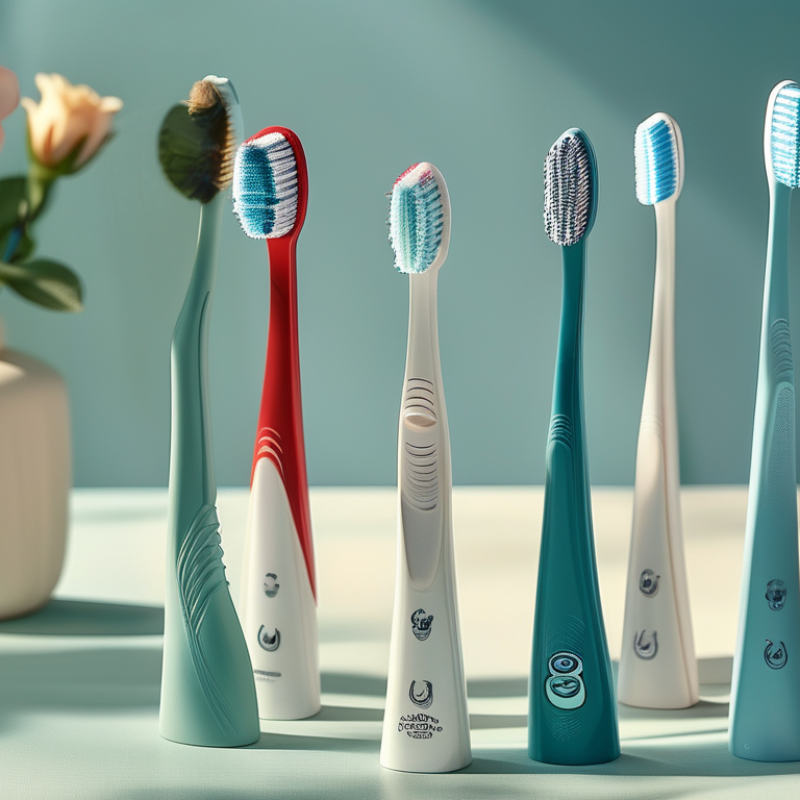
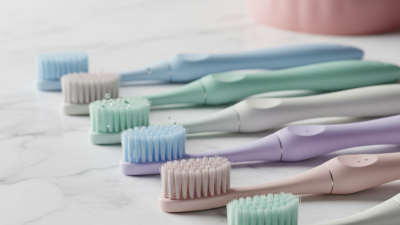
Soft toothbrushes come in various shapes and sizes, making the choice even more daunting. It's important to consider factors like bristle density and handle design. Consulting a dental professional can provide valuable insights, but personal preference plays a significant role too.
Choosing a soft toothbrush may seem simple, yet it requires careful thought. You might find that a toothbrush does not fit your mouth comfortably. Reflect on your past choices, as they influence your current oral hygiene routine. In the end, the right soft toothbrush can contribute significantly to a healthier smile.
Understanding the Importance of a Soft Toothbrush for Oral Health
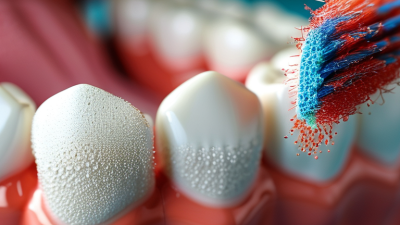
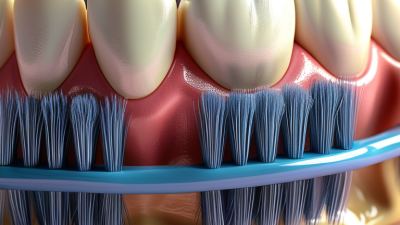
Understanding the importance of a soft toothbrush for oral health is essential. Research shows that approximately 80% of dental professionals recommend soft bristles for daily brushing. A soft toothbrush is effective in removing plaque while being gentle on the gums. Excessive pressure from harder brushes can lead to gum recession, potentially causing long-term damage.
The American Dental Association states that soft bristles are less likely to cause abrasion on tooth enamel. Studies indicate that individuals who use soft toothbrushes experience fewer issues with sensitivity. A study published in the Journal of Clinical Dentistry found that participants using soft brushes reported a 30% reduction in bleeding gums compared to those with medium or hard bristles.
Choosing the right toothbrush matters. Many overlook the risk of gum irritation and enamel wear. Soft-bristled brushes promote better gum health and help maintain a bright smile. Even those with aggressive brushing habits can benefit from making the switch to a soft brush. Regular visits to dentists can reinforce these recommendations and guide individuals toward better oral care practices.
Key Features to Look for in a Soft Toothbrush
Selecting the right soft toothbrush is crucial for effective oral care. Soft bristles effectively clean teeth while minimizing the risk of gum damage. According to the American Dental Association, nearly 70% of dental professionals recommend soft-bristled toothbrushes for most people. They help remove plaque while being gentle on sensitive gums.
When looking for a soft toothbrush, consider the handle's design. An ergonomic grip can improve brushing technique. A rubberized or textured handle can prevent slipping. Additionally, look for a toothbrush with multi-level bristles. These can reach into crevices between teeth more effectively. The size of the brush head also matters. A smaller head can navigate hard-to-reach areas with ease.
Tips: Always replace your toothbrush every three months. Worn bristles reduce effectiveness. Remember to use a gentle touch while brushing. Brushing too hard can harm your gums. This could lead to receding gums and increased sensitivity. Regular dental check-ups complement your home care routine. They are essential for maintaining oral health. Balancing personal care with professional help is key.
Types of Soft Toothbrushes: Which is Right for You?
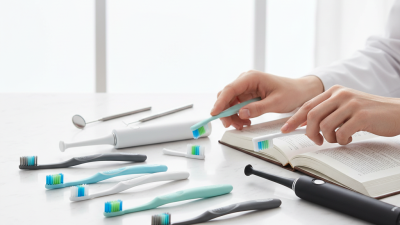
Choosing the right soft toothbrush is essential for maintaining good oral health. There are several types to consider. Each type offers unique benefits based on your specific needs. A standard soft toothbrush is perfect for daily cleaning. Its gentle bristles effectively remove plaque without damaging your gums.
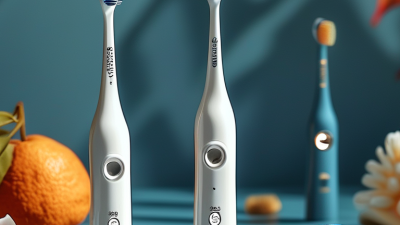
Another option is an electric soft toothbrush. Many find these easier to use. The consistent motion can be beneficial for those with limited dexterity. However, some people might feel overwhelmed by the technology. A manual toothbrush allows for more control but requires proper technique.
Beyond the basics, consider your personal preferences. Some prefer a larger head for a wider reach, others opt for a compact head for precision. Bristle firmness matters. A softer brush can be less irritating but may not clean effectively for everyone. Assess your sensitivity and comfort level. It’s a personal journey that requires adjustment and reflection. Explore the choices and find what truly works for you.
How to Properly Use a Soft Toothbrush for Maximum Effectiveness
When using a soft toothbrush, proper technique is crucial for optimal oral care. The American Dental Association recommends using gentle, circular motions to clean teeth effectively. Avoid aggressive brushing, as it can lead to gum recession and enamel erosion. Studies show that soft bristles reduce these risks while still removing plaque.
It's essential to angle the brush at 45 degrees towards the gum line. This position helps target plaque beneath the gum tissue. The Centers for Disease Control and Prevention highlight that maintaining this angle can reduce gum disease significantly. It’s also vital to clean your tongue. A soft toothbrush can gently eliminate bacteria, freshening your breath.
Brushing for two minutes is ideal. Many people don’t adhere to this recommendation, leading to incomplete cleaning. Timing yourself might be a beneficial approach to ensure thorough brushing. Remember to replace your toothbrush every three to four months for maximum effectiveness. Regular replacement prevents the bristles from fraying and losing their cleaning capability. If you notice wear before this period, consider changing it sooner. Oral care is a journey worth investing in.
Maintaining Your Soft Toothbrush: Tips for Longevity and Hygiene
To maintain your soft toothbrush, regular cleaning is essential. Rinse it thoroughly after each use. This removes toothpaste and debris. Store it upright to air dry. Avoid covering the brush head, as moisture can promote bacterial growth.
Replace your soft toothbrush every three to four months. Worn bristles do not clean effectively. Set a reminder on your phone, so you don’t forget. Over time, bristles may fray, losing their soft touch. Inspect your toothbrush regularly. If it smells or looks dirty, it’s time for a change.
Consider sanitizing your toothbrush occasionally. You could soak it in mouthwash or bleach solution. Remember to rinse well afterward. This can help to keep it hygienic. However, avoid using heat or boiling water; it can damage the bristles. Reflect on your habits. Are you caring for your toothbrush as needed? Regular maintenance is crucial for optimal oral health.