Why Choose the Right Dental Brush for Your Oral Health?
Choosing the right dental brush is vital for maintaining good oral health. Many people overlook this essential tool. A proper dental brush helps remove plaque, prevent cavities, and support gum health. When selecting a dental brush, consider its bristle hardness, size, and shape.
Soft bristles are often recommended by dental professionals. They clean effectively without damaging gums. A brush with a comfortable grip encourages regular use. Some may doubt the importance of this tool. However, research shows that the right dental brush can significantly impact oral hygiene.
Reflect on your personal dental habits. Are you using the right dental brush for your needs? Regular consultations with a dentist can provide insights. A tailored approach may lead to better outcomes. Prioritize your oral health by choosing the best dental brush for you.
Importance of Choosing the Right Dental Brush for Oral Health
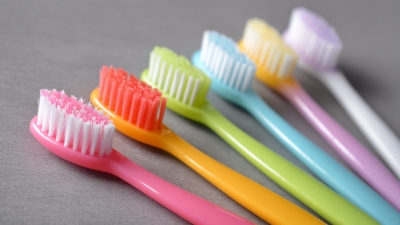
Choosing the right dental brush is essential for maintaining good oral health. A well-designed toothbrush can effectively remove plaque, prevent cavities, and promote gum health. Factors such as bristle type, brush head size, and handle grip can significantly impact your brushing experience. Soft bristles are often recommended for their gentle touch, reducing the risk of gum irritation.
Many individuals overlook their toothbrush. They may stick with the same brush for too long or select one based solely on appearance. A worn-out brush is less effective. Regular replacements every three months are crucial for optimal plaque removal. Consider your personal comfort and brushing technique as well. An ergonomic handle can make a difference in effective cleaning.
Not everyone understands the relationship between a toothbrush style and oral health. Some might choose a medium or hard bristle. However, this may lead to gum recession and enamel wear. It’s worth examining your choice and reflecting on its consequences. A proper dental brush empowers you to take control of your oral hygiene journey.
Impact of Dental Brush Type on Oral Health
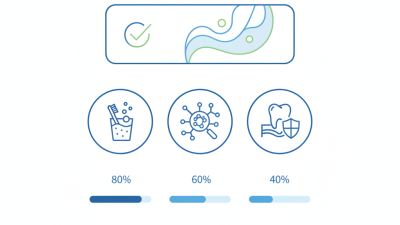
Choosing the right dental brush is crucial for maintaining oral health. This chart shows the impact of different dental brush bristle types on user satisfaction. Soft bristles generally lead to higher satisfaction, while hard bristles are less favored.
Different Types of Dental Brushes and Their Uses
When it comes to oral health, choosing the right dental brush is crucial. There are various types available, each with specific benefits.
Manual brushes are popular and easy to find. They allow you to control the pressure. However, they require good technique to ensure effectiveness.
Electric brushes offer a different approach. Many have timers and pressure sensors. They can clean more thoroughly with less effort. Studies show electric brushes often lead to better plaque removal. For those with limited mobility, these brushes can be a game-changer.
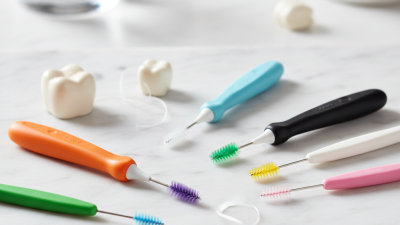
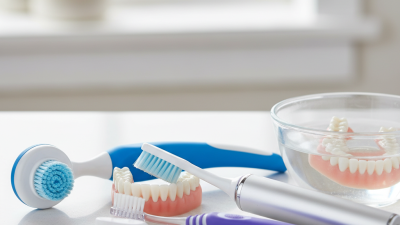
Interdental brushes are also essential for proper cleaning. They fit between teeth better than traditional floss, reaching areas that may be missed. Each type serves a unique purpose. Your routine may need adjustments as you identify what works best. Reflecting on your technique is just as important as the tool itself. Finding the perfect combination can lead to significant improvements in oral health.
Key Features to Look for in a Dental Brush
Choosing the right dental brush is essential for maintaining good oral health. When considering a dental brush, there are several key features to keep in mind. First, bristle type is crucial. Soft bristles are effective in removing plaque without damaging gums. Medium or hard bristles may sound appealing, but they can lead to gum recession and sensitivity. Many people overlook this detail, leading to discomfort over time.
The shape of the brush head matters too. A compact head can reach difficult areas, like the back molars and along the gum line. If the brush is too large, it may miss spots, leaving bacteria behind. An ergonomic handle also plays a role. A comfortable grip can enhance your brushing technique, making it easier to reach all parts of your mouth. Some brushes even feature a non-slip design for better control.
Lastly, consider the frequency of replacement. Many people fail to change their brushes regularly, leading to bacteria build-up. It's recommended to replace your brush every three months or sooner if the bristles are frayed. This simple act can significantly improve your oral hygiene routine and overall health, yet it’s easy to forget in busy routines. Making informed choices about your dental brush can greatly impact your long-term oral health.
How to Properly Use and Maintain Your Dental Brush
Choosing the right dental brush is important, but using it correctly is even more crucial. When you hold your brush, grip it gently. Avoid applying too much pressure; this can harm your gums. A soft-bristled toothbrush is often effective for most people. Make sure to use short, gentle strokes. Focus on one tooth at a time, ensuring you reach every surface.
Proper maintenance is key to your oral health. Rinse your brush under water after each use. Replace your toothbrush every three months, or sooner if the bristles fray. Store it upright to avoid bacterial growth. Many overlook the importance of brushing for a full two minutes. Setting a timer can help ensure you do not rush through your routine.
Be mindful of how your mouth feels after brushing. If you regularly experience discomfort or bleeding, you may need to reevaluate your technique. Listen to your body; it can guide you. Reflect on your daily habits as well—are you brushing at least twice a day? Improving these small practices can lead to significant changes in your dental health.
Why Choose the Right Dental Brush for Your Oral Health? - How to Properly Use and Maintain Your Dental Brush
| Dental Brush Type |
Bristle Hardness |
Recommended Usage |
Replacement Frequency |
| Manual Toothbrush |
Soft |
Twice daily, circular motions |
Every 3 months |
| Electric Toothbrush |
Medium |
Twice daily, follow guide on handle |
Every 3-6 months |
| Interdental Brush |
Soft |
Daily, between teeth |
After 10 uses |
| Tongue Scraper |
N/A |
Daily, gentle scraping |
As needed |
Impact of Dental Brush Selection on Overall Oral Hygiene
Selecting the right dental brush is crucial for maintaining good oral hygiene.
Studies indicate that nearly 70% of adults do not use a brush that is optimal for their dental needs.
A brush that is too hard can damage gums, while a brush that is too soft may not effectively remove plaque.
The American Dental Association suggests a soft-bristled brush for most individuals.
Oral health impacts overall well-being. Correspondingly, research shows that inadequate oral hygiene can lead to systemic diseases.
For example, gum disease has been linked to heart disease and diabetes.
A proper brush can help prevent these conditions by promoting better plaque removal.
Many people overlook the importance of replacing their brushes regularly.
Experts recommend replacing your toothbrush every three months, or sooner if bristles become frayed.
Brushing technique also matters. Studies show that individuals often neglect the back teeth and gum line.
This oversight can lead to cavities and gum issues.
It's essential to brush gently along the gum line in a circular motion.
Many people brush too quickly, which compromises effectiveness.
Taking time to ensure thorough cleaning can result in improved oral health.
Each choice in dental care has a significant impact on long-term health outcomes.