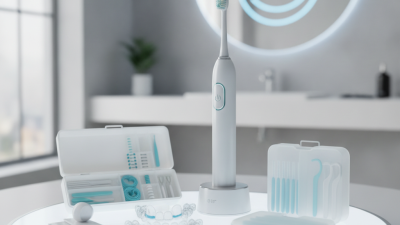
How to Choose the Best Children Toothbrush in 2026?
Choosing a Children Toothbrush in 2026 is not about finding the most colorful package. It is about fit, comfort, and a design your child can use consistently. The World Health Organization’s Global Oral Health Status Report (2022) estimates that 514 million children worldwide have untreated decay in their primary teeth. That figure gives a practical reason to look closely at everyday brushing tools. Small handle. Soft bristles. A compact head that can reach the back teeth.
The American Dental Association advises choosing a brush with soft bristles and a head that fits the child’s mouth. Pediatric dentist and ADA spokesperson Dr. Matthew Messina has expressed the idea simply: “The best toothbrush is the one you use.” That is useful, but it is not the whole decision. A toddler may need a thicker, easier-to-grip handle; an older child may prefer a manual or powered brush. Caregivers should also check age guidance on the packaging and ask a dentist when a child has specific oral-health needs.
This guide will compare bristle softness, brush-head size, handle grip, powered features, durability, and value. It will also consider details you can see at the sink: whether small fingers can hold the handle, whether the head reaches back molars, and whether brushing stays comfortable. No single model suits every child. A neat checklist can still miss what a child actually tolerates, so their comfort matters too.
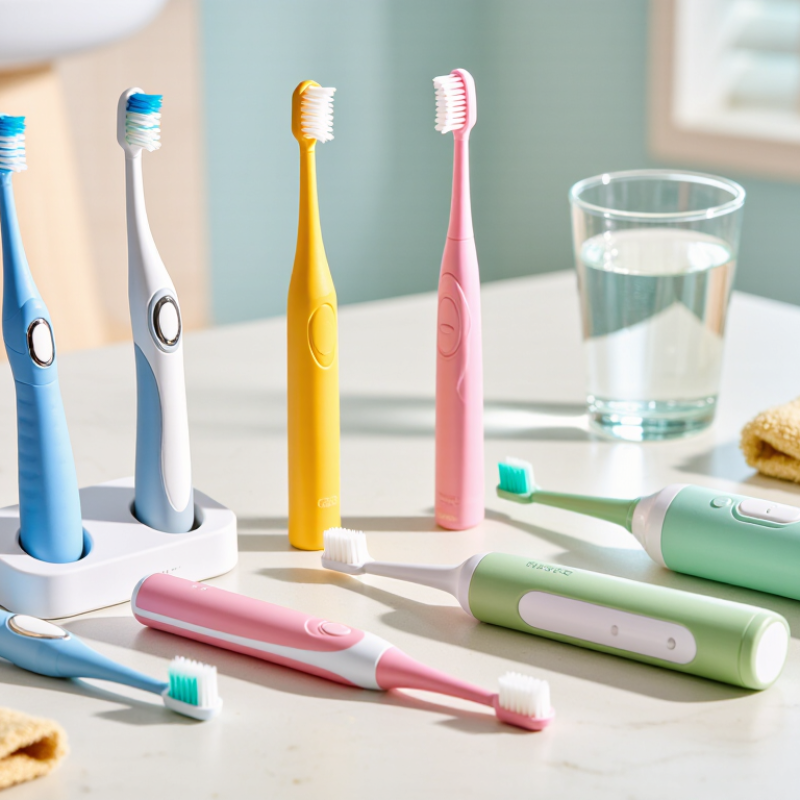
Define the Child’s Age and Needs: ADA Recommends a First Dental Visit by Age 1
How to Choose the Best Children Toothbrush in 2026?
A child’s age and comfort matter more than colorful packaging. The American Dental Association recommends a first dental visit by age one, or within six months after the first tooth appears. That visit can help caregivers learn brushing technique, choose an age-appropriate brush, and spot early concerns. Tiny teeth need a small head and soft bristles. A bulky brush can be hard to guide around a wiggling toddler’s mouth. The CDC’s National Health and Nutrition Examination Survey data for 2011–2016 found that about 23% of children aged 2–5 had experienced cavities in their primary teeth. Early guidance matters.
Tips: For babies and toddlers, use a soft, small-headed toothbrush and supervise each brushing. The ADA advises a smear of fluoride toothpaste for children under three, and a pea-sized amount from ages three to six. Keep the brush comfortable in the child’s hand, but do the brushing yourself until they can clean all tooth surfaces reliably. Ask a dentist to check the fit at the first visit. Small details matter.
A first appointment may feel early when only a few teeth show. Still, it gives families a chance to build a routine before brushing becomes a daily struggle. And if a child resists, that does not mean the brush is wrong; timing, texture, and gentle practice may all play a part.
Choose a Child-Sized Head and Soft Bristles, as Recommended by the ADA
A child’s toothbrush should fit the child’s mouth, not simply look smaller. The American Dental Association recommends soft bristles and a head size that reaches all tooth surfaces comfortably. A child-sized head can make it easier to clean back teeth without pressing hard against the cheeks. Soft bristles also reduce unnecessary irritation along the gumline. Gentle pressure matters. If bristles bend sharply during brushing, the child may be pushing too hard. Replace a brush when its bristles become frayed; the ADA suggests changing toothbrushes every three to four months, or sooner if needed.
The choice is practical, not cosmetic. In its 2019 Oral Health Surveillance Report, the CDC reported that 13.2% of U.S. children aged 5–19 had untreated tooth decay in 2015–2016. A well-fitting brush cannot prevent every cavity, but it can help children clean consistently. Watch how the head moves around the back molars, and check whether your child can hold the handle securely. Some children need a different shape as their mouths grow. And, honestly, a brush that looks perfect on a shelf may feel awkward in a child’s hand. Ask a dental professional to assess fit if brushing remains uncomfortable or difficult.
How to Choose the Best Children’s Toothbrush in 2026
ADA daily brushing recommendation by age group
Choose a toothbrush with a small head that fits your child’s mouth and soft bristles. The ADA recommends brushing twice a day for two minutes; young children should be helped or supervised by an adult.
Source: American Dental Association (ADA) brushing guidance.
Compare Manual and Powered Brushes: ADA Says Either Can Clean Effectively
When comparing a manual and powered children’s toothbrush, the American Dental Association says either can clean effectively when used correctly. The child still needs soft bristles, gentle pressure, and brushing for two minutes, twice daily. Technique matters more than a motor. Comfort matters.
A 2014 Cochrane review of powered toothbrush trials found that rotation-oscillation brushes reduced plaque by 21% and gingivitis by 11% compared with manual brushes after about three months. These results cover mixed populations, not children alone, and do not promise the same benefit for every child. A powered brush may help when a child struggles to brush long enough or coordinate small movements. But its vibration or sound can bother some children; test their comfort before choosing.
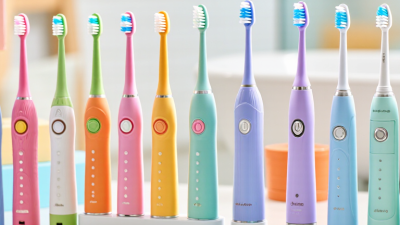
Look at the handle in a child’s hand: can they grip it, reach the back teeth, and follow the brushing routine? A manual brush is light, quiet, and easy to pack. A powered brush may provide a timer, though a timer cannot fix rushed or missed spots. Caregivers should supervise brushing and replace a worn brush head or toothbrush. I would not assume the costlier option is better. Ask a dental professional for guidance if brushing remains difficult or the child has specific oral-health needs.
Match Toothpaste Amount to Age: ADA Advises a Rice-Grain Smear Under Age 3
A child’s toothbrush should have a small head, soft bristles, and a handle they can hold comfortably. But toothpaste amount matters just as much. The American Dental Association advises using a smear about the size of a grain of rice for children younger than three. That tiny dab is enough to spread across the teeth without filling a small mouth with foam. Use fluoride toothpaste, and brush gently twice a day.
A rice-sized smear can be hard to judge. It is easy to squeeze out too much, especially when a child is wiggling beside the sink. Try placing the toothpaste yourself, then let your child hold the brush while you guide the strokes. Keep toothpaste out of reach between brushings. At ages three to six, the ADA advises a pea-sized amount instead. Stay nearby and encourage children to spit it out rather than swallow it. Small details matter. I still find the amount surprisingly easy to overestimate, so checking the brush before it reaches a child’s mouth is a useful habit. Ask a dentist for advice if your child has specific dental needs.
Check Care and Replacement: Brush Twice Daily for 2 Minutes; Replace Every 3–4 Months
How to Choose the Best Children Toothbrush in 2026?
A useful children’s toothbrush should fit comfortably in a small hand and reach the back teeth. Choose soft bristles and a compact head, then make brushing part of the morning and bedtime routine. Brush twice daily for two minutes each time. Two minutes can feel long. A simple timer or familiar song can help children stay on track without turning brushing into a race. Guide the brush gently along the gumline, across the front teeth, and over the chewing surfaces. An adult should supervise young children and help them reach missed spots. Pressing harder does not clean better.
Care matters between brushings, too. Rinse the toothbrush thoroughly, shake off extra water, and store it upright where it can air-dry. Avoid letting brushes touch, especially when several family members share a holder. Replace a child’s toothbrush every three to four months, or sooner if the bristles look bent or frayed. Check it regularly. A worn brush can be easy to overlook when mornings are busy. Even with a steady routine, some nights may be rushed; return to gentle, thorough brushing at the next session instead of scrubbing harder.
How to Choose the Best Children Toothbrush in 2026? - Check Care and Replacement: Brush Twice Daily for 2 Minutes; Replace Every 3–4 Months
| What to Check |
What to Look For |
Practical Guidance |
| Age and mouth size |
A brush head sized to fit the child’s mouth comfortably. |
Choose a child-sized brush that can reach the back teeth without discomfort. Age labels are a useful guide, but fit matters too. |
| Bristles |
Soft bristles with rounded ends. |
Use gentle pressure. Hard brushing or stiff bristles can irritate gums and wear tooth surfaces. |
| Handle and grip |
A handle the child can hold securely, with a shape that allows an adult to guide brushing. |
Comfort and control are more important than decorative features. Adult help or supervision is important while children learn to brush well. |
| Manual or powered |
A comfortable brush the child will use consistently and correctly. |
Both manual and powered toothbrushes can clean teeth effectively when used properly. Choose based on the child’s comfort and brushing needs. |
| Brushing routine |
A routine that covers every tooth surface. |
Brush twice daily for two minutes, including the gumline and the fronts, backs, and chewing surfaces of the teeth. |
| Toothpaste amount |
Use fluoride toothpaste in an age-appropriate amount. |
For children younger than 3, use a smear about the size of a grain of rice. For ages 3–6, use a pea-sized amount. Supervise brushing and encourage spitting out excess toothpaste. |
| After brushing |
A clean brush that can dry between uses. |
Rinse the brush thoroughly with tap water, shake off excess water, and store it upright in an open-air position. Keep brush heads from touching one another. |
| Replacement timing |
Replace the toothbrush or brush head every 3–4 months. |
Replace it sooner if the bristles become frayed or visibly worn, as worn bristles may clean less effectively. |
Note: A parent or caregiver should supervise children’s brushing and consult a dental professional for individual advice.