Top 5 Mint Dental Floss Tips for Healthier Teeth?
Mint Dental Floss is essential for oral hygiene. According to Dr. Emily Carter, a renowned dentist, “Daily flossing with mint dental floss can make a world of difference.” Many people ignore this vital step, thinking brushing alone suffices. However, flossing reaches areas where brushes can't.
The freshness of mint dental floss offers both comfort and effectiveness. The mint flavor encourages users to floss daily. Yet some struggle with proper technique. It's crucial to learn the right way to use dental floss to maximize benefits. Without the right approach, even the best products can fall short.
Understanding the importance of mint dental floss can reshape your dental routine. Regular use contributes to healthier gums and fewer cavities. Reflecting on this, are we truly giving our teeth the care they deserve?
Understanding the Importance of Dental Floss for Oral Health
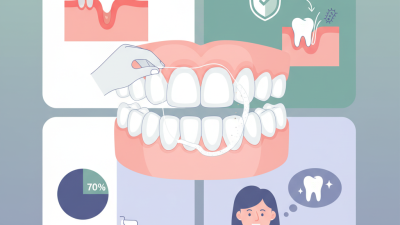
Dental floss is essential for oral health. Many people overlook its importance. Flossing removes food particles and plaque from between teeth. This helps prevent cavities and gum disease. Despite knowing this, a significant number of people do not floss regularly. This neglect can lead to serious dental issues.
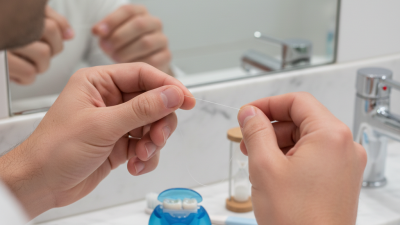
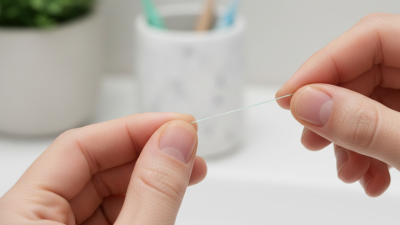
Here are some tips to floss effectively. First, use about 18 inches of floss. This length allows you to control the floss better. Wrap it around your fingers and slide it gently between your teeth. You might find it challenging at first, but practice makes perfect.
Another tip is to floss before brushing your teeth. This strategy allows the fluoride from the toothpaste to reach all areas of your mouth. Flossing can be uncomfortable if you haven't done it regularly. However, over time, your gums will become more accustomed to the sensation. Don't rush. Take your time and ensure you cover every tooth. A little patience goes a long way in achieving healthier teeth.
Choosing the Right Mint Dental Floss for Your Needs
Selecting the right mint dental floss can significantly impact your oral health. Look for options that suit your specific needs, whether you have tight spaces between your teeth or prefer unwaxed for easier sliding. Always check for fluoride content, as it can enhance protection against cavities.
When using mint dental floss, technique matters. Gently wrap the floss around your fingers for better control. Glide the floss between teeth in a sawing motion. Avoid snapping it, as this can cause gum damage. If your gums bleed initially, don't panic. This often indicates inflammation from plaque buildup.
Finding the right texture is crucial. Some prefer waxed floss for ease, while others find unwaxed more effective at cleaning. Consider trying different types to see which feels most comfortable. Remember, your choice of dental floss can greatly affect your brushing routine and overall dental health.
Proper Flossing Techniques for Effective Plaque Removal
Flossing is essential for maintaining oral health. Proper techniques can lead to a significant reduction in plaque buildup. According to the American Dental Association, nearly 80% of plaque is found between teeth. Regular flossing eliminates this hidden threat.
To maximize effectiveness, use about 18 inches of floss. Wrap the ends around your fingers, leaving a few inches between them. Gently slide the floss between your teeth, forming a C-shape around each tooth. Don’t rush—speed can lead to injury or ineffective cleaning. A study published in the Journal of Dental Research revealed that incorrect flossing can cause gum irritation and bleeding.
One common mistake is neglecting the back teeth. Often, people focus only on the front. This oversight can result in cavities. Remember to clean both sides of every tooth. Keep in mind that improving your flossing technique takes time. Reflect on your current method and consider making adjustments for better oral health.
Incorporating Mint Dental Floss into Your Daily Routine
Incorporating mint dental floss into your daily routine can significantly enhance your oral health. Flossing removes plaque and food particles between teeth where a toothbrush can't reach. The fresh mint flavor can make this essential task more enjoyable. Aim to floss at least once a day, preferably before bedtime. This habit can help combat bad breath and leave your mouth feeling clean.
Start by taking about 18 inches of floss. Wrap it around your middle fingers and use your thumbs to guide it. Gently slide the floss between your teeth. Be cautious not to snap it, as this can hurt your gums. If you find this process challenging, consider practicing more. It's okay if you don’t get it perfect every time—consistency is key.
Some people struggle with floss sticking or breaking. If this happens, try adjusting your technique. Change the type or thickness of the floss. Each person’s teeth are unique, and finding the right fit is crucial. Here, patience and practice go a long way to improving your technique and ensuring a healthier smile.
Top 5 Mint Dental Floss Tips for Healthier Teeth
| Tip |
Description |
Frequency |
Benefits |
| Use Mint Floss |
Choose dental floss that has a mint flavor to enhance freshness. |
Every day |
Freshens breath and motivates daily flossing. |
| Proper Technique |
Wrap floss around fingers and gently slide it between teeth. |
Every day |
Prevents gum damage and effectively removes debris. |
| Floss Before Brushing |
Floss first to dislodge particles before brushing. |
Every day |
Enhances the effectiveness of brushing. |
| Use Enough Floss |
Use about 18 inches of floss for optimal reach. |
Every day |
Ensures thorough cleaning between all teeth. |
| Choose the Right Time |
Floss at a time that fits your routine for consistency. |
Daily |
Builds a habit for better dental hygiene. |
Additional Tips for Maintaining Fresh Breath and Healthy Gums
Maintaining fresh breath and healthy gums is vital for overall oral health. Many people overlook the importance of a consistent oral hygiene routine. Research shows that nearly 80% of adults have experienced gum disease at some point. This statistic highlights the need for effective habits.
One key tip is to floss daily. Flossing removes plaque and food particles between teeth, where a toothbrush can't reach. The American Dental Association recommends using about 18 inches of floss. Wrap it around your fingers for better control. Aim to reach below the gumline. This helps in preventing bad breath and gum issues.
Additionally, consider your diet. Foods rich in fiber can help clean teeth naturally. Fruits and vegetables stimulate saliva, which neutralizes acids. Snack on apples or carrots for a refreshing boost. Hydrogenated gums can also be beneficial. Look for sugar-free options to avoid additional plaque buildup. Regular dental check-ups are crucial. Studies show that professional cleanings can reduce gum disease by up to 50%.
Implementing these strategies can make a significant difference. Your oral health is a reflection of your overall well-being. Pay attention to your habits; small changes can lead to big results.
Top 5 Mint Dental Floss Tips for Healthier Teeth