Inquiry
Form loading...

Top 10 Tooth Brush Manufacturers for Global Buyers

Choosing a reliable Tooth Brush manufacturer requires more than comparing prices or browsing polished product catalogs. Global buyers must examine bristle quality, handle materials, production capacity, packaging options, and quality-control records. A supplier may offer attractive samples, yet large-scale production can reveal uneven trimming, loose bristles, or inconsistent colors. These details matter when products reach pharmacies, supermarkets, hotels, and online stores.

Dr. Edmond Hewlett, a dental professor at UCLA, has emphasized, “The best toothbrush is the one that you will use twice a day.” His point keeps product selection practical. A technically advanced Tooth Brush still fails if its handle feels uncomfortable or its bristles irritate users. Manufacturers should therefore balance dental function, ergonomic design, consumer safety, and manufacturing consistency. Buyers should also review factory audits, material declarations, testing procedures, and delivery performance before signing long-term agreements.

This guide introduces ten Tooth Brush manufacturers serving international markets. The comparison considers OEM and private-label capabilities, product variety, customization, sustainability efforts, and communication reliability. Some companies specialize in manual brushes, while others provide bamboo handles, sensitive-bristle designs, children’s ranges, or complete oral-care solutions. Certifications can support trust, but they should not replace independent verification. No ranking is perfect. Market data changes, and supplier performance may vary by order size and region. A buyer should still request current samples, inspect production details, and confirm applicable import requirements. Small checks prevent expensive surprises. That is the part many purchasing teams underestimate.
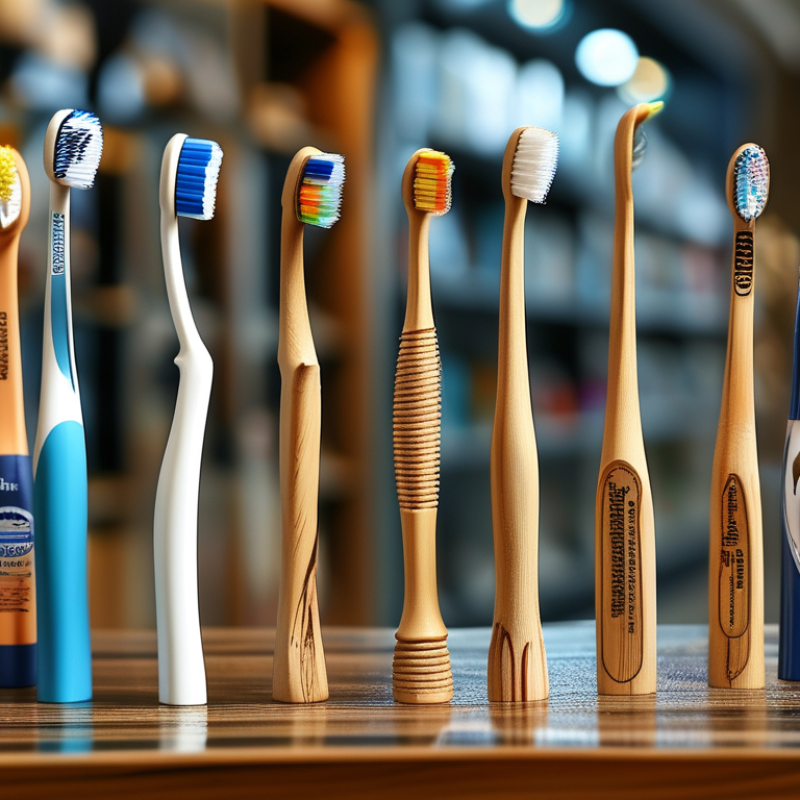
Top 10 Tooth Brush Manufacturers for Global Buyers

Global Market Baseline: 2024 Sales, Growth Rates, and Regional Demand Data

Top 10 Tooth Brush Manufacturers for Global Buyers

The 2024 global toothbrush market is estimated at roughly US$8–9 billion, depending on product scope and research method. Manual toothbrushes still generate the largest sales volume, while electric models deliver faster value growth. Most market forecasts place annual growth between 4% and 6% through 2030. These figures are useful, but not perfectly comparable. Some reports include replacement heads, while others exclude them.

Regional demand shows clear differences. North America favors premium electric brushes, subscription heads, and recyclable packaging. Western Europe shows steady replacement demand, with stronger interest in low-waste materials. Asia-Pacific records the fastest volume expansion, supported by rising household incomes and wider retail access. Latin America and the Middle East offer developing opportunities, especially through pharmacies and online channels. Africa remains price-sensitive, although urban demand is gradually increasing.

A global buyer comparing the top ten manufacturers should examine factory capacity, bristle consistency, testing records, and delivery performance. Production experience matters more than a polished catalog. Request batch samples. Check handle durability after repeated use. Small defects become expensive at scale. Supplier data can also contain optimistic claims, so buyers should compare audited figures, shipment history, and independent quality reports. One weakness remains: regional sales estimates often rely on surveys and distributor disclosures, not complete transaction records. That limitation deserves attention before setting inventory targets.
Top 10 Manufacturer Ranking by Capacity, MOQ, Export Reach, and Certifications

Top 10 Tooth Brush Manufacturers for Global Buyers

A credible Top 10 ranking should measure capacity, MOQ, export reach, and certifications together. Large factories may produce millions of toothbrushes monthly, but their minimum order quantities can exceed a new buyer’s budget. Smaller manufacturers often offer flexible sampling, color changes, and private packaging. Capacity alone is not enough.

Numbers need context. A practical ranking places production capacity first, then evaluates MOQ flexibility and delivery stability. Manufacturers serving more than three regions usually understand customs documents, pallet standards, and language requirements. However, export reach can hide weak local support. Ask for recent shipment records, not only a sales presentation.

Certifications should match the product and destination market. Buyers can request valid quality-management certificates, material declarations, factory audit reports, and laboratory test results. Check certificate numbers, issuing bodies, and expiry dates. Some suppliers provide impressive documents with limited relevance. That deserves careful review. A factory with 200,000 units of monthly capacity may outperform a larger plant when its defect rate is lower and inspections are consistent. Request pre-production samples, carton photos, and a batch inspection plan before placing a substantial order. Mistakes still happen, especially with bristle softness, handle color, and packaging language. A reliable supplier admits these risks and explains how they are controlled.

Product Comparison: Manual, Electric, Sonic, and Sustainable Toothbrush Categories

Top 10 Tooth Brush Manufacturers for Global Buyers

For global buyers, toothbrush selection should match users, budgets, and sustainability goals. The WHO Global Oral Health Status Report 2022 estimates that 3.5 billion people live with oral diseases. That figure makes basic brushing performance more important than fashionable packaging.

Manual toothbrushes remain affordable, lightweight, and easy to distribute. Electric models can support users who struggle with technique or hand movement.

A Cochrane review of 56 trials found powered brushes reduced plaque by 21% and gingivitis by 11% after three months. Sonic brushes may offer a wider cleaning motion, but results still depend on pressure, timing, and daily consistency. Bigger claims need better evidence.

Tips:

Ask manufacturers for bristle specifications, safety testing, replacement-head availability, and material declarations. For sustainable models, check recycled content, packaging weight, and end-of-life instructions. “Eco-friendly” alone proves little. Buyers should also request samples and inspect loose bristles, handle comfort, and battery charging behavior.

A lower unit price may become expensive when replacement parts are unavailable. This detail is often missed. Suppliers should compare ISO-related quality controls, warranty terms, and production audits before placing large orders. The strongest supplier is not always the cheapest, and my first comparison may still overlook regional recycling limits.

Compliance Scorecard: ISO 20126, FDA 21 CFR, CE, and ADA Standards

Top 10 Tooth Brush Manufacturers for Global Buyers

Compliance Scorecard: ISO 20126, FDA 21 CFR, CE, and ADA Standards

For global toothbrush buyers, a compliance scorecard should test evidence, not attractive claims. ISO 20126 covers manual toothbrush requirements and test methods, including durability, bristle retention, and safety-related performance. Ask each manufacturer for current reports, sample identifiers, laboratory competence, and corrective-action records. One clean report is useful. However, it may not represent every production lot. FDA 21 CFR review requires product classification, material safety, labeling, and facility controls appropriate to the United States market. Do not treat FDA language as universal approval. Confirm the exact regulation and submission pathway.

CE deserves careful scoring. An ordinary toothbrush may not need CE marking, while medical-device claims or powered functions can change the analysis. Request the applicable European legal basis, risk assessment, technical file, declaration, and traceability records. Vague declarations should lower the score. For ADA-related evaluation, check documented testing, bristle design, labeling, and independent review under relevant acceptance criteria. Evidence should match the model, packaging, and production site. During a factory visit, I would compare carton codes with retained samples and inspect loose bristles under magnification. Small gaps matter. I once overlooked a packaging revision; the paperwork was correct, but the sample was not. That mistake still shapes my audit checklist.

Top 10 Tooth Brush Manufacturers for Global Buyers - Compliance Scorecard: ISO 20126, FDA 21 CFR, CE, and ADA Standards
Anonymous Supplier Record ISO 20126:2019
Manual Toothbrushes
FDA 21 CFR
U.S. Regulatory Review
CE Applicability
Assessment
ADA Seal
Verification
Quality-System Evidence Evidence Score Buyer Verification Action
Supplier Record 01 Not publicly verified
Request a current conformity or test report.
Product review required
Confirm intended use, claims, materials, and U.S. labeling.
Not automatically applicable
Confirm whether another EU product law triggers CE marking.
Voluntary program
Verify any active ADA Seal authorization for the exact product.
Not disclosed
Request ISO 9001 certificate and audit scope if available.
N/A Obtain product-specific certificates and independent test records.
Supplier Record 02 Not publicly verified
Request test methods and batch traceability.
Product review required
Review polymer, nylon, pigment, and packaging compliance.
Not automatically applicable
Do not treat CE as a general toothbrush quality mark.
Voluntary program
Check the ADA public product listing where applicable.
Not disclosed
Request quality manual, CAPA process, and inspection records.
N/A Confirm factory identity, production site, and certificate validity.
Supplier Record 03 Not publicly verified
Request bristle retention, fatigue, and dimensional test data.
Product review required
Assess whether marketing claims change regulatory obligations.
Not automatically applicable
Request a written EU applicability statement.
Voluntary program
Verify authorization rather than relying on a logo alone.
Not disclosed
Request recent third-party factory audit results.
N/A Match every report to the exact model, materials, and manufacturing site.
Supplier Record 04 Not publicly verified
Request the edition, scope, and laboratory identity.
Product review required
Check applicable FDA regulations based on product claims.
Not automatically applicable
Review EU labeling, packaging, chemical, and consumer-product rules.
Voluntary program
Confirm current status for the specific finished toothbrush.
Not disclosed
Request incoming, in-process, and final inspection procedures.
N/A Require a signed compliance dossier before purchase approval.
Supplier Record 05 Not publicly verified
Request evidence against ISO 20126 test requirements.
Product review required
Review food-contact or other material claims separately if made.
Not automatically applicable
CE status must be based on applicable EU legislation.
Voluntary program
Request proof from the ADA program or authorized supplier.
Not disclosed
Request complaint handling and product recall procedures.
N/A Validate reports through the issuing laboratory or certification body.
Supplier Record 06 Not publicly verified
Request performance testing for the complete assembled product.
Product review required
Confirm U.S. claims, warnings, and labeling responsibilities.
Not automatically applicable
Obtain an EU compliance matrix for the target market.
Voluntary program
Verify exact model and authorization period.
Not disclosed
Request supplier qualification and change-control records.
N/A Use pre-shipment inspection and random sample testing.
Supplier Record 07 Not publicly verified
Request laboratory reports with sample identification.
Product review required
Determine whether the product is an ordinary consumer toothbrush or has medical claims.
Not automatically applicable
CE marking cannot substitute for required product safety documentation.
Voluntary program
Check the relevant ADA acceptance criteria and listing.
Not disclosed
Request calibration records and nonconformance controls.
N/A Confirm product specifications remain unchanged after approval.
Supplier Record 08 Not publicly verified
Request evidence covering handle, head, and bristle performance.
Product review required
Review materials and claims under the applicable U.S. framework.
Not automatically applicable
Confirm importer obligations and applicable EU documentation.
Voluntary program
Request independent confirmation of any claimed Seal.
Not disclosed
Request production records and lot-level traceability.
N/A Approve only after documentary and physical sample verification.
Supplier Record 09 Not publicly verified
Request current reports from a competent testing laboratory.
Product review required
Check all online and printed claims used for the U.S. market.
Not automatically applicable
Assess CE only when a specific EU law requires it.
Voluntary program
Verify the exact product name, model, and authorization status.
Not disclosed
Request internal audit results and corrective-action history.
N/A Include compliance warranties and audit rights in the supply contract.
Supplier Record 10 Not publicly verified
Request a conformity package for the intended export model.
Product review required
Confirm whether any therapeutic or antimicrobial claim is being made.
Not automatically applicable
Request market-specific documentation for each EU destination.
Voluntary program
Verify any ADA-related claim directly with the program owner.
Not disclosed
Request traceability, recall, and post-market complaint procedures.
N/A Complete legal, technical, and quality due diligence before onboarding.
Compliance interpretation: ISO 20126:2019 is a standard for manual toothbrushes and does not, by itself, prove that a particular supplier is certified. FDA 21 CFR requirements depend on the product’s intended use, materials, labeling, and marketing claims; an ordinary toothbrush is not automatically subject to one universal FDA certificate. CE marking is not a general quality mark and is required only when specific applicable European Union legislation mandates it. The ADA Seal of Acceptance is a voluntary program and must be verified for the exact product and current authorization status. “Not publicly verified” means that supplier-specific evidence is not presented in this anonymous table; it does not mean that the supplier fails the requirement.

Buyer Evaluation: Unit Cost, Lead Time, Defect Rate, Warranty, and MOQ Data

For global buyers comparing the top ten toothbrush manufacturers, unit cost is only the opening number. Request pricing at 10,000, 50,000, and 100,000 pieces. Include bristle material, handle resin, packaging, tooling, inspection, and shipping terms. A factory quoting 0.08 dollars less may create higher landed costs through weak packaging or rework. The WHO Global Oral Health Status Report 2022 links oral disease prevention with daily hygiene products, making material safety and consistent performance commercial priorities.

Lead time should show sampling, tooling, production, inspection, and shipment separately. Ask for the last six months of on-time delivery data, not a hopeful estimate. For defect rates, require an agreed inspection plan using ISO 2859-1 sampling procedures. Record critical, major, and minor defects independently. A practical target might be below 1% major defects, but buyers should adjust it after product testing. Warranty terms need written coverage for loose bristles, cracked handles, discoloration, and packaging damage. Vague “quality assurance” wording is not enough.

Tips: Compare MOQ with cash flow, not only price. Ask whether mixed colors share one MOQ. Confirm replacement timing and evidence requirements. WHO data supports regular toothbrush use, yet real-world wear testing is often overlooked. Test bristle retention after repeated brushing. Even careful buyers can miss humidity effects during sea transport. Recheck the assumptions. A perfect spreadsheet cannot repair an unverified sample.