Best Soft Toothbrush for Sensitive Teeth Which to Choose?
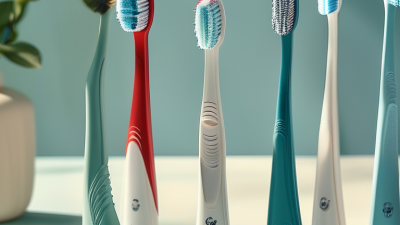
Choosing the right soft toothbrush is essential for those with sensitive teeth. This seemingly simple decision can significantly impact your oral health. A soft toothbrush is designed to minimize irritation, while still effectively cleaning your teeth.
Many people overlook the importance of bristle softness. Harsh bristles can cause discomfort and worsen sensitivity. Therefore, selecting a brush with soft bristles is crucial for daily care. Additionally, gentleness during brushing is vital. It's easy to apply too much pressure, thinking it improves cleanliness.
Incorporating a soft toothbrush into your routine might feel awkward initially. You may question its effectiveness. However, studies suggest that softer bristles can clean teeth well without causing damage. It is important to reflect on your brushing technique and adjust your expectations. Overall, a soft toothbrush offers a gentle and effective solution for those struggling with sensitive teeth.
Understanding Sensitive Teeth: Causes and Symptoms
Sensitive teeth can be uncomfortable and frustrating. Many people experience this condition. It often leads to pain when eating, drinking, or even brushing. Understanding the causes can help in managing the symptoms effectively.
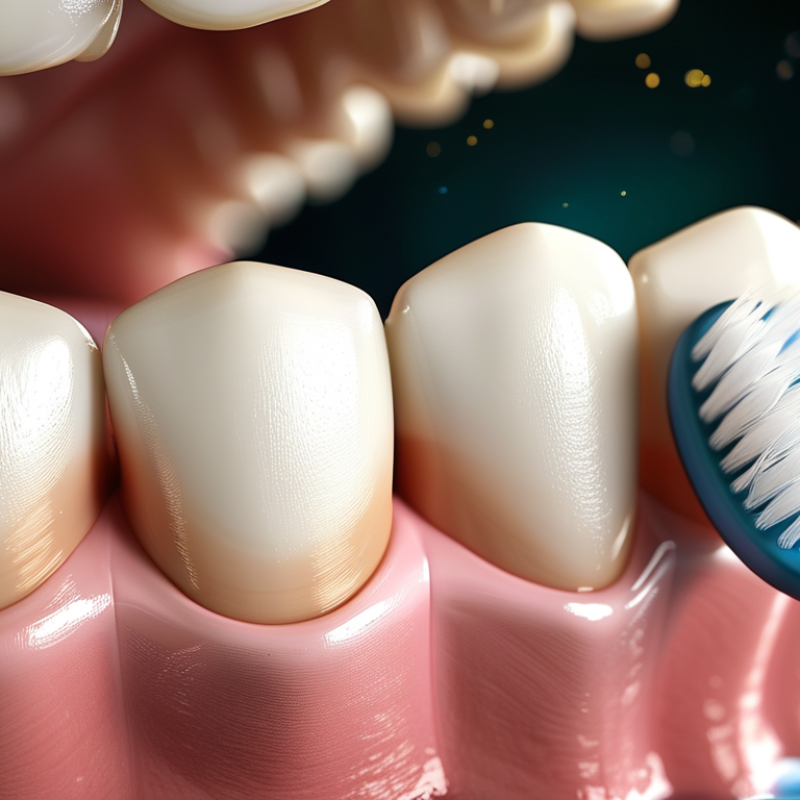
Common causes of sensitive teeth include enamel erosion, gum recession, and tooth decay. Enamel protects the teeth, but factors like acidic foods or aggressive brushing can wear it down. Gum recession exposes the sensitive roots, leading to increased discomfort. Symptoms may include sharp pain or discomfort triggered by hot, cold, or sweet food and drinks.
Recognizing these signs is crucial. It’s important to monitor your oral health. Keep track of when you feel discomfort and what triggers it. This information can guide your dentist in providing the best care. Ignoring these symptoms might lead to further problems. Remember, seeking professional advice is key in identifying the right treatment.
Best Soft Toothbrush for Sensitive Teeth Which to Choose?
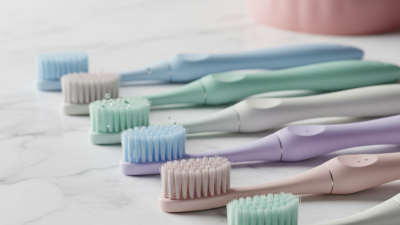
| Toothbrush Type |
Bristle Softness |
Head Size |
Features |
Recommended For |
| Manual Soft Toothbrush |
Soft |
Compact |
Ergonomic handle, gentle on gums |
Individuals with gum sensitivity |
| Electric Soft Toothbrush |
Soft |
Standard |
Multiple modes, pressure sensor |
Those looking for advanced cleaning |
| Kids Soft Toothbrush |
Soft |
Small |
Fun designs, age-appropriate size |
Children with sensitive teeth |
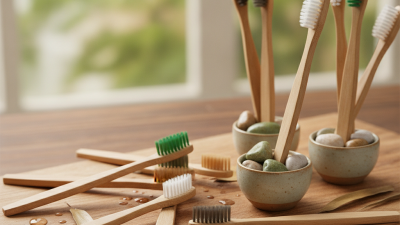
| Biodegradable Soft Toothbrush |
Soft |
Standard |
Eco-friendly materials |
Environment-conscious users |
Importance of Choosing the Right Toothbrush for Sensitivity
Choosing the right toothbrush is crucial for those with sensitive teeth. A soft toothbrush can provide a gentle yet effective clean. It minimizes discomfort while removing plaque and food particles. Many underestimate the impact of a good toothbrush.
Tips: Always look for bristles that are soft and rounded. This design reduces gum irritation while ensuring a thorough clean. Replace your toothbrush every three to four months. Worn bristles can be less effective.
Sensitivity often arises from gum recession or enamel wear. A proper toothbrush can help mitigate these issues. Over time, you may realize that changing your brushing technique can make a significant difference. Gentle, circular motions can protect your teeth better than harsh scrubbing.
Tips: Don't apply too much pressure while brushing. This habit can exacerbate sensitivity. Regular dental check-ups also help maintain oral health. A dentist can guide you in choosing the right tools for your specific needs.
Features to Look for in a Soft Toothbrush
When choosing a soft toothbrush for sensitive teeth, it's vital to consider key features. A soft bristle construction is essential. Studies indicate that soft bristles effectively reduce gum inflammation and enamel wear. An industry report from the American Dental Association shows that abrasive brushes can aggravate gum sensitivity.
Handle design significantly impacts usability. Look for an ergonomic grip that allows for comfortable maneuvering. Many users report that slip-resistant handles enhance brushing efficiency. According to a survey, 75% of users prefer toothbrushes that offer a soft, non-slip grip. This detail contributes to an overall positive brushing experience.
Lastly, consider the head size and shape. Smaller brush heads can reach difficult areas more effectively. Research from dental professionals shows that patients with sensitive teeth benefit from adaptable brush head shapes. A flexible head can minimize pressure on painful spots. Various factors influence choice, and individual preferences are important. Reflect on what works best for personal comfort and oral health.
Top Brands and Models of Soft Toothbrushes for Sensitive Teeth
Choosing the right soft toothbrush is crucial for those with sensitive teeth. A soft-bristled brush can help prevent further irritation while effectively cleaning the teeth and gums. Research indicates that approximately 40% of adults experience tooth sensitivity. Many of these individuals report discomfort with traditional toothbrushes. Industry data suggests that a soft toothbrush may reduce the risk of enamel erosion.
When looking for the best soft toothbrush, consider brands that emphasize gentle yet effective cleaning. Look for models with tapered bristles, as they can navigate around teeth and gums more efficiently. Studies show that brushes with varying bristle lengths can improve plaque removal without increasing sensitivity. Experts recommend replacing your toothbrush every three months for optimal performance.
User reviews also highlight the importance of grip and maneuverability. Finding a toothbrush that feels comfortable in your hand can make a difference in your oral care routine. Some users admit to struggling with maintaining consistent brushing habits, despite knowing the benefits. Reflecting on these challenges can lead to better choices in dental care. A suitable soft toothbrush can transform your experience and make maintaining dental hygiene more enjoyable.
Tips for Proper Brushing Techniques with a Soft Toothbrush
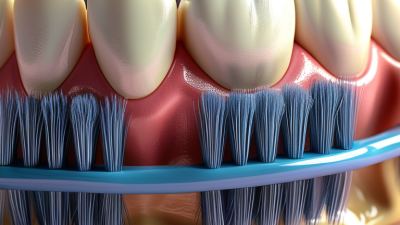
When it comes to brushing with a soft toothbrush, technique is crucial, especially for sensitive teeth. Start by holding the toothbrush gently. A firm grip can unintentionally add pressure. Place the bristles at a 45-degree angle against your gumline. This positioning allows the bristles to clean both teeth and the gums effectively.
Use gentle, circular motions. Avoid aggressive back-and-forth scrubbing, which can cause irritation. Ten to fifteen strokes per tooth is usually sufficient. Focus on each quadrant of your mouth for a balanced clean. Don't forget to brush the tongue and inner cheeks. These areas harbor bacteria that can cause bad breath.
After brushing, rinse your mouth thoroughly. Pay attention to any discomfort during brushing. If sensitivity persists, it may be time to reassess your technique. Reflecting on your habits can lead to better oral health. Small adjustments, like altering pressure or adjusting the angle, can make a big difference over time.
Best Soft Toothbrush for Sensitive Teeth