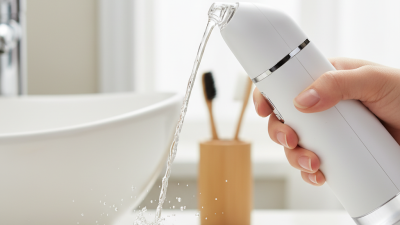
What Is a Water Flosser and How Does It Work?
A water flosser is a handheld or countertop device that cleans between teeth with a narrow stream of water. It draws water from a small reservoir, then a motor sends it through a tip in steady or pulsing bursts. The user guides the tip along the gumline and pauses between teeth, allowing water to rinse away loose food and plaque. It sounds simple. The pressure can usually be adjusted, which matters if gums feel tender or the stream seems too strong.
Water Floss is often described as an easier alternative to string floss, especially for people with braces, bridges, implants, or limited hand movement. It may help clean areas that are awkward to reach with thread, but technique still matters. Aim the stream carefully, follow the device instructions, and use it over a sink; water can splash more than expected. A water flosser does not replace toothbrushing, and it may not remove every kind of buildup on its own. Not a magic fix.
This guide explains how the device works, how to use it comfortably, and what to consider when choosing one. It also looks at where water flossing fits into daily oral care. Individual needs differ, and bleeding or persistent gum discomfort deserves attention from a dental professional. A little trial and adjustment may be needed before the routine feels natural.
What a Water Flosser Is
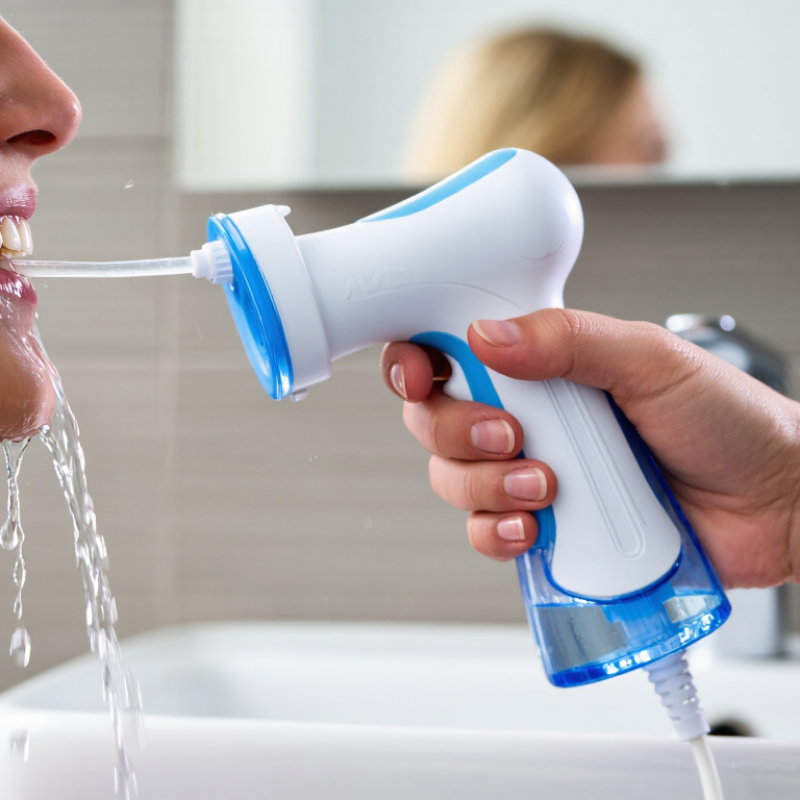
A water flosser is a handheld device that sends a thin, pulsating stream of water between teeth and along the gumline. It usually has a refillable reservoir, a motor, and a narrow tip. Unlike string floss, it does not scrape each tooth surface; instead, water helps dislodge food and disturb soft deposits in hard-to-reach spaces. The sensation can feel like a small shower around your gums. It is not magic.
Evidence is useful, but not perfect. A 2019 Cochrane review examined 35 studies involving 3,929 adults and found that water flossers may reduce gingivitis in the short term when added to toothbrushing. The evidence was low certainty, and researchers found no clear improvement in plaque removal. The review supports cautious expectations, not a promise that one device suits everyone. People with braces or limited hand dexterity may find the water stream easier to manage than thread floss.
Tips: Start on the lowest pressure setting and lean over the sink, keeping your lips slightly closed to limit splashing. Guide the tip slowly along the gumline rather than aiming hard at one spot. Ask a dental professional for advice if your gums bleed persistently or feel sore.
What Is a Water Flosser and How Does It Work?
A water flosser is a powered oral-care device that directs a pulsating stream of water between teeth and along the gumline to help clean areas a toothbrush may miss.
Daily Oral-Care Frequency Guidance
General guidance is to brush twice daily and clean between teeth once daily. A water flosser is one option for daily cleaning between teeth.
Source: American Dental Association (ADA) oral-care recommendations.
The Main Parts of a Water Flosser
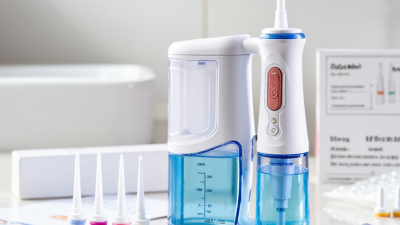
A water flosser moves water through several connected parts. The reservoir holds the water, usually in a removable tank or a built-in chamber. Its size affects how often you need to refill it during cleaning. The pump and motor create the flow, while internal tubing carries water toward the handle. You may hear a soft hum as the pump runs. Small, but essential.
The handle contains a control for starting or stopping the stream, and some models let you adjust pressure there. A nozzle, also called a tip, directs water between teeth and along the gumline. It often rotates, which can help you reach back teeth without twisting your wrist awkwardly. Attachments may differ in shape or purpose, so check the device instructions before switching tips. A charging port or power cord supplies energy, and a base may hold both the unit and its accessories. In use, start with a gentle setting and lean over the sink; water can splash more than expected. These parts work together, but they do not replace brushing or professional dental advice. If the stream feels uncomfortable, lower the pressure or ask a dental professional about technique.
What Is a Water Flosser and How Does It Work? - The Main Parts of a Water Flosser
| Main Part |
What It Does |
How It Works |
Useful Notes |
| Water reservoir |
Holds the water used during cleaning. |
Water flows from the reservoir into the pump when the device is switched on. |
Capacity and placement vary by design. Empty and rinse it regularly to help keep it clean. |
| Pump and motor |
Moves water through the device and creates the stream. |
The motor drives a pump that pressurizes water and sends it toward the handle or nozzle. |
The stream may be delivered in pulses. Pressure settings differ between models. |
| Water tube or internal channel |
Carries water from the reservoir and pump to the nozzle. |
A sealed path directs pressurized water through the handle and out of the tip. |
Portable designs may have shorter internal pathways; countertop designs commonly use a connected hose. |
| Handle |
Lets the user aim and control the water stream. |
The handle channels water to the attached tip; some designs include a pause or flow-control button. |
Not all models have a separate handle. Cordless units often combine the handle and reservoir. |
| Interchangeable tip or nozzle |
Directs the stream toward the teeth and gumline. |
A narrow opening shapes the flow so the user can guide water between teeth and around the gumline. |
Tips should be cleaned and replaced according to the device instructions. Specialized tips are available for some uses. |
| Controls and pressure settings |
Turn the device on or off and adjust the water flow or pressure. |
A switch or dial changes the pump operation or flow setting, depending on the design. |
Starting at a low setting can make the stream easier to control, especially for first-time users. |
| Power source |
Supplies energy to operate the pump and controls. |
Countertop units generally use a wall outlet; cordless units use a rechargeable or replaceable battery. |
Charging and water-resistance requirements vary, so follow the device’s care instructions. |
A water flosser uses a pump to send a directed stream of water through a nozzle. When guided along the gumline and between teeth, the stream helps dislodge food debris and rinse areas that can be difficult to reach with a toothbrush.
How Pressurized Water Cleans Between Teeth
A water flosser sends a narrow, pressurized stream of water around teeth and along the gumline. As the tip moves slowly, the stream can loosen trapped food and disturb soft plaque in spaces a toothbrush may miss. Water does not scrape like string floss; it rinses debris away and may support healthier gums when used consistently. You can feel the pulse against each tooth. It is a small sensation, but technique matters.
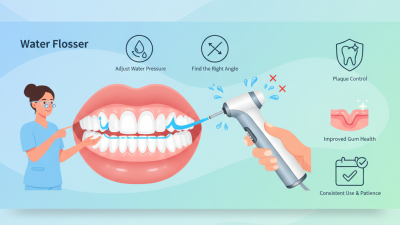
Aim the tip near the gumline, pausing briefly between teeth and directing water along both sides. Keep your lips slightly closed over the sink, since splashing is common at first. Start with a comfortable, low setting, then increase pressure only if it feels gentle. A water flosser can be useful around braces or dental work, but it does not automatically replace brushing or any cleaning method your dentist recommends. Results vary, and the best routine may depend on your mouth.
Tips: Lean over the sink and begin at the back teeth. Move steadily, not hurriedly. If your gums feel sore, lower the pressure and check your technique. Persistent bleeding deserves a dental professional’s advice. This takes practice. It is easy to rush the spaces near the back molars.
How to Use a Water Flosser Step by Step
A water flosser sends a controlled stream of water between teeth and along the gumline. It can help clear food debris and disrupt plaque in places a toothbrush may miss. The technique matters. Aim gently, rather than forcing water into sore or bleeding gums.
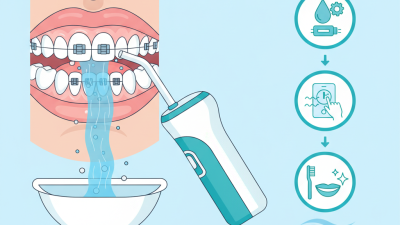
Fill the reservoir with lukewarm water and start on the lowest pressure setting. Lean over the sink, place the tip in your mouth, and close your lips loosely to limit splashing. Turn the device on. Guide the tip along the gumline, pausing briefly between each tooth. Cover both the inner and outer surfaces, including the back teeth. Keep the stream directed toward the gumline, not straight down into the gums. The first few attempts can feel awkward. That’s normal.
A 2019 Cochrane review covering 35 studies and 3,929 participants found that water irrigation may reduce gingivitis in the short term, but the evidence was low certainty; effects on plaque were less clear. Use a water flosser as part of daily cleaning, not as a substitute for brushing. If your gums keep bleeding, or you have dental work or an oral condition, ask a dental professional to check your technique and recommend a suitable pressure.
How Water Flossing Fits into Daily Oral Care
A water flosser cleans between teeth and along the gumline with a directed stream of water. Used over a sink, it can reach around braces, bridges, and other dental work. In a daily routine, use it before or after brushing, following the device instructions and aiming gently along the gumline. The American Dental Association recommends cleaning between teeth once a day; water flossing is one option. That matters.
A 2019 Cochrane review included 35 studies involving 3,929 adults who used different interdental cleaning methods. It found that water irrigation may reduce gingivitis compared with brushing alone after one month, but the evidence was low certainty. So, it is useful to treat a water flosser as a practical aid, not a guaranteed fix or replacement for brushing. Start with a comfortable pressure, pause briefly between teeth, and keep the nozzle close to the gumline without forcing it. The awkward part is consistency. A rushed pass may miss spots, and tender or persistently bleeding gums deserve advice from a dental professional.