Inquiry
Form loading...

How to Choose a Children Toothbrush Supplier in 2026?

Choosing a Children Toothbrush supplier in 2026 is more than comparing unit prices. Product quality affects daily routines, from a toddler’s first grip to a school-age child’s brushing habits. The World Health Organization’s Global Oral Health Status Report 2022 estimates that 514 million children have caries in their primary teeth. That figure makes reliable, age-appropriate oral-care products a practical sourcing priority, not a decorative extra. Small details matter.

A capable supplier should explain bristle softness, head dimensions, handle grip, material composition, and production checks in clear terms. Ask for product specifications, sample units, batch traceability, and evidence supporting any safety or performance claims. The American Dental Association advises replacing toothbrushes every three to four months, or sooner when bristles become frayed. For buyers, this points to an overlooked question: can the supplier maintain consistent quality across repeat orders, not just deliver one polished sample? A nice sample can still mislead.

In 2026, assess communication and documentation alongside cost, lead time, and minimum order quantity. Request samples for different age groups, then inspect the brush head, bristle finish, packaging, and grip with real use in mind. Confirm how the supplier handles production changes and quality concerns. No checklist guarantees a perfect partnership. Still, evidence, transparent answers, and dependable follow-through offer a stronger basis for choosing a Children Toothbrush supplier than price alone.
How to Choose a Children Toothbrush Supplier in 2026?

Define Age-Based Needs: ADA Recommends Brushing for 2 Minutes, Twice Daily

A children’s toothbrush supplier should match brush design to a child’s age, not just offer smaller versions of adult brushes. The American Dental Association recommends brushing for two minutes, twice daily. For young children, a compact head and soft bristles can make it easier to reach small teeth without pressing hard. A broad, non-slip handle may help little hands maintain a steady grip. Small details matter.

As children grow, their mouths and brushing skills change. Older children may manage a longer handle, but they still benefit from soft bristles and a head sized for their mouth. Look for clear age guidance, consistent product dimensions, and documented material and quality checks from the supplier. Ask how changes between production batches are monitored. A colorful design can attract attention, but it cannot replace a comfortable fit.

Two minutes can feel long to a child. A simple timer or a song-length routine may help make the habit less of a struggle. It is not a perfect fix; some children still rush. Suppliers that offer practical guidance for caregivers, rather than promising effortless brushing, are more credible. For children with special dental needs, families should follow advice from their dental professional.
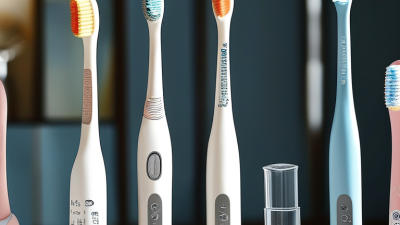
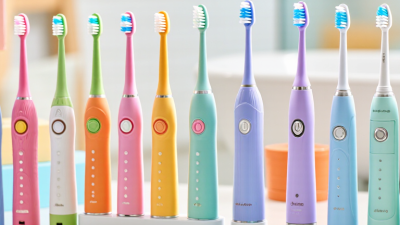
Use ADA’s 3–4-Month Replacement Guidance to Set Brush-Wear Criteria

How to Choose a Children Toothbrush Supplier in 2026?

Use ADA’s 3–4-Month Replacement Guidance to Set Brush-Wear Criteria

The American Dental Association recommends replacing toothbrushes every three to four months, or sooner when bristles become visibly frayed. Treat this interval as a practical benchmark, not a guarantee that every brush will last equally long. Children may press hard, chew on bristles, or brush unevenly. Wear varies.

When assessing a supplier, ask how its brushes perform after repeated brushing, not just how they look when new. Request test details on bristle splaying, filament loss, and handle durability. Check that worn bristles are easy to spot. Small heads and soft bristles can also make brushing more manageable for young children, though fit depends on the child.

A calendar is only part of the picture. A brush may need replacing early. Supplier samples should be checked for loose bristles, rough edges, and changes after regular use. Ask whether wear testing reflects realistic brushing conditions and age groups. ADA guidance does not certify a supplier or set a product’s lifespan. The evidence should stand on its own, and some test conditions may still miss what happens in a busy bathroom.

Verify Manual Toothbrushes Against ISO 20126 Requirements and Test Methods

How to Choose a Children Toothbrush Supplier in 2026? A useful starting point is evidence, not a polished sample. Ask suppliers to identify the edition of ISO 20126 used and provide the test methods and results for the exact manual toothbrush model offered. The standard sets requirements and test methods for manual toothbrushes. Check whether reports cover relevant physical performance, such as bristle-tuft retention, and whether the tested sample matches the handle, head, and bristle design you plan to buy. Small changes matter.

For children’s models, inspect the head and handle in person. Look for smooth edges, securely held tufts, and a grip a small hand can manage. Request the laboratory name, test date, sample identification, and production-lot traceability. A report without these details is hard to verify. WHO’s Global Oral Health Status Report (2022) estimates that 514 million children have caries in primary teeth. That figure does not prove a particular brush prevents decay, but it shows why dependable daily-use products matter.

Check the supplier’s quality records against incoming samples, not just a presentation file. Ask how failed results are handled and whether changes in materials trigger retesting. A paper can look complete. It may still miss the production lot. I would also compare several units from different cartons; uneven tuft trimming is easy to spot under bright light. ISO test evidence is valuable, but it cannot replace clear specifications, consistent production checks, and honest answers.

Assess Child-Specific Fit, Materials, and Age-Graded Product Compliance

A children’s toothbrush should fit a child’s mouth, not merely carry an age label. Check head width, neck length, handle thickness, and grip using samples across the stated age range. A bulky handle may slip in a small, wet hand; an oversized head can make back teeth difficult to reach. WHO’s Global Oral Health Status Report 2022 estimates that 514 million children have caries in their primary teeth. Fit is not a cure, but it can affect daily brushing. Ask suppliers for dimensional specifications and practical user-test records, not just product photographs.

Materials and age grading need equal scrutiny. Request material declarations, traceability records, and relevant chemical-safety test results for the markets where the brush will be sold. For manual toothbrush performance, ask whether testing follows ISO 20126:2022, Dentistry—Manual toothbrushes—General requirements and test methods. Confirm that bristles are soft, securely fixed, and finished without sharp edges. Small details matter. Check whether age bands are supported by handle and head dimensions, and whether packaging carries clear age guidance and supervision advice. Requirements vary by market, so verify local rules with qualified compliance staff. A neat certificate file is reassuring, but it cannot replace examining a real sample. The sample may reveal awkward grips or bristles that feel too stiff. That part is easy to overlook.

How to Choose a Children Toothbrush Supplier in 2026? - Assess Child-Specific Fit, Materials, and Age-Graded Product Compliance

Use this buyer scorecard to compare suppliers. Age bands and product-fit checks below are practical screening criteria, not universal clinical prescriptions or legal requirements. Confirm final specifications with qualified dental, testing, and regulatory professionals in each target market.

Evaluation dimension What to assess Evidence to request from the supplier Warning signs Weight
Age-graded product range Check whether the supplier offers clearly differentiated options for developmental stages, for example: under 3 years, 3–5 years, 6–8 years, and 9–12 years. Confirm that age labels reflect intended use and product design rather than packaging alone. Product specifications for each age grade; rationale for the age range; documented review of head size, handle design, and safety features; user-testing records where available. One identical brush assigned many age ranges without a documented design rationale; age claims that are inconsistent across product, packaging, and instructions. 15%
Child-specific head and handle fit Assess whether the brush head can reach a child’s posterior teeth and whether the handle is easy for the intended user to grip and control. For early ages, examine caregiver-assisted use and any oversized-head or long-handle risks. Dimensioned drawings, head and handle measurements, product samples, intended-use instructions, and results from age-appropriate usability evaluation. No measurable drawings or samples; fit claims based only on adult feedback; no consideration of caregiver-assisted brushing for younger children. 15%
Bristle design and finish Review bristle softness, tuft layout, end rounding or finishing, retention, and consistency. Suitability depends on the complete design and intended use; a “soft” label alone does not establish gentle performance. Bristle material and specification; tuft-retention and finishing test methods; inspection criteria; batch-level quality records; representative finished-product samples. Unspecified bristle grade; visible sharp or uneven ends; no defined checks for loose tufts, contamination, or finished-product consistency. 12%
Materials and chemical compliance Identify materials used in the handle, bristles, coatings, colorants, elastomers, adhesives, and packaging. Assess the materials against the restrictions and product-safety rules applicable to each sales market and intended use. Complete bill of materials; supplier declarations; risk-based chemical test reports from a competent laboratory; material change-control records. Ask the supplier to identify which requirements apply to each destination market. “Non-toxic” or “BPA-free” claims offered without defined scope or evidence; missing material disclosures; reports that do not identify the tested sample or relevant test methods. 14%
Product and age-grade safety Review foreseeable-use risks such as breakage, sharp edges, detachable parts, choking hazards, and misuse. Consider whether the product is marketed as a toothbrush, a toy, or both; applicable obligations can differ by market and claims. Product risk assessment; mechanical and physical test reports relevant to the design; age-grade rationale; warnings and instructions; documented review of applicable market rules. Assumption that toy requirements automatically apply—or do not apply—without reviewing product claims and intended use; no risk assessment or corrective-action process. 14%
Standards and market documentation For manual toothbrushes, ask whether the design and testing have been assessed against the applicable edition of ISO 20126. For powered toothbrushes, ask about relevant requirements, including ISO 20109 where applicable. Standards are not a substitute for checking local law. Applicable standard and edition; test reports identifying model, sample, methods, and results; laboratory accreditation scope where relevant; market-specific compliance documentation. Generic certificates with no model match; reports for a different product or factory; claims of “ISO certified” that do not explain the actual product testing or certification scope. 12%
Quality management and production control Evaluate incoming-material inspection, in-process controls, finished-product checks, lot identification, nonconformance handling, and corrective actions. Confirm whether changes to materials or tooling are controlled. Quality-system documentation; inspection plans; sample batch records; defect and corrective-action procedures; change-control process; recent audit or factory assessment summary. Only a final visual check; no traceable lot records; undocumented substitutions; reluctance to explain how defects are contained and corrected. 10%
Packaging, instructions, and claims Check that age guidance, supervision advice, care instructions, warnings, and product claims are clear and consistent with the design and target markets. Avoid unsupported claims such as preventing disease or guaranteeing a clinical outcome. Final packaging artwork and instructions; translations reviewed for target markets; substantiation for performance or safety claims; packaging and labeling review checklist. Conflicting age labels; vague supervision guidance; medical or environmental claims with no supporting evidence; missing market-specific labeling review. 4%
Traceability and supply continuity Confirm that each production lot can be linked to its materials, production site, inspection records, and shipment. Assess the supplier’s process for recalls, complaints, and material or site changes. Example lot-traceability record; complaint and recall procedure; site and subcontractor disclosure; written notification process for changes. No lot-level identification; undisclosed subcontractors; no documented complaint escalation or product-withdrawal procedure. 4%
Total evaluation weight 100%

Suggested use: score each dimension from 1 (insufficient evidence) to 5 (strong, verifiable evidence), then apply the listed weight. Verify current standard editions and legal obligations for every destination market before approving a product or supplier.

Compare Supplier Audits, Traceability, Capacity, MOQ, and Lead-Time Data

Choosing a children’s toothbrush supplier in 2026 takes more than comparing prices. Review dated audit reports, production-floor checks, and records of corrective actions. A polished certificate alone tells you little. Ask whether past findings were fixed and later verified.

Traceability should connect a finished lot to its bristle batch, handle material, production line, and packing date. Test this with one sample lot. Can the supplier retrieve its records quickly? Test it. Check that lot codes on cartons match the paperwork, not just a spreadsheet. Small mismatches are easy to overlook.

Compare stated capacity with recent output logs, shift patterns, and seasonal commitments. Ask how many production days your order needs, including inspection and packing. Get separate estimates for samples, production, and shipping. Confirm whether the MOQ changes with handle colors or packaging choices; custom details may raise it. No spreadsheet predicts every delay. I would not treat a low MOQ as proof of flexibility, since frequent changeovers can stretch delivery. Ask how delays are reported, and request milestone dates you can check against actual progress.