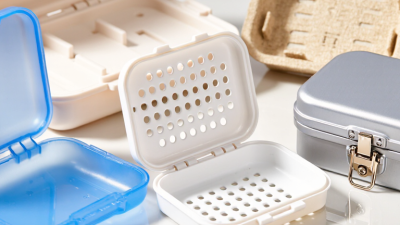
Choosing among the top types of Denture Box starts with a simple question: where will it be used? A case kept beside a bathroom sink faces moisture and splashes. One carried in a handbag needs a secure lid and a compact shape. At home, a larger box may offer room for soaking and easier handling.
The World Health Organization’s Global Oral Health Status Report (2022) estimates that complete tooth loss affects about 7% of people worldwide and 23% of adults aged 60 and older. These figures describe oral health needs, not Denture Box sales or market share. They do, however, show why practical storage deserves attention. A container should protect dentures from dust, reduce accidental contact, and be easy to clean. Small details matter. A slippery lid can be frustrating with wet hands.
This guide compares common options, including ventilated cases, soaking boxes, travel containers, and boxes with built-in cleaning features. Each serves a different routine; no single design suits everyone. Material, drainage, sealing, capacity, and portability all deserve a close look. One limitation: no source material was provided to verify a named Denture Box industry expert’s direct quotation or a specialist market report. Rather than invent either, this introduction relies on clearly identified public-health data and practical product criteria. A careful choice still begins with the user’s daily habits.
Vented denture boxes have small openings that let rinse water drain and air circulate around the appliance. This helps avoid a puddle sitting beneath it after cleaning. It is a practical feature, not a disinfectant. Brush the denture and clean the case regularly; vents cannot remove plaque or kill microbes.
The American College of Prosthodontists estimates that 36 million Americans have no natural teeth, making reliable denture care a daily need for many people. A vented case can be useful beside a sink: rinse the denture, let excess water run off, then place it securely inside. Check that the lid closes and the openings are not blocked by tissue or debris.
Airflow is not always the goal. Some dentures should be kept moist when they are out of the mouth, and care depends on the material and clinician’s instructions. A draining box alone may let an appliance dry. That detail is easy to miss. The 2011 Journal of Prosthodontics review by Felton and colleagues supports daily denture cleaning and overnight removal; it does not suggest that ventilation replaces those habits. Use a soaking solution only as directed, and avoid hot water, which can distort some dentures.
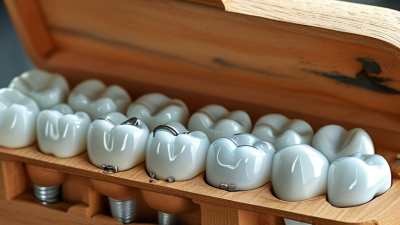
Vented Denture Boxes: Airflow and Drainage for Everyday Storage
This feature comparison shows typical design characteristics, not measured performance. A vented box has airflow openings; a sealed box is designed to contain liquid; and a box with a drainage insert has a path for liquid to drain into a reservoir. Check the individual product design, since features can vary.
A soaking box keeps dentures submerged between uses, but the container itself does not clean them. The American Dental Association recommends removing dentures overnight and cleaning them daily. Brush all surfaces with a soft denture brush and a nonabrasive cleanser, then soak them in water or a denture-cleaning solution. Follow the cleanser’s instructions. Hot water can warp the fit.
The American College of Prosthodontists estimates that 36 million Americans have no natural teeth, while 120 million are missing at least one tooth (Prosthodontic Statistics). These figures underline how many people rely on removable dental appliances. Still, soaking alone is not enough: it may loosen debris, but brushing helps remove plaque. It is easy to assume an overnight soak does the whole job. It doesn’t.
Tips: Choose a box large enough to fully cover the denture, and rinse it after each use. Use cool or lukewarm water, never boiling water. Clean the box regularly, too; residue can collect around its corners. If a denture feels loose or causes sore spots, ask a dental professional to check the fit rather than adjusting it yourself.
Travel denture cases need to do more than fit inside a wash bag. They should hold dentures securely, resist spills, and open easily with damp hands. Look for a tight-locking lid, a durable seal, and enough depth to prevent teeth from rubbing against the case. A removable inner tray can make rinsing simpler. Small detail, big relief.
The need is widespread: the World Health Organization’s 2022 Global Oral Health Status Report estimates that complete tooth loss affects about 350 million people worldwide. For travelers using dentures, a sealed case can help contain soaking water or cleansing solution during a commute. But no portable case should be assumed leakproof; test it upright at home before packing it beside clothes or electronics. The American Dental Association advises keeping dentures moist when they are out of the mouth and avoiding hot water, which can warp them. Use a solution compatible with the denture material, and follow its care instructions. Wipe the case dry before putting it in a bag, then clean it regularly. A case may stop drips, but it cannot replace careful denture cleaning. And honestly, even a good seal can fail if the lid is cross-threaded.
| Denture Box Type | Typical Design | Portability | Moisture Containment | Best Suited For | Practical Considerations |
|---|---|---|---|---|---|
| Basic Ventilated Case | Lightweight case with a perforated lid or drainage openings. | Good for everyday carrying; usually compact and easy to open. | Not designed to hold liquid; ventilation allows moisture to escape. | Short trips or storing dentures when they are clean and dry. | Place it in a separate toiletry bag if carrying wet dentures, as openings can allow liquid to escape. |
| Sealed Travel Case | Rigid case with a fitted lid and a gasket or close-fitting seal. | Very good; a secure closure helps protect contents in a handbag or luggage. | Often leak-resistant when properly closed, but performance varies by design and condition. | Travel when dentures need to be stored with a small amount of water or cleaning solution. | Check the seal before packing. Do not assume the case is fully leakproof unless the maker specifically states and tests this. |
| Soaking Container | Deeper container sized to hold dentures fully submerged in liquid. | Moderate; often bulkier than a basic case. | Designed to contain soaking liquid, though it should be kept upright during transport. | Overnight soaking at home or at a destination. | Follow the denture and cleanser instructions. Empty and rinse the container regularly to maintain hygiene. |
| Compact Clamshell Case | Two-piece hinged shell, typically with a shallow interior and snap closure. | Excellent for pockets, small purses, or a compact travel kit. | Usually limited; many models are not intended to contain liquid. | Brief outings and dry storage of a single denture or dental appliance. | Confirm that the interior fits the appliance without pressure, and avoid using it for liquid storage unless specified. |
| Hard-Shell Protective Case | Rigid outer shell with a fitted interior or removable insert. | Good; offers a sturdy option for luggage and travel bags. | Depends on the closure; a hard shell alone does not make a case leak-resistant. | Reducing the risk of crushing or impact damage while travelling. | Check the fit and closure, and keep wet storage separate unless the case is designed to retain liquid. |
Travel tip: Rinse the case after use, let it dry when appropriate, and store dentures according to the instructions provided by your dental professional and denture manufacturer.
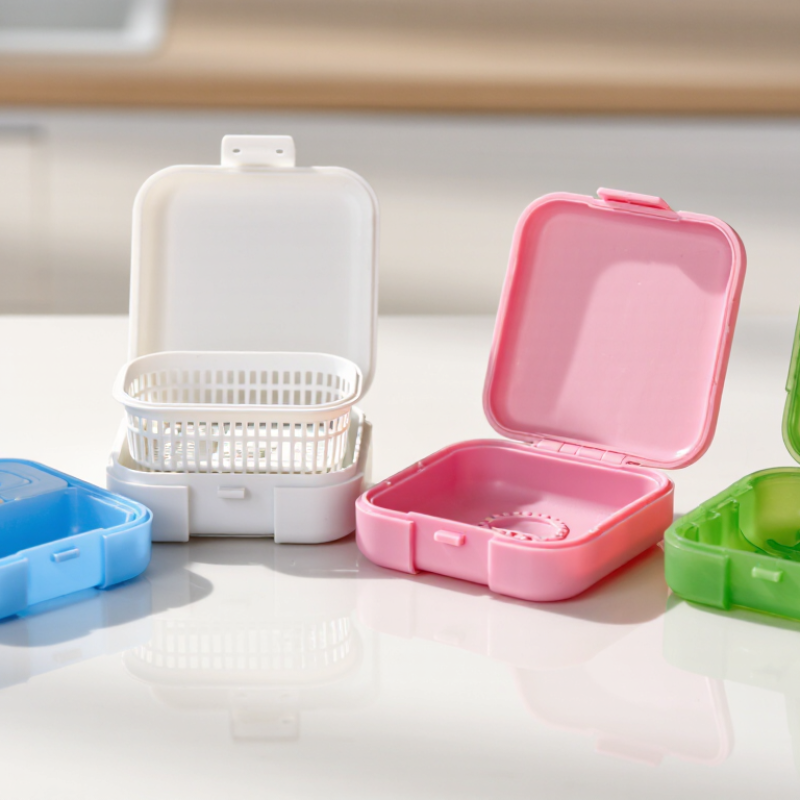
Denture boxes range from simple travel cases to vented storage containers and models designed for ultrasonic cleaning. The last type needs extra checking. A box that looks sturdy may still warp, leak, or interfere with cleaning when exposed to vibration.
Compare the box’s dimensions and material with the cleaner’s instructions. Tank capacity does not automatically tell you how much liquid the box can hold. Check manufacturer data for approved use, fill limits, temperature range, and whether the lid should stay open during a cycle. If those details are missing, contact the manufacturer or choose a clearly documented container. A snug fit matters. So does water movement around the denture. I might be tempted to use a familiar storage case, but appearance alone is weak evidence of compatibility.
Tips: Measure the cleaner’s usable tank space, not just its outside dimensions. Keep the denture fully covered as directed, and avoid stacking items that block circulation. After cleaning, inspect the box for cracks or cloudy patches. Small details count.
CDC reports that about 17% of U.S. adults aged 65 and older are edentulous, meaning they have lost all natural teeth. That figure shows why denture storage is a practical concern, not a niche one. It does not mean every older adult wears dentures, though. A well-chosen box can help protect dentures from dust, accidental drops, and being misplaced on a crowded bathroom counter.
Common options include ventilated cases, closed storage boxes, and travel cases. Ventilation can help dentures dry between uses, while a secure lid is useful in a bag or suitcase. Some boxes can hold soaking solution; check that the case is designed for liquid and follow a dental professional’s cleaning instructions. A box that leaks is a poor choice. Small detail. Big inconvenience.
When choosing, consider the denture’s size, the lid’s grip, and how easily the case can be cleaned. Smooth interiors have fewer awkward corners where residue may collect. A brightly colored case may be easier to spot beside a white sink, but appearance alone does not guarantee protection. A perfect-looking box may still be slippery or too small. Measure the denture, test the closure, and replace a cracked case rather than trusting a loose lid.