Why Choose Silk Dental Floss for Your Business?
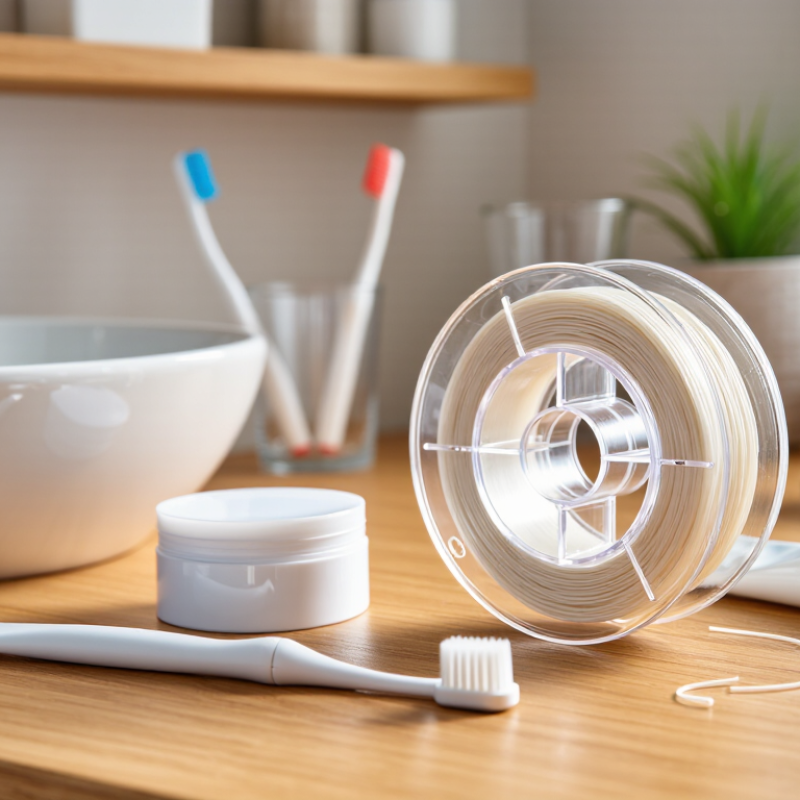
Silk Dental Floss offers businesses a way to stand apart in a category often dominated by nylon and plastic packaging. Its smooth, fine strands can feel gentle between closely spaced teeth, while a compact spool fits neatly beside toothbrushes and travel-size toothpaste. For retailers, dental practices, and private-label brands, those details can shape a product story around comfort, material choice, and thoughtful presentation. But the story needs evidence.
The CDC’s 2018 surveillance report estimated that 42.2% of U.S. adults aged 30 and older had periodontitis. That figure signals a substantial need for consistent oral care, not proof that one floss material prevents disease. The American Dental Association recommends cleaning between teeth daily with an interdental cleaner. ADA spokesperson Dr. Matthew Messina has said, “Flossing is the only way to get the plaque between your teeth off.” Businesses should keep that distinction clear: silk is a material choice, not a substitute for sound dental guidance.
There is room to build trust. Explain strand strength, coating, packaging, and disposal options in plain language. Offer samples, and listen when customers describe fraying or difficulty gripping the thread. Silk is not automatically better for every buyer. That matters. Suppliers should verify product claims and provide consistent specifications before a business puts its name on the box. With careful sourcing and honest positioning, Silk Dental Floss can become a distinctive addition to an oral-care range—though customer comfort must earn the repeat purchase.
What Silk Dental Floss Is and How It Is Made
Silk dental floss is a fine thread made from silk fibers, commonly obtained from silkworm cocoons. Unlike a single smooth filament, the floss is usually built from several fine strands twisted together. This gives it enough structure to pass between teeth while remaining compact. It is still thread, not a rigid dental tool.
Making it starts with preparing and cleaning the silk, then twisting the fibers into yarn. The yarn may receive a thin wax or other coating to help it slide and hold together. It is then wound onto small spools and checked for uneven thickness, loose fibers, and breakage.
Small details count. A rough patch can snag; a coating that is too heavy may feel bulky.
That description sounds tidy, but real batches are not perfectly uniform. Businesses should ask suppliers how they check consistency and what materials are used in coatings.
Silk floss can offer a distinct natural-fiber option, though its feel and strength depend on construction. It is worth evaluating samples before choosing a specification.
How Silk Floss Differs from Other Dental Floss Materials
Silk floss differs from nylon and PTFE floss in both its source and feel. It is made from natural silk fibers, which can create a softly textured strand rather than a uniformly smooth filament. Between closely spaced teeth, that texture may help the floss grip plaque along the tooth surface. The sensation is noticeable. Some users like the gentle, fabric-like feel; others find it less easy to slide through tight contacts. Fit matters.
For businesses, material choice also affects durability and product positioning. Silk strands may fray or break more readily than some synthetic options, especially when pulled sharply or used around rough fillings. That is not a flaw in every use case, but it deserves honest testing. Coatings and waxes can change glide, flavor, and handling, so “silk” alone does not describe the full experience. Ask suppliers for details on fiber construction, coating ingredients, and performance tests, then assess samples with varied tooth spacing. Silk can appeal to customers seeking a natural-fiber alternative, but it is not automatically more effective or suitable for everyone. A dental professional can help users choose floss that works comfortably for their mouths.
Business Benefits of Offering Silk Dental Floss
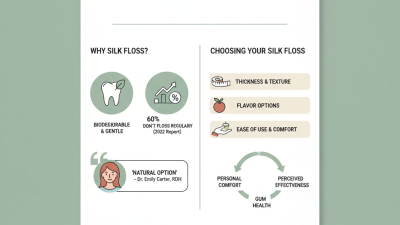
Why Choose Silk Dental Floss for Your Business?
Silk dental floss gives retailers a distinctive material option in a familiar oral-care category. Its fine, soft-feeling strand can suit shoppers seeking an alternative to conventional floss, while small spools fit neatly beside toothbrushes and travel kits. For businesses, that means a compact item for checkout displays, gift sets, or curated natural-care assortments. The opportunity is real, but material choice alone rarely sells.
A CDC analysis of 2011–2014 National Health and Nutrition Examination Survey data found that about one-third of U.S. adults aged 30 and older flossed daily. That points to room for clearer education and useful product choices, not guaranteed demand for silk specifically. Silk’s natural origin may appeal to some customers, but avoid implying that it is automatically more sustainable: coatings, packaging, sourcing, and disposal all matter. Share verified product details, and be transparent where evidence is limited.
Tips: Ask suppliers for strand, coating, and packaging specifications. Test how the floss slides between close-set teeth, and check whether it frays during use. A small sample display can help staff explain the difference without overstating benefits. Keep it practical. Cite the CDC data source on shelf cards or product pages, and review customer feedback before expanding the range.
How to Assess Market Demand and Product Suitability
Before adding silk dental floss to a product range, check whether customers are actively seeking it. Review search trends, customer questions, and sales data for natural-fiber oral care products. Ask retailers what shoppers request, and note whether interest comes from repeat buyers or one-time curiosity. Small tests help. A short survey can reveal preferences for texture, packaging size, and price, but stated interest does not always become a purchase.
Product suitability depends on performance as well as appeal. Examine samples for smoothness, strand consistency, and resistance to fraying during ordinary use. Test the dispenser too: a floss strand that is difficult to cut can frustrate customers. Request clear material and manufacturing information from suppliers, and check that packaging explains use and storage accurately. Do not assume “silk” alone guarantees quality or sustainability; verify specific claims with documentation.
A limited trial can expose practical problems before a larger order. Offer a small quantity through selected retail channels, then track sell-through, returns, and customer comments over several weeks. Compare results with a familiar floss option at a similar price. Not every buyer will care. I would treat early feedback cautiously, since a small sample may reflect one store’s audience rather than broader demand. Watch for complaints about breakage, handling, or unclear instructions, and revise the product or positioning before expanding.