Why Use an Interdental Brush for Better Oral Health?
Why Use an Interdental Brush for Better Oral Health?
A toothbrush cleans visible tooth surfaces, but it may miss the narrow spaces between teeth. Plaque can remain there, especially around crowded teeth, bridges, braces, and implants. An Interdental Brush uses a small, flexible filament head to reach these hidden areas. It can remove food particles and bacterial biofilm before they irritate the gums. The result is practical, not dramatic: cleaner spaces, less trapped food, and easier daily maintenance.
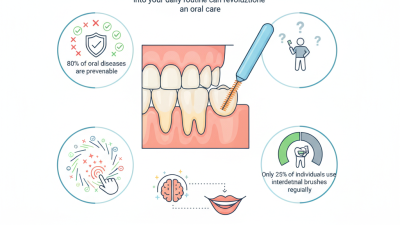
The World Health Organization’s Global Oral Health Status Report 2022 estimates that oral diseases affect nearly 3.5 billion people worldwide. It also identifies untreated dental caries and severe periodontal disease as major global health burdens. These figures show why between-teeth cleaning deserves more attention. Evidence remains measured. A Cochrane review found that interdental brushes may reduce gingivitis and plaque more effectively than toothbrushing alone, although the certainty of evidence was low. That limitation matters. No brush replaces professional examinations, fluoride toothpaste, or consistent brushing.
Fit is important. The brush should slide gently, with the bristles touching both tooth surfaces. Forcing a large size may cause discomfort or gum injury. A dental professional can recommend different sizes for different gaps. Some users notice bleeding at first, but persistent bleeding should not be ignored. It may signal inflammation or an unsuitable technique. Small spaces often need patience. Oral health is rarely improved by one perfect product; it grows through repeatable habits, informed adjustment, and realistic expectations.
What Is an Interdental Brush?
Why Use an Interdental Brush for Better Oral Health?
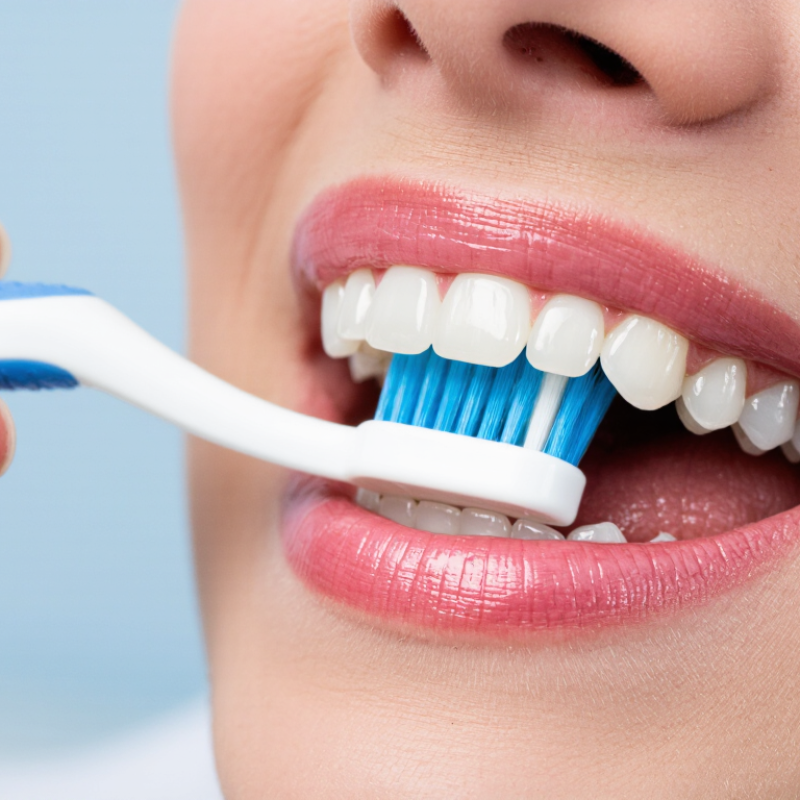
An interdental brush is a small cleaning tool designed for the spaces between teeth. It has fine bristles fixed around a narrow wire or flexible core. Unlike a standard toothbrush, it reaches areas hidden behind contact points and near the gumline.
The WHO Global Oral Health Status Report (2022) estimates that oral diseases affect nearly 3.5 billion people worldwide. That figure is difficult to ignore.
Daily brushing alone may leave plaque in narrow spaces, especially around crowded teeth, bridges, or orthodontic appliances.
Interdental brushes come in different sizes. The correct size should enter with gentle resistance, never force. A dental professional can measure each space because one size rarely fits every gap.
The Cochrane Review on interdental cleaning (2019) reported that interdental brushes may reduce plaque and gingivitis more effectively than toothbrushing alone.
However, the evidence was low certainty. That matters. Strong advice should not pretend that every study is perfect.
Use the brush once daily, moving it slowly between the teeth and along the gum edge. Bent wires, bleeding, or repeated pain signal a problem.
Replace the brush when its bristles become flattened. A common mistake is choosing a large brush for a small gap. Smaller is not always better. The brush should clean the surface without scraping it.
Persistent bleeding deserves professional assessment, because technique may not be the only cause.
How Interdental Brushes Improve Oral Health
Interdental brushes improve oral health by cleaning spaces that ordinary toothbrush bristles often miss. These small brushes can remove trapped food and soft plaque between teeth, especially around crowded areas, bridges, and orthodontic appliances. Cleaner spaces may help reduce gum irritation, bad breath, and the risk of cavities. Dental professionals often recommend choosing a brush that fits gently, without force or pain. A correct fit matters more than using a large brush.
Tips: Use the brush once daily, preferably in the evening. Guide it slowly between your teeth. Do not push it through a tight space. If the brush bends sharply, try a smaller size. Rinse it after use, and replace it when the bristles look worn. A mirror and good lighting can make the back teeth easier to reach.
I sometimes rush this step, especially when tired, and that makes the cleaning less effective. It may take several tries to find the right size for each space. Mild bleeding can happen when gums are inflamed, but persistent bleeding or pain needs professional advice. An interdental brush supports brushing, but it does not replace fluoride toothpaste or regular dental examinations. Small gaps may improve quickly, while crowded areas can remain difficult. That is normal, not a reason to stop.
Choosing the Right Interdental Brush Size and Type
An interdental brush cleans where a toothbrush often misses: the narrow space between teeth. Yet the best brush is not automatically the smallest. Size matters. A correctly fitted brush should enter gently, with bristles touching both tooth surfaces. If you force it, bleeding or soreness may follow, and the wire can scratch sensitive areas. If it slides through without contact, choose a larger diameter. Spaces can differ across one mouth, especially near crowns, bridges, or receding gums.
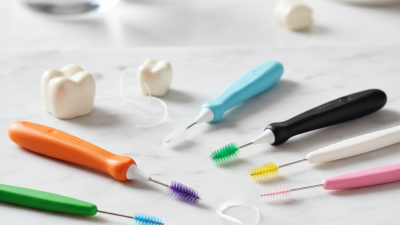
Interdental brushes come in several sizes and designs. A straight handle can suit front teeth, while an angled handle may reach back molars more easily. Choose a tapered brush for uneven gaps, but do not assume one size will work everywhere. For very tight contacts, floss or tape may be more suitable than forcing a brush. People with braces or dental work may need a coated wire or specialist guidance. A dental professional can measure difficult spaces and demonstrate safe movement. This small appointment may prevent guesswork.
Tips: Start with the largest comfortable fit, then test each gap gently. Use a mirror and soft pressure. Replace the brush when bristles bend or the wire looks worn. A little bleeding can occur when inflamed gums are first cleaned, but persistent bleeding deserves professional advice. I once underestimated how different neighboring gaps could feel; treating them identically was not helpful. That is worth remembering.
Why Use an Interdental Brush for Better Oral Health?
Interdental brushes help clean plaque from spaces that a toothbrush may not reach. Choose the smallest brush that fits snugly without force, and use different sizes if your interdental spaces vary.
The ISO passage-hole diameter is a standardized size reference, not the wire diameter. A correctly fitted brush should pass through the space with gentle resistance and should not bend or cause injury.
How to Use an Interdental Brush Step by Step
Why Use an Interdental Brush for Better Oral Health?
The World Health Organization’s Global Oral Health Status Report estimates that oral diseases affect nearly 3.5 billion people worldwide. Plaque often remains between teeth, where a toothbrush cannot reach. An interdental brush can clean these narrow spaces and support healthier gums. Research reviewed by Cochrane found that interdental brushes may reduce plaque and gingivitis more effectively than brushing alone, although the evidence quality remains low.
How to Use an Interdental Brush Step by Step
Choose a brush that fits gently between your teeth. It should slide through with light pressure, not force. If it bends sharply, the size may be wrong. A dental professional can measure difficult spaces, especially around bridges or braces.
Stand near a mirror. Insert the brush slowly at the gumline, keeping it straight. Move it back and forth two or three times. Do not twist aggressively. Clean every gap, including the teeth behind your cheeks. Rinse the brush during use, then wash it afterward. Replace it when the wires bend or the bristles wear down.
Mild bleeding can occur when gums are inflamed. It should improve with consistent cleaning, not worsen. Persistent bleeding needs professional assessment. My first attempts felt awkward, and some spaces needed a smaller brush. That is normal. Technique matters more than speed. Use the brush once daily, preferably before brushing your teeth.